Best American-Made Food & Pantry Staples
From Vermont flour mills to Louisiana hot sauce, American-made pantry staples with transparent sourcing and genuine regional character.
Quick Answer
The best American-made food brands include King Arthur Baking from Norwich, Vermont (since 1790), TABASCO hot sauce from Avery Island, Louisiana (since 1868), and Bob's Red Mill from Milwaukie, Oregon (since 1978).
Last updated: April 2026
Made in USA Food & Beverages: by the numbers
- 870 verified American-made food & beverages products from 165 U.S. brands in our catalog, each checked against factory locations and manufacturer statements.
- Top manufacturing states for these brands: California (11 brands), Oregon (10 brands), Vermont (10 brands).
- U.S. manufacturing employed 12.6 million Americans as of May 2026 (U.S. Bureau of Labor Statistics), and 70% of consumers say buying American-made matters to them (DuraPlas survey, Feb 2025).
Catalog figures recompute at every site build. More data and sources on our American manufacturing statistics page.
Quick Comparison
| Product | Brand | Link |
|---|---|---|
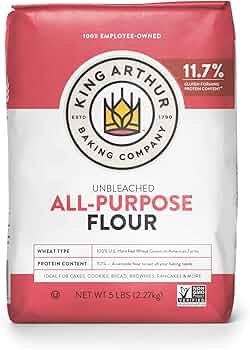
| King Arthur Baking Unbleached All-Purpose Flour 5lb | King Arthur Baking | Shop Now |
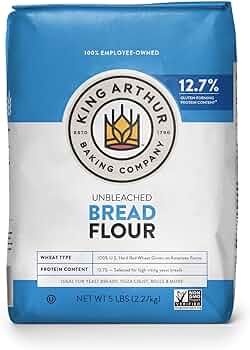
| King Arthur Baking Bread Flour 5lb | King Arthur Baking | Shop Now |
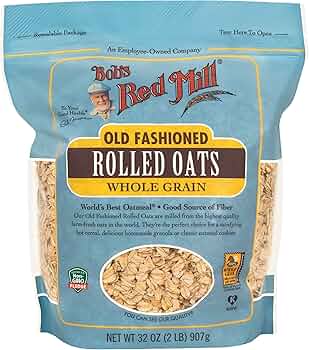
| Bob's Red Mill Old Fashioned Regular Rolled Oats | Bob's Red Mill | Shop Now |
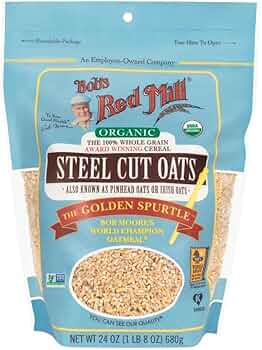
| Bob's Red Mill Organic Steel Cut Oats | Bob's Red Mill | Shop Now |
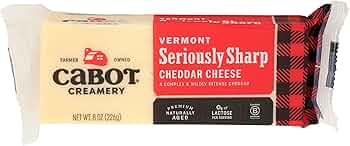
| Cabot Seriously Sharp Cheddar Cheese 8oz | Cabot Creamery | Shop Now |
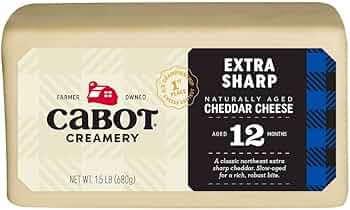
| Cabot Extra Sharp Cheddar Cheese 1.5lb Block | Cabot Creamery | Shop Now |
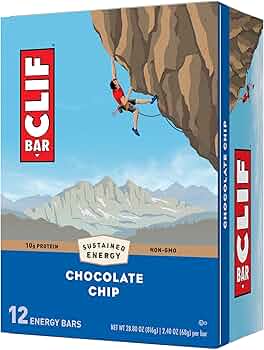
| CLIF BAR Energy Bars Chocolate Chip 12 Count | Clif Bar | Shop Now |
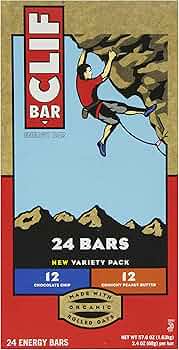
| CLIF BAR Energy Bars Variety Pack 24 Count | Clif Bar | Shop Now |
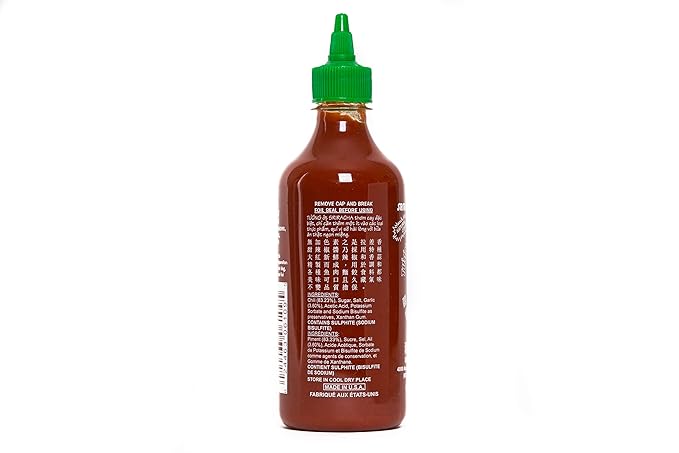
| Huy Fong Sriracha Hot Chili Sauce 17 oz | Huy Fong Foods | Shop Now |
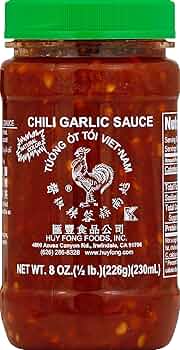
| Huy Fong Chili Garlic Sauce 8 Oz | Huy Fong Foods | Shop Now |
Baking Essentials: King Arthur Baking and Bob's Red Mill
King Arthur Baking Company has operated in Norwich, Vermont since 1790, making it one of the oldest flour companies in the United States. The company is employee-owned — it converted to a worker co-op structure in 2004 — which has practical consequences for product quality: the employees who test recipes and set protein content specifications have a direct stake in the company's reputation. King Arthur flour is generally milled to tighter tolerances than commodity flour brands, meaning the protein content is more consistent bag to bag. This matters most for bread and pizza dough, where protein directly controls gluten development.
Bob's Red Mill mills grain in Milwaukie, Oregon, where founder Bob Moore built the original stone mill in 1978. Bob's is particularly strong in whole grain and specialty flours: their almond flour, oat flour, and gluten-free blends are milled from single-origin ingredients and labeled with the sourcing. The company is also employee-owned, having been given to its workers by Bob Moore in 2010. For buyers who bake with alternative flours, Bob's Red Mill offers more variety and better documentation of sourcing than most competitors.
For all-purpose baking, King Arthur All-Purpose Unbleached is the most reliable American-made choice for consistent results. For specialty grain and gluten-free baking, Bob's Red Mill has built the strongest domestic catalog. The two brands are complementary rather than competitive in most home bakers' pantries.
Hot Sauce and Condiments: TABASCO, Huy Fong, and French's
TABASCO has been made on Avery Island, Louisiana since 1868. The McIlhenny family has maintained continuous production on that property for over 150 years. The process is specific: red peppers mashed with Avery Island salt, fermented in white oak barrels for up to three years, then strained and mixed with distilled vinegar. The aging in oak is not a marketing embellishment — it genuinely changes the flavor profile of the final sauce. TABASCO's flavor is distinctive partly because no other producer ages pepper mash in oak at this scale.
Huy Fong Foods makes Sriracha and Sambal Oelek in Irwindale, California. The company was founded by David Tran, a Vietnamese refugee, in Los Angeles in 1980. The chili pepper supply chain and the Irwindale facility are the defining characteristics of the product — Huy Fong uses a specific cultivar of jalapeño grown in California, and the consistency of the product depends on that relationship. The Sambal Oelek is less well known than the Sriracha but is arguably more versatile as a cooking ingredient.
French's Yellow Mustard is made in Springfield, Missouri, where the company has operated since the 1920s. The formula — a simple blend of yellow mustard seed, vinegar, water, and spices — hasn't changed materially in decades. French's mustard is the American baseline for ballpark-style mustard; if you want that specific flavor profile, this is the product that defined it.
Pancake Mixes and Breakfast: Kodiak Cakes
Kodiak Cakes was founded in Park City, Utah and built its product around whole grain wheat and oat flours combined with whey protein, resulting in a pancake mix with significantly higher protein content than conventional mixes. The original Power Cakes formula contains roughly 14 grams of protein per serving, which appealed first to outdoor recreation enthusiasts and then to a broader market seeking higher-protein breakfast options.
Kodiak's product development has expanded substantially from the original pancake mix — the current lineup includes waffle mixes, instant oatmeal cups, brownie mixes, and granola bars, all built on the same whole grain and protein-fortified philosophy. The mixes are straightforward to use: most require only water, though adding milk and eggs produces a richer result. For buyers who meal prep, the instant oatmeal cups are a particularly practical product.
The milling and mixing takes place in Utah. For buyers who prioritize whole grain ingredients and higher protein content in packaged breakfast foods, Kodiak represents a domestic option that has built its reputation on a nutritional differentiator rather than marketing positioning alone.
Chocolate and Specialty Foods: Ghirardelli and Bone Suckin' Sauce
Ghirardelli Chocolate has operated in San Leandro, California since 1852, making it one of the oldest continuously operating chocolate manufacturers in the United States. Domenico Ghirardelli established the company in San Francisco during the Gold Rush era before the production facility moved to San Leandro. Their chocolate baking bars, chips, and premium squares are made at the San Leandro factory. The bittersweet and semisweet baking chips have a higher cacao percentage than most grocery-store competitors, which produces more pronounced chocolate flavor in baked goods.
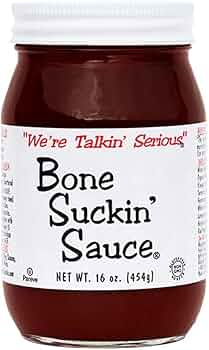
Bone Suckin' Sauce is made by Ford's Foods in Raleigh, North Carolina. The original BBQ sauce recipe uses tomatoes, apples, horseradish, and mustard seed as the flavor base — a less sweet profile than most mass-market BBQ sauces. The sauce is gluten-free and made from recognizable ingredients; the company produces a range from the original to spicy habanero and sweet Southern varieties. For buyers who want a regional Carolina-style sauce with domestic production and clean ingredients, Bone Suckin' Sauce is the practical choice in that category.
American Dairy: Tillamook, Cabot Creamery, and Vermont Creamery
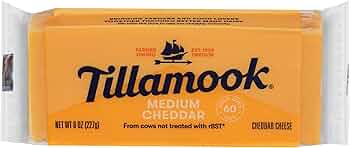
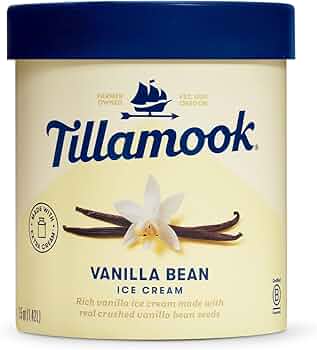
Tillamook County Creamery Association is a dairy cooperative based in Tillamook, Oregon, founded in 1909. The co-op is owned by approximately 80 farm families in the Tillamook area, and the cheese is made at the Tillamook factory from milk produced within that farming community. Tillamook medium and sharp cheddar cheeses are aged longer than commodity cheeses of the same designation — their sharp cheddar runs at least one year — which produces the firmer texture and more developed flavor the brand is known for.
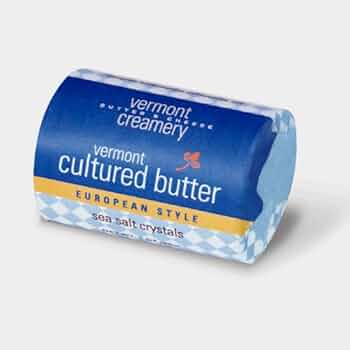
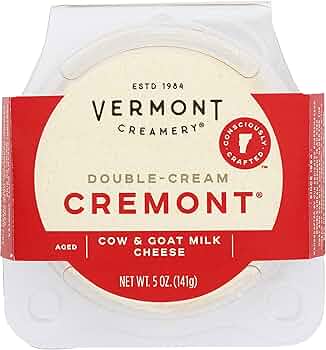
Cabot Creamery is a dairy cooperative owned by farm families across New England and New York, with operations centered in Montpelier, Vermont since 1919. Cabot's Seriously Sharp and Extra Sharp cheddars are among the most recognized domestically produced aged cheddars in the Northeast. The co-op structure means the cheese price reflects the actual cost of production for American dairy farmers rather than multinational supply chain optimization. Vermont Creamery in Websterville, Vermont produces European-style cultured butter and crème fraîche using Vermont milk. Their products are found primarily in specialty grocery stores and are used widely in professional baking and cooking for the higher butterfat content and cultured tang that Vermont Creamery butter delivers.
Specialty Jams, Sauces, and Condiments: Stonewall Kitchen
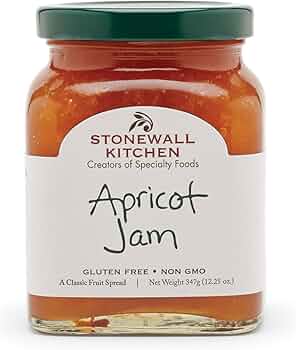
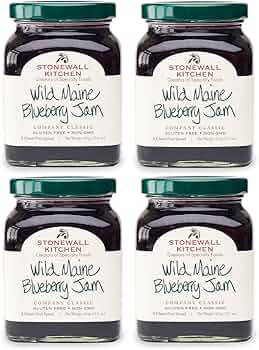
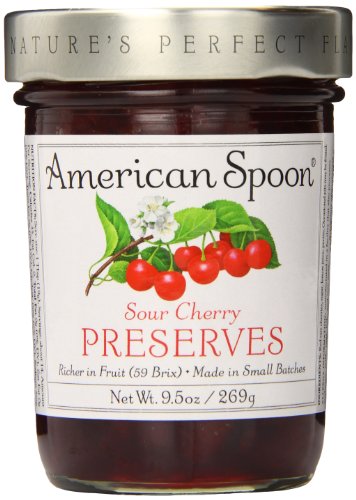
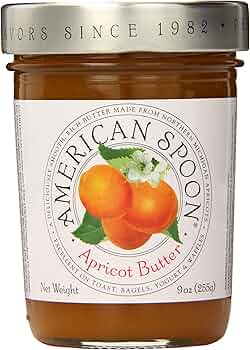
Stonewall Kitchen is based in York, Maine, where the company has manufactured specialty jams, condiments, and cooking sauces since Jonathan King and Jim Stott began selling at farmers' markets in 1991. Their wild blueberry jam uses Maine wild blueberries — a smaller, more intensely flavored variety than cultivated blueberries — and the apricot and bellini jam lines use domestic fruit sourced to flavor profile specifications. The products are made in small batches relative to commodity jam producers, which preserves the fresh-fruit flavor that large-batch processing often cooks out.
Stonewall Kitchen's cooking sauces — including their Coq au Vin and traditional marinara — are designed for home cooks who want restaurant-style flavor without making sauces from scratch. The ingredient lists are short and recognizable: wine, stock, aromatic vegetables, and herbs, without the stabilizers and artificial flavors that extend shelf life in commodity cooking sauces. Their grille sauce collection covers a range from traditional BBQ to more distinctive profiles.
Regional Food Traditions: Autocrat and RAPA Scrapple
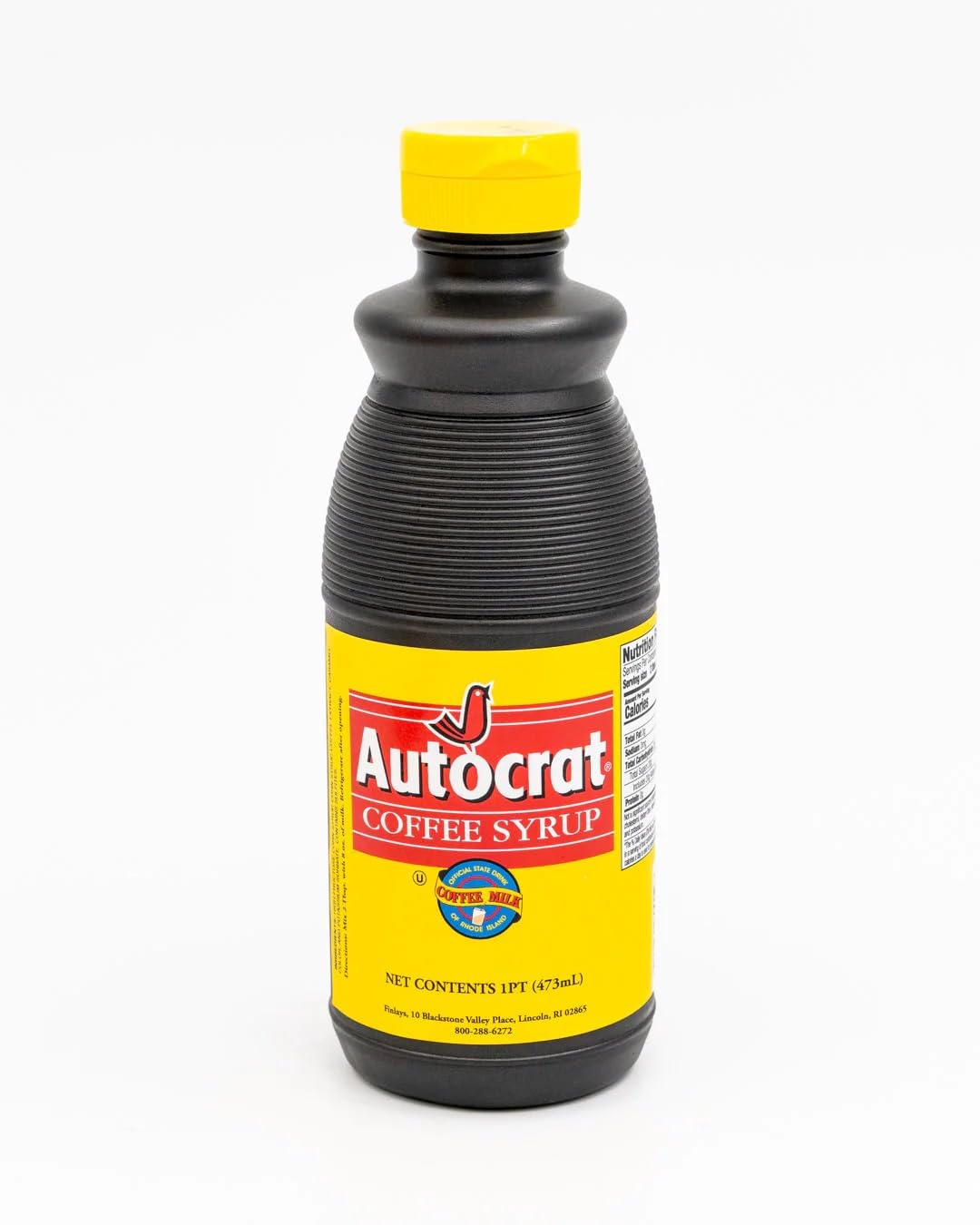
Autocrat has produced coffee syrup in Lincoln, Rhode Island since the 1890s, making it one of the oldest continuously operating American food manufacturers in the specialty condiment category. Coffee syrup is the essential ingredient in Rhode Island coffee milk — cold milk mixed with coffee syrup — which is the official state drink of Rhode Island. The syrup is a sweetened, concentrated coffee extract that mixes readily with cold milk without requiring heat or preparation beyond pouring. A tablespoon per eight-ounce glass produces a traditionally flavored Rhode Island coffee milk.
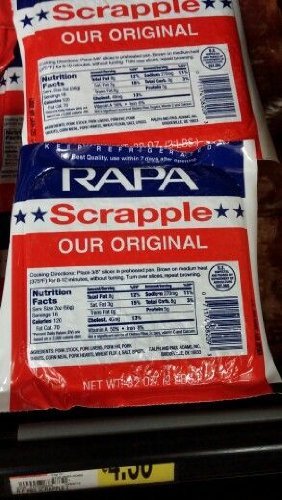
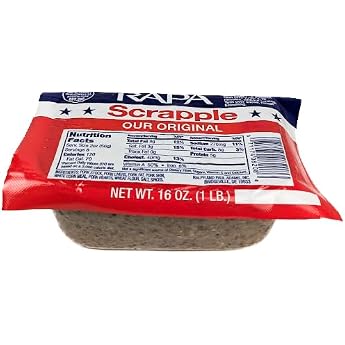
For most Americans outside New England, Autocrat coffee syrup is an introduction to a regional food tradition that predates bottled coffee beverages by decades. The product functions as a dessert topping, a milkshake flavoring, and a coffee flavoring in baking applications beyond the traditional coffee milk. The Lincoln, Rhode Island manufacturing has been continuous through more than a century, and the syrup's flavor profile is defined by that production heritage — it tastes distinctly of the tradition rather than a modern coffee concentrate formulation. RAPA Scrapple is the Delaware counterpart: brothers Ralph and Paul Adams started making scrapple in Bridgeville, Delaware in 1926, and the company's USDA-inspected plant is still in Bridgeville a century later, turning out the original recipe along with bacon and hot-and-spicy versions.
Specialty Seafood, Maple Syrup, and Snacks: Vital Choice, Crown Maple, and Muddy Bites
Vital Choice Wild Seafood sources and packages wild-caught Alaskan salmon, halibut, and other Pacific seafood from Bellingham, Washington. The company was founded by a former Alaskan salmon fisherman who wanted to connect consumers directly to the wild fisheries that produced the highest-quality seafood. Vital Choice's sockeye salmon is harvested from Bristol Bay, Alaska — a fishery certified sustainable by the Marine Stewardship Council — and is frozen at sea within hours of catch. The cold-chain from boat to doorstep maintains the fresh-caught quality that makes the product taste substantially different from thawed commercial salmon. For buyers who want verified wild-caught, domestic-sourced seafood with full chain of custody documentation, Vital Choice is the clearest option in the category.
Crown Maple produces estate-grown organic maple syrup at Madava Farms in Dover Plains, New York. The estate model — growing, tapping, boiling, and bottling on a single New York property — is unusual in the maple industry, where most syrups blend sap from multiple supplier farms. Crown Maple's Grade A dark amber and robust amber syrups are certified organic, kosher, and estate-bottled, with a flavor intensity that reflects single-terroir production rather than blended standardization. The estate produces over 60,000 gallons per season and has won multiple international maple awards since opening in 2012.
Muddy Bites is a Sioux Falls, South Dakota company that makes inverted waffle cones: small, chocolate-filled cone tips that recreate the best bite of an ice cream cone at snack scale. The product is manufactured and packaged in South Dakota using milk chocolate and waffle cone made domestically. Muddy Bites went viral after a social media campaign in 2019 that accurately identified the cone tip as the best part of the ice cream cone experience. The company has since expanded from the original milk chocolate to white chocolate and dark chocolate fills, with seasonal varieties. BobaVida makes fruit popping boba — a category almost entirely imported — at a 50,000-square-foot plant in Mount Vernon, Missouri that opened in 2026.
Browse All Food & Beverages Products
See all 870 verified American-made food & beverages products in our catalog.
Frequently Asked Questions
What makes King Arthur flour different from store-brand flour?
King Arthur mills their flour to tighter protein content specifications than most commodity flour brands. Their All-Purpose flour runs at 11.7% protein, slightly higher than many competitors, which produces more reliable gluten development in bread and pizza dough. The consistency is the main advantage — bag to bag, the protein content is more uniform.
Is TABASCO really aged in oak barrels?
Yes. The classic TABASCO Original Red Sauce is made from pepper mash aged in white oak barrels for up to three years on Avery Island, Louisiana before being strained and blended with vinegar. The aging is a genuine part of the process that contributes to the flavor profile, not a marketing claim.
Where is Huy Fong Sriracha made?
Huy Fong Sriracha is made in Irwindale, California. The company uses California-grown jalapeños sourced from a specific growing region in the Central Valley, and the manufacturing facility has been in Irwindale since the early 1990s.
Is Tillamook cheese actually made in Oregon?
Yes. Tillamook cheese is made at the Tillamook factory on the Oregon coast, using milk from the co-op's member farms in the Tillamook area. The cooperative structure means the dairy farmers own the creamery. The visitor center and factory in Tillamook, Oregon is one of the most visited attractions on the Oregon coast.
What makes Ghirardelli chocolate better for baking?
Ghirardelli baking chips and bars have a higher cacao percentage than most grocery-store alternatives — their bittersweet chips run at 60% cacao versus the 45-50% typical of commodity baking chips. Higher cacao content means more intense chocolate flavor and less sugar, which gives bakers more control over sweetness in finished baked goods.