Best American-Made Cookware & Kitchen Products
Cast iron, stainless steel, glass bakeware, and flatware made in the USA — built to last a lifetime.
Quick Answer
The best American-made cookware includes Lodge Cast Iron skillets from South Pittsburg, Tennessee (since 1896), All-Clad stainless steel from Canonsburg, Pennsylvania (since 1971), and Nordic Ware bakeware from Minneapolis, Minnesota (since 1946).
Last updated: April 2026
Made in USA Home & Kitchen: by the numbers
- 776 verified American-made home & kitchen products from 130 U.S. brands in our catalog, each checked against factory locations and manufacturer statements.
- Top manufacturing states for these brands: Ohio (14 brands), California (11 brands), Wisconsin (9 brands).
- U.S. manufacturing employed 12.6 million Americans as of May 2026 (U.S. Bureau of Labor Statistics), and 70% of consumers say buying American-made matters to them (DuraPlas survey, Feb 2025).
Catalog figures recompute at every site build. More data and sources on our American manufacturing statistics page.
Quick Comparison
| Product | Brand | Link |
|---|---|---|
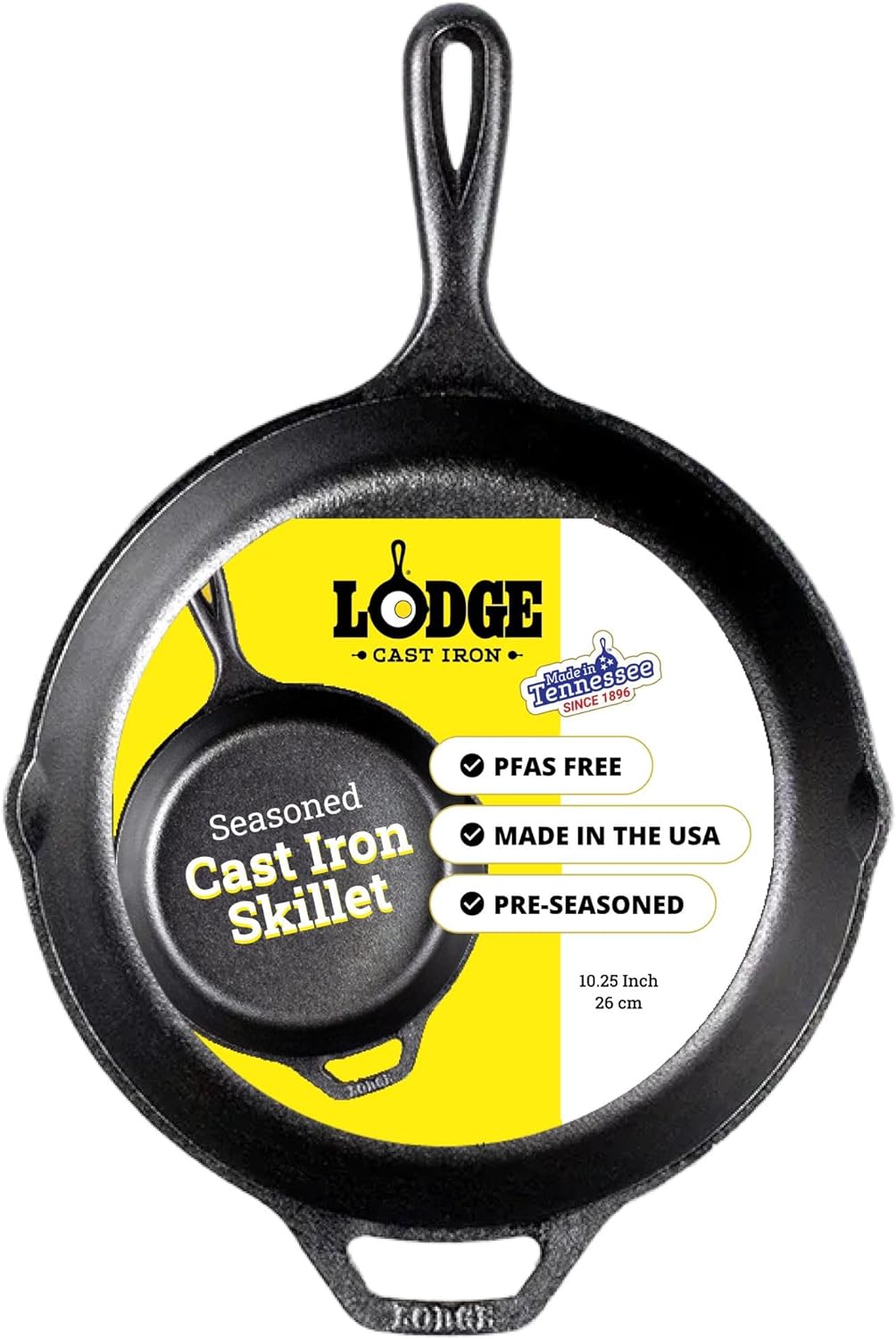
| Lodge 10.25 Inch Cast Iron Skillet | Lodge Cast Iron | Shop Now |
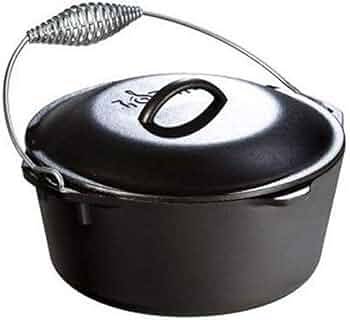
| Lodge 5-Quart Cast Iron Dutch Oven | Lodge Cast Iron | Shop Now |
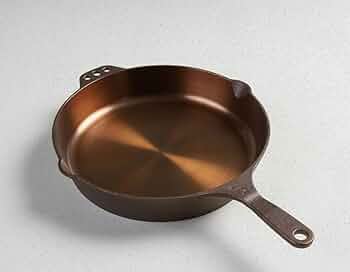
| Smithey 12-Inch Cast Iron Skillet Polished Made in USA | Smithey Ironware Company | Shop Now |
| Smithey 12-Inch Cast Iron Skillet | Smithey Ironware Company | Shop Now |
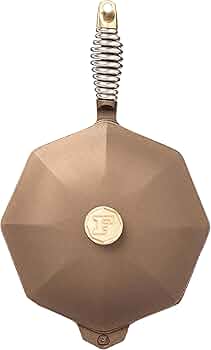
| FINEX 10-Inch Cast Iron Skillet with Lid | FINEX | Shop Now |
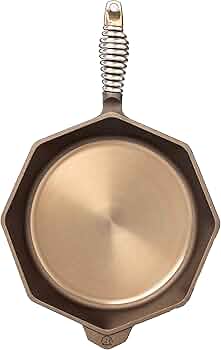
| FINEX 12-Inch Cast Iron Skillet | FINEX | Shop Now |
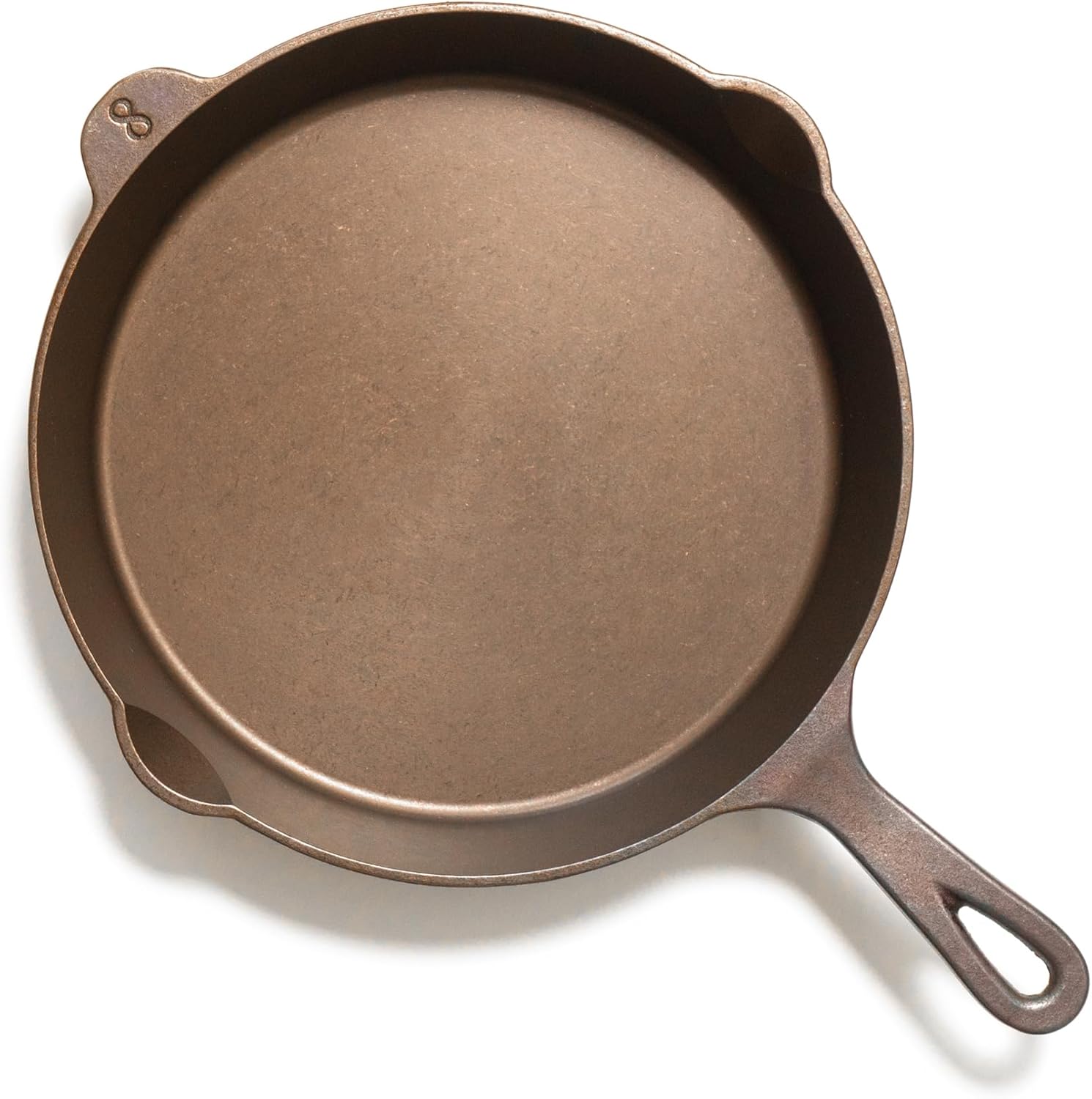
| Lancaster Cast Iron No. 8 Skillet | Lancaster Cast Iron | Shop Now |
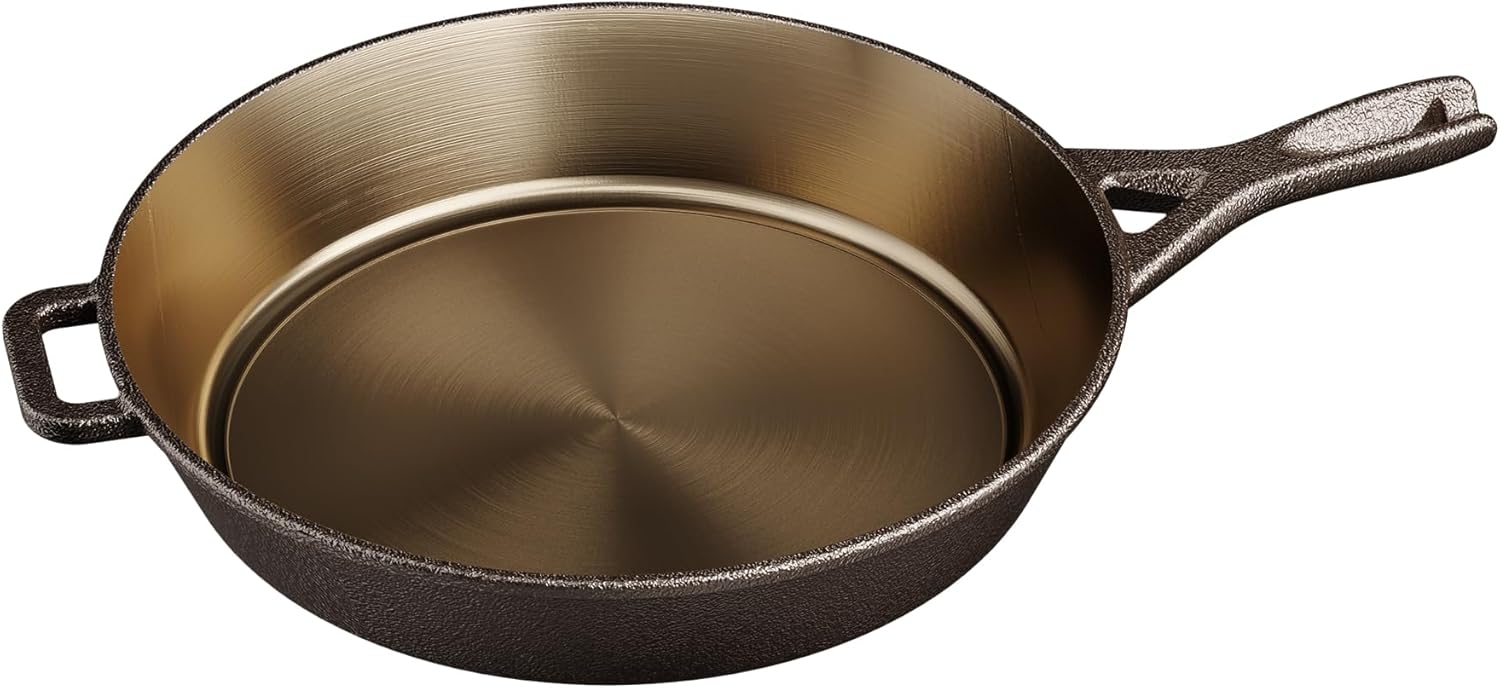
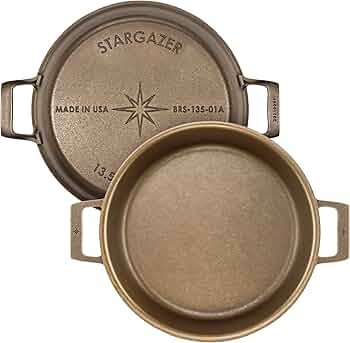
| Stargazer Cast Iron 13.5-Inch Braiser Seasoned | Stargazer Cast Iron | Shop Now |
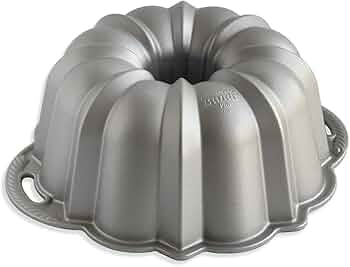
| Nordic Ware Original Platinum Collection Bundt Pan | Nordic Ware | Shop Now |
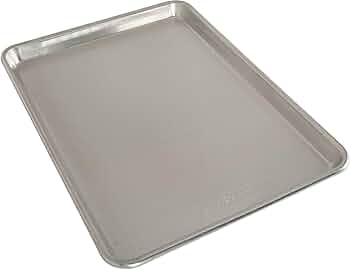
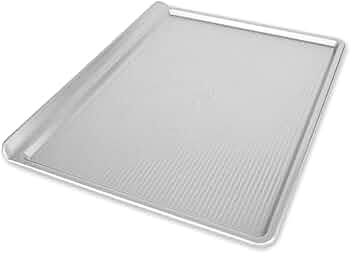
| Nordic Ware Natural Aluminum Half Sheet Pan | Nordic Ware | Shop Now |
Cast Iron: Lodge and the American Foundry Tradition
Lodge Cast Iron has been pouring iron in South Pittsburg, Tennessee since 1896, making it one of the oldest continuously operating cookware manufacturers in the country. Every skillet and Dutch oven comes pre-seasoned with 100% vegetable oil and leaves the foundry ready to cook. The casting process — molten iron poured into sand molds, ground smooth, and seasoned in large ovens — hasn't changed fundamentally in over a century, and that's exactly the point.
Cast iron rewards patience. A Lodge skillet purchased today will outlast your kitchen if you give it basic care: dry it after washing, rub it lightly with oil, and store it somewhere dry. The more you cook with it, the better the seasoning gets. Lodge's Blacklock line adds triple-seasoning and a lighter profile for cooks who want cast iron performance without the heft of traditional pieces.
For buyers choosing between Lodge's standard and Blacklock lines: the standard skillets cost roughly half the price and perform identically for most cooking tasks. Blacklock is worth it if you find conventional cast iron heavy for everyday use or frequently cook acidic dishes where extra seasoning depth pays dividends.
Stainless Steel and Bakeware: All-Clad, Heritage Steel, and Nordic Ware
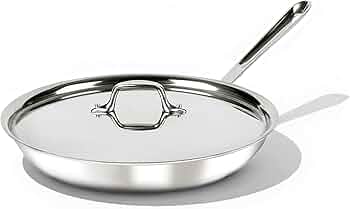
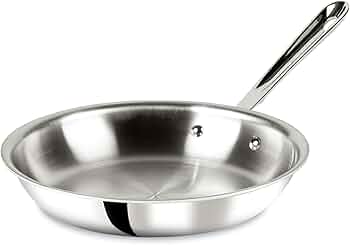
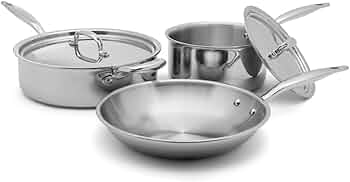
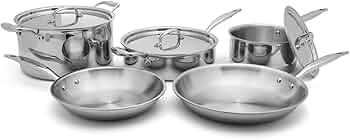
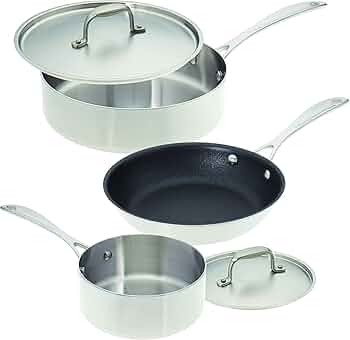
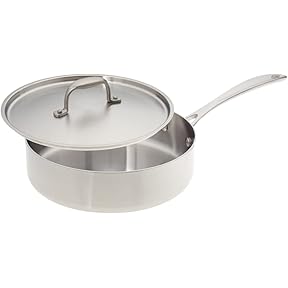
All-Clad has manufactured bonded stainless cookware in Canonsburg, Pennsylvania since 1971. Their D3 line — three layers of stainless steel bonded around an aluminum core — runs the full length of each pan, not just the base. This full-clad construction means even heating from edge to edge, which matters more than most buyers realize when you're searing or making pan sauces. Canonsburg still stamps, forms, and polishes the pans by hand; the workforce and the process are genuinely Pennsylvanian.
Heritage Steel, made in Clarksville, Tennessee, offers a compelling alternative for buyers who want American stainless without All-Clad pricing. Their pans use 5-ply construction with a titanium-reinforced interior, and they're designed with slightly more aggressive flared rims that make pouring cleaner. If you're outfitting a kitchen from scratch, mixing Heritage Steel for everyday pans with one or two All-Clad pieces for searing or braising is a sensible approach.
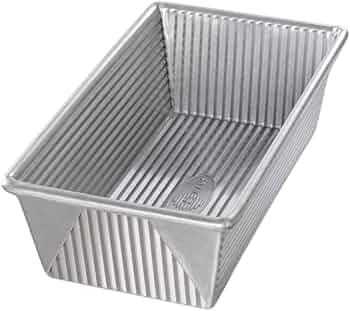
Nordic Ware has cast aluminum bakeware in Minneapolis, Minnesota since 1946. Their Bundt pans are iconic — the original design was licensed from a group of Midwestern homemakers in 1950 — and the current catalog includes everything from layer cake pans to half-sheet trays. Nordic Ware aluminum conducts heat exceptionally well, browning edges evenly without the hot-spot problems that plague cheap imported bakeware.
Glass, Dinnerware, and Flatware: Pyrex, Anchor Hocking, Fiesta, and Liberty Tabletop
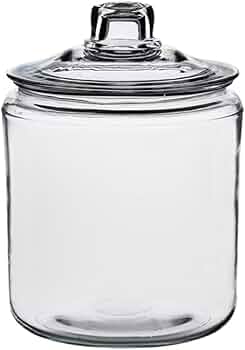
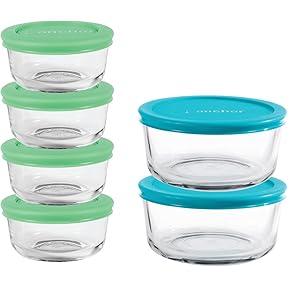
Pyrex glass bakeware is made in Charleroi, Pennsylvania, a town whose glass industry dates to the nineteenth century. The borosilicate formula used in laboratory Pyrex was replaced decades ago for consumer bakeware with tempered soda-lime glass, which is less resistant to thermal shock but cheaper to produce at scale. The practical implication: don't take a Pyrex dish from a hot oven and set it on a cold wet countertop. Within those limits, it's excellent, durable bakeware. Anchor Hocking, made in Lancaster, Ohio, offers a comparable tempered-glass product and is particularly strong on mixing bowls and storage containers.
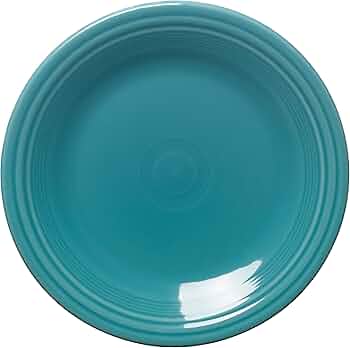
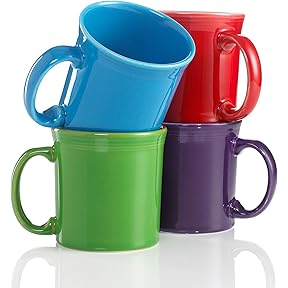
Fiesta dinnerware has been produced in Newell, West Virginia since 1936. The signature thick-walled vitrified china is fired at high temperatures that make it genuinely chip-resistant, and the glaze colors — now numbering in the dozens — are lead-free and fired into the clay rather than applied as a surface coating. A Fiesta plate purchased in 1936 and a Fiesta plate purchased this year can be stacked together; the dimensions haven't changed.
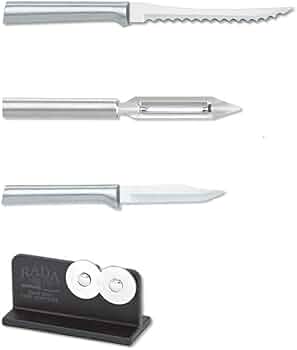
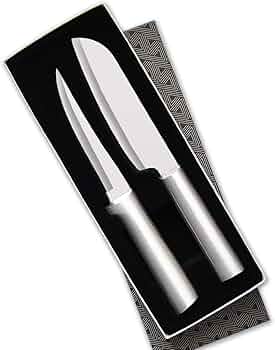
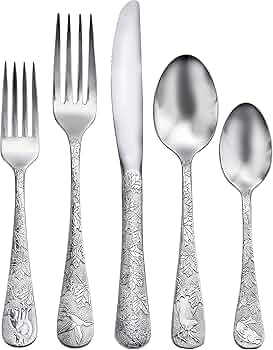
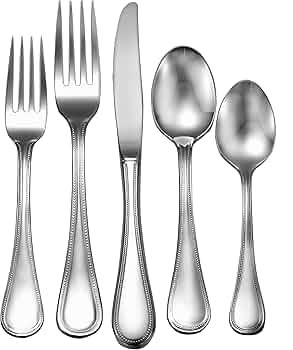
Liberty Tabletop makes flatware in Sherrill, New York, the last silverware-producing city in the United States. Their stainless flatware is forged and finished in what was once the heart of American silverware manufacturing. The patterns are understated and well-weighted; this is everyday flatware designed to be used, not displayed. Rada Cutlery, made in Waverly, Iowa, rounds out the kitchen cutlery category — their knives use aluminum handles made from recycled aircraft aluminum and are a frequent fundraiser item because the price-to-quality ratio is genuinely hard to beat.
Blenders, Cutting Boards, and Drinkware
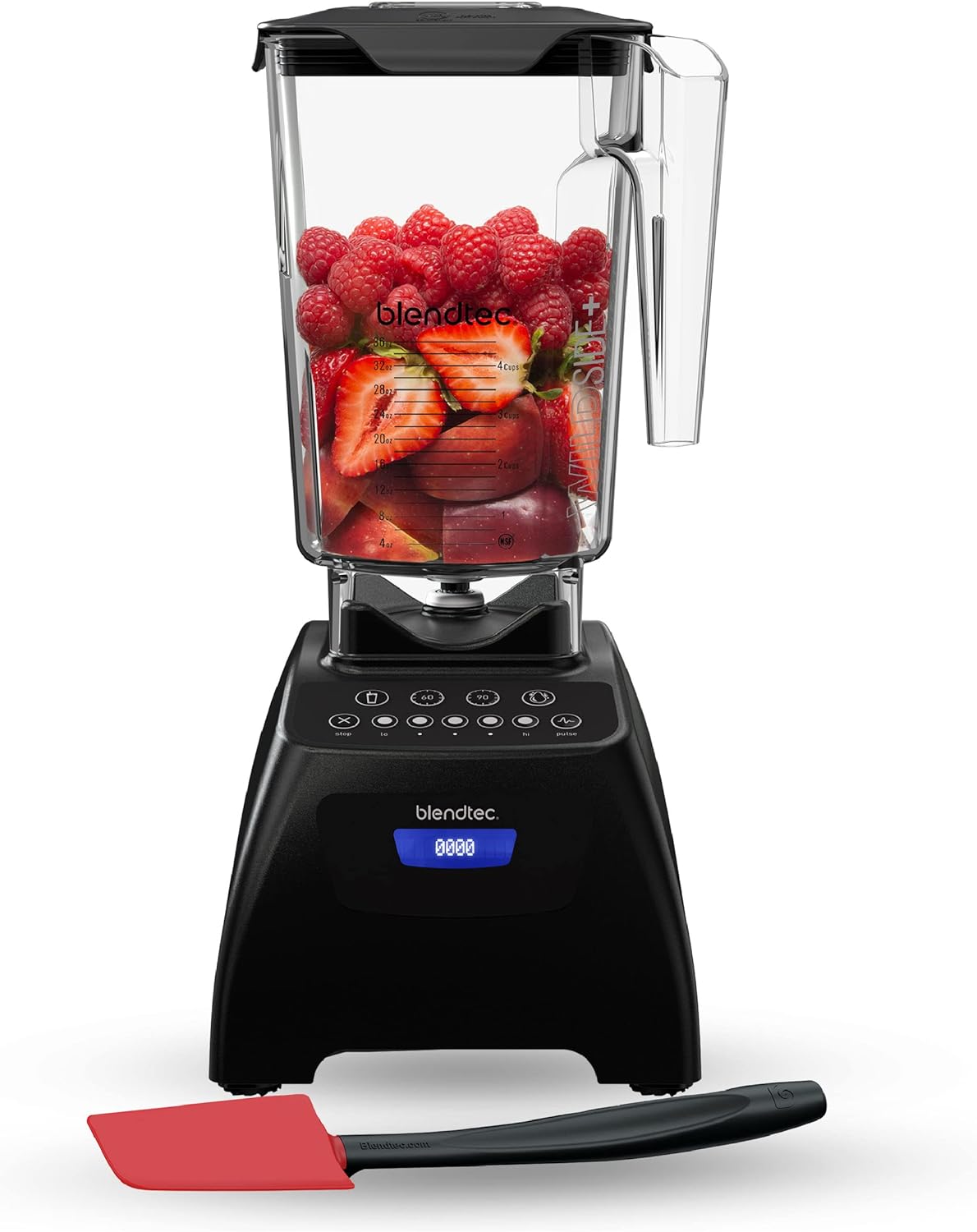
Vitamix blenders are made in Olmsted Township, Ohio, where the company has operated since 1937. The motors are wound in-house, the containers are injection-molded on-site, and the assembly line is staffed by the same region that built the company's reputation. A Vitamix runs hotter and longer than most consumer blenders because it's built to commercial specifications — the variable-speed control and thermal protection system are genuine engineering, not marketing copy. Blendtec, made in Orem, Utah, offers a meaningful alternative with a pre-programmed cycle system that some users prefer over Vitamix's manual approach.
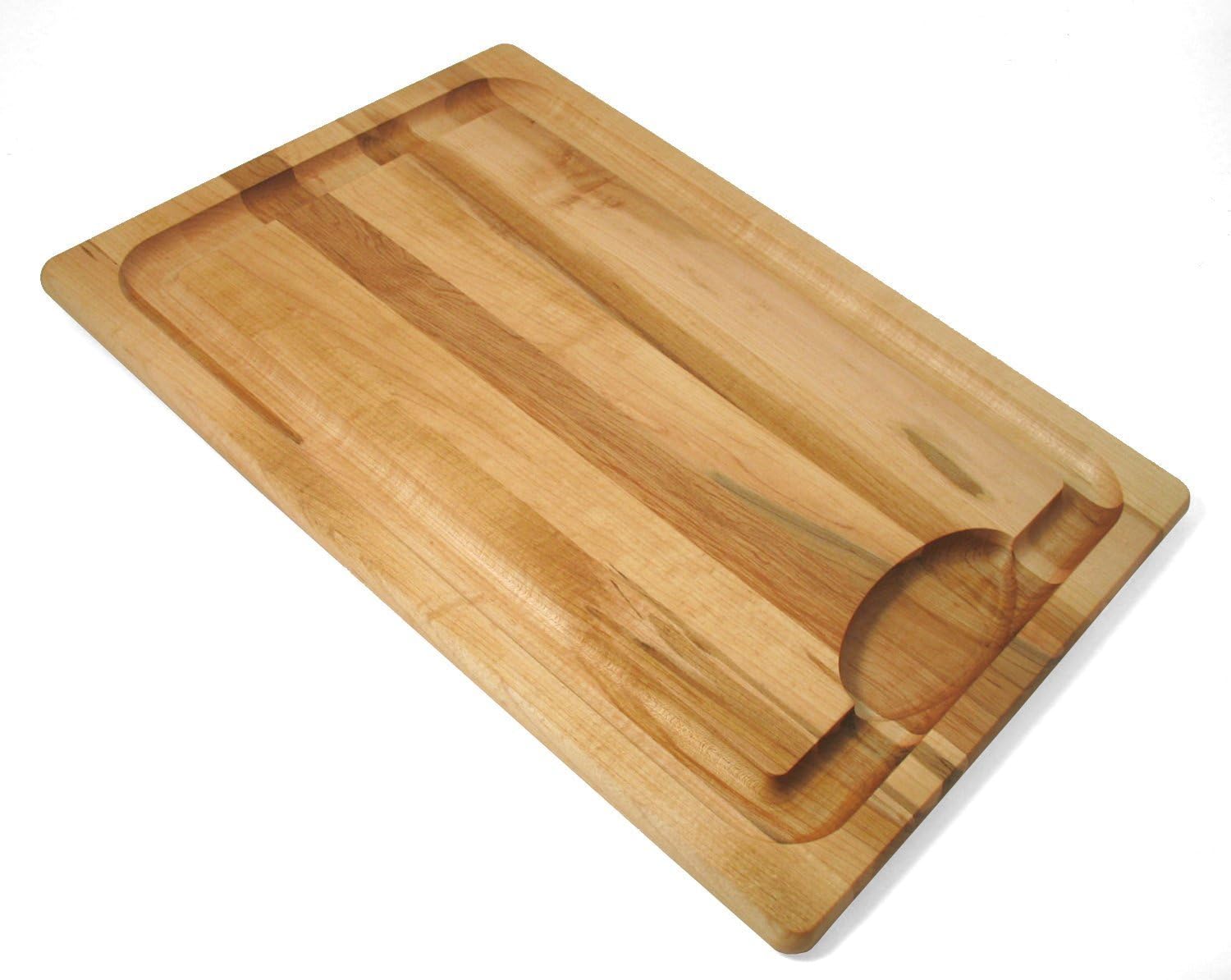
John Boos has been making butcher block and cutting boards in Effingham, Illinois since 1887. Their edge-grain and end-grain maple boards are the standard against which most cutting boards are compared. End-grain boards are gentler on knife edges because the fibers close around the blade rather than being cut across; they also show knife marks less prominently over time. For buyers who cook frequently, a Boos end-grain board is a reasonable long-term investment. Bevel & Bond is a newer single-product option: a 1.75-inch end-grain hard maple board cut, glued up and hand-finished by a wood shop in Hubbard, Oregon.
Tervis makes insulated drinkware in North Venice, Florida. The double-walled construction keeps drinks cold or hot without condensation on the exterior. Tervis is notable for its lifetime guarantee — the company will replace any broken piece indefinitely — and for the wide range of personalization options that have made it a regional staple in the South.
Grills and Cleaning: Weber, Libman, and Simple Green
Weber has made charcoal and gas grills in Palatine, Illinois since 1952. The original kettle grill design — a spherical steel bowl with a domed lid — was invented by George Stephen Sr., a Weber Brothers Metal Works employee who wanted better control over his backyard cooking. The current Weber Original Kettle grill is functionally identical in design to the 1952 original, which is either a testament to getting the design right the first time or a very efficient product lifecycle, depending on how you look at it. Weber's domestic manufacturing covers the Kettle and Smokey Mountain Cooker lines; those products are assembled in the US from domestically and internationally sourced components.
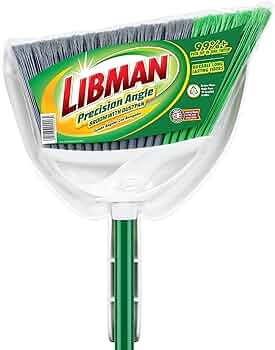
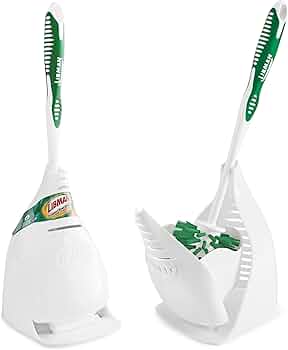
Libman has manufactured mops, brushes, and cleaning tools in Arcola, Illinois since 1896. Their Freedom Spray Mop and Wonder Mop lines are made domestically from components that include microfiber heads sewn in the US. Libman's cleaning tool construction is notably more durable than most mass-market alternatives — the mop handles use a steel core rather than hollow plastic, and the refill heads are designed to be machine-washed hundreds of times before replacement.
Simple Green all-purpose cleaner is made in Huntington Beach, California. The formula is biodegradable and non-toxic, appropriate for surfaces where food contact occurs — kitchen counters, cutting boards, and appliances. The concentrated version dilutes at ratios from 1:10 (heavy cleaning) to 1:30 (light cleaning), making a 32-ounce bottle equivalent to several gallons of ready-to-use cleaner. Simple Green is also USDA-certified as a biobased product.
Kitchen Knives and Wool Textiles: Cutco and Woolrich
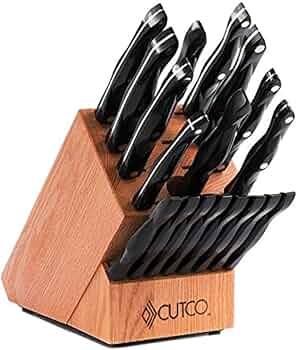
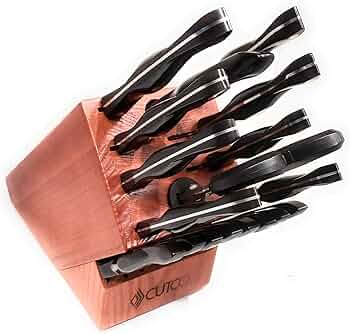
Cutco makes kitchen knives and cutlery in Olean, New York, where the company has operated since 1949. The knives use a high-carbon stainless steel blade with a Double-D edge — a patented recessed serration that the company claims stays sharp longer than a straight edge for most kitchen cutting tasks. Every Cutco knife comes with a Forever Guarantee: the company will sharpen, repair, or replace any piece at no charge, indefinitely. This guarantee has been honored since 1949, which is long enough to be a credible commitment rather than a marketing promise.
Cutco is sold through a direct sales model, which means you'll typically encounter it through a sales representative rather than a retail store. The pricing is higher than most retail kitchen knives, but the Forever Guarantee eliminates the replacement cost over time — a set of Cutco knives, properly maintained through the free sharpening service, can be a multi-decade kitchen investment.
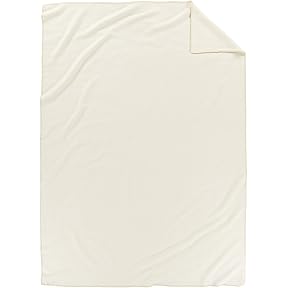
Woolrich has been producing wool blankets and textiles in Woolrich, Pennsylvania since 1830, making it one of the oldest continuously operating textile mills in the United States. The original mill site in Woolrich is still active. Their wool blankets use a blend of domestic and international wool and are woven in Pennsylvania. Woolrich blankets are constructed for genuine warmth rather than decorative use — the wool weight and weave density are appropriate for cold-weather camping and outdoor use, not just home display.
Wool Home Textiles: Pendleton
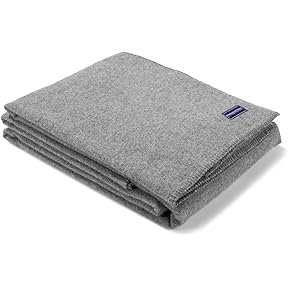
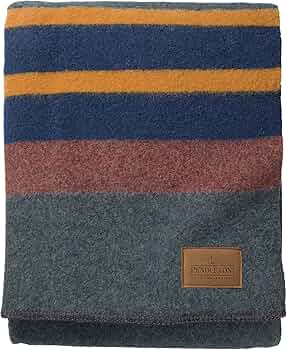
Pendleton has woven wool blankets and apparel in the Pacific Northwest since 1863, with active mills in Pendleton, Oregon and Washougal, Washington. The company is family-owned and has been managed by the Bishop family across six generations. Pendleton wool blankets are woven from virgin wool on jacquard looms that produce the geometric and Native American-inspired patterns the brand is known for. The patterns are printed in the warp threads before weaving, so the design is structural — it won't fade or peel like a surface print.
Pendleton's Eco-Wise Washable wool blankets use a machine-washable wool treatment that allows home laundering without the felting and shrinkage that untreated wool experiences. For buyers who want wool's temperature regulation and durability without dry-cleaning requirements, the Eco-Wise line is a practical option. The blankets are heavier than most synthetics and carry the warmth-to-weight ratio advantage of natural wool fiber.
For buyers choosing between Pendleton and Woolrich: both are legitimate American-made wool producers with long histories. Pendleton's patterns and Pacific Northwest aesthetic are more distinctive; Woolrich tends toward more traditional tartan and solid designs. Either brand produces a blanket built to last decades with basic care.
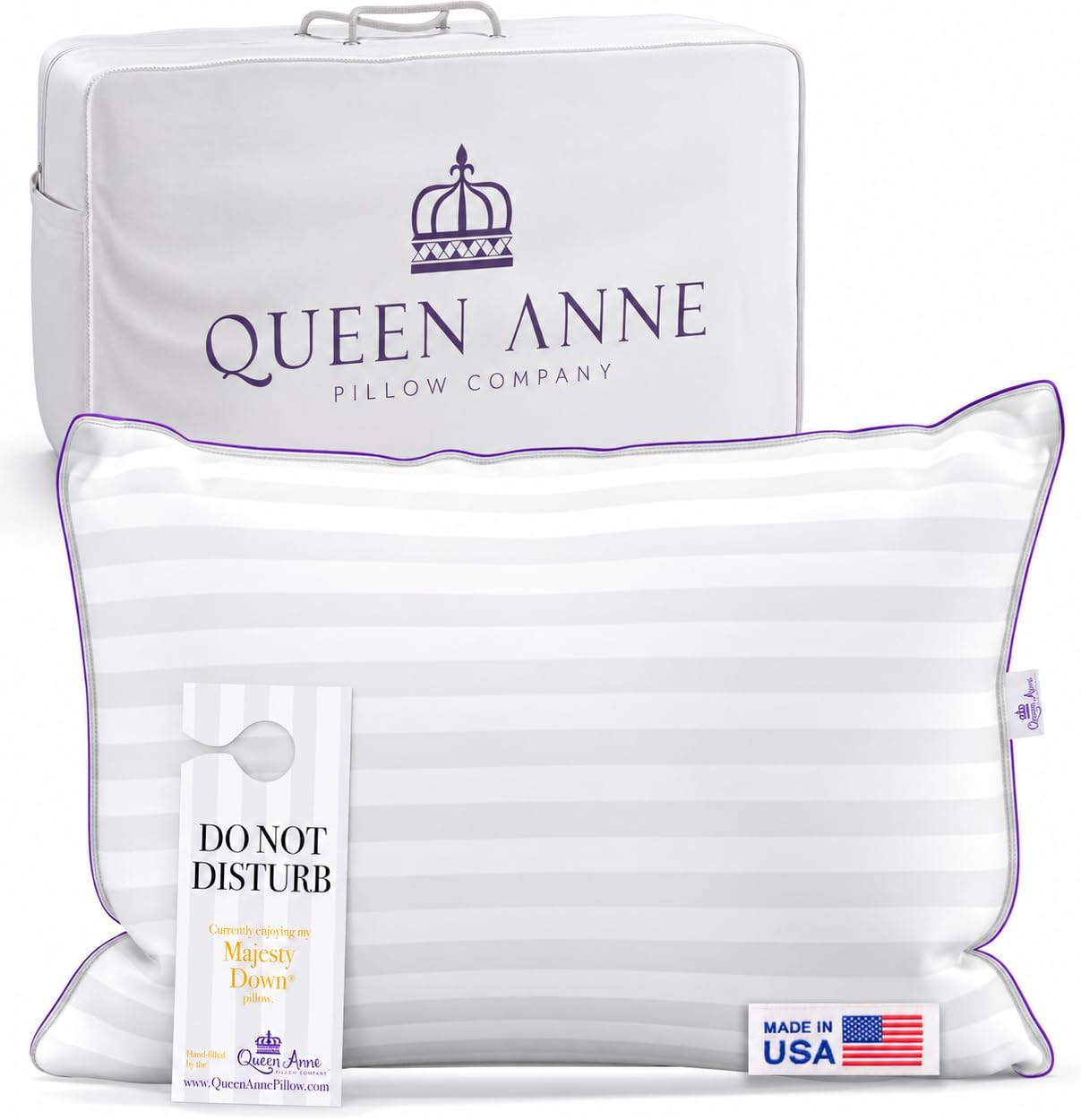
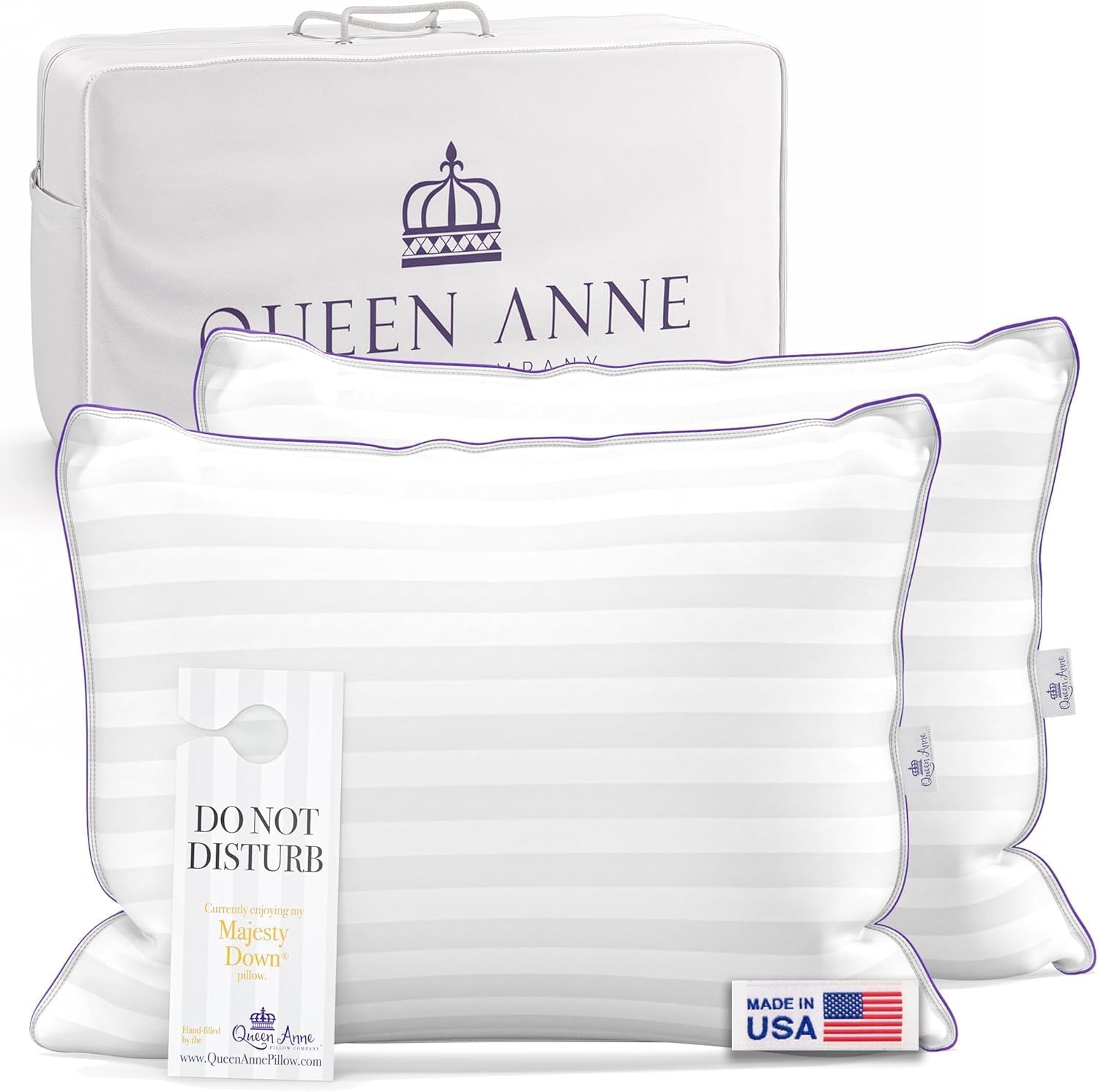
For the bed itself, Queen Anne Pillow makes hotel-style down-alternative and goose-down pillows in South Carolina, where the company designs every product in its own studio.
Cutlery: Dexter-Russell and Lamson
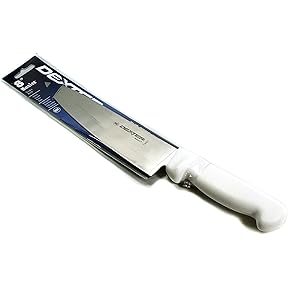
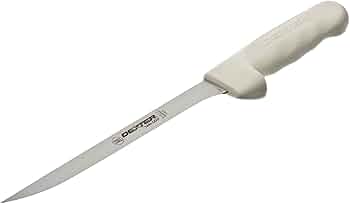
Dexter-Russell has forged professional knives in Southbridge, Massachusetts since 1818, making it the oldest American knife manufacturer still in operation. Their Sani-Safe series — with NSF-certified slip-resistant white handles — is the standard in professional butcher shops, seafood markets, and commercial kitchens across the country. The flexibility of a Dexter-Russell fillet knife and the curve of their boning knives reflect generations of feedback from professional knife users.
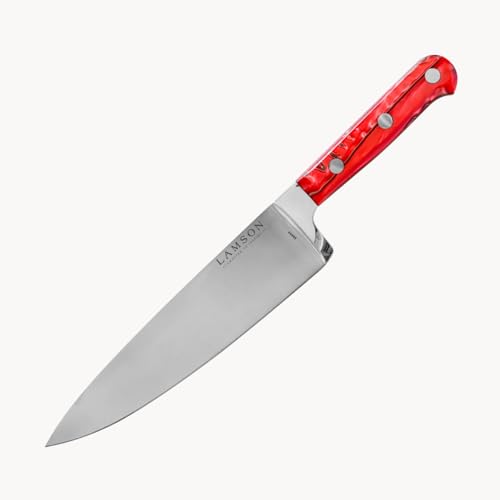
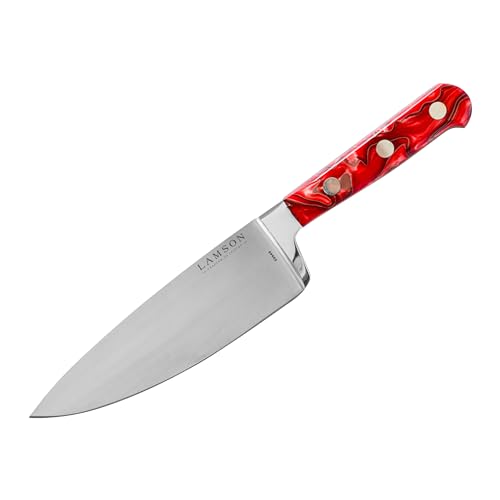
Lamson has been forging cutlery in Shelburne Falls, Massachusetts since 1837, making it America's second-oldest continuously operating cutlery manufacturer. Their ForgedLite series, developed with chef input, produces drop-forged high-carbon steel blades at prices significantly below European premium brands. For cooks who want American-forged knives that connect to a Massachusetts cutlery tradition predating the Civil War, both Dexter-Russell and Lamson deliver exceptional value.

Bakeware, Coffee, and Kitchen Specialty: LloydPans, Chemex, and Ateco
LloydPans manufactures hard-anodized aluminum bakeware in Spokane Valley, Washington, producing the pizza pans and sheet pans used by professional pizzerias and bakeries across North America. Their hard-anodized finish withstands commercial dishwashers and high-temperature ovens far better than coated alternatives, and the dimensional consistency allows efficient stacking in professional kitchens.
Chemex has made its iconic hourglass pour-over coffeemaker in Chicopee, Massachusetts since 1941. The design — unchanged since Peter Schlumbohm created it — is in the permanent collection of the Museum of Modern Art. For specialty coffee enthusiasts who want clarity and brightness in the cup, the Chemex remains the reference pour-over brewer.
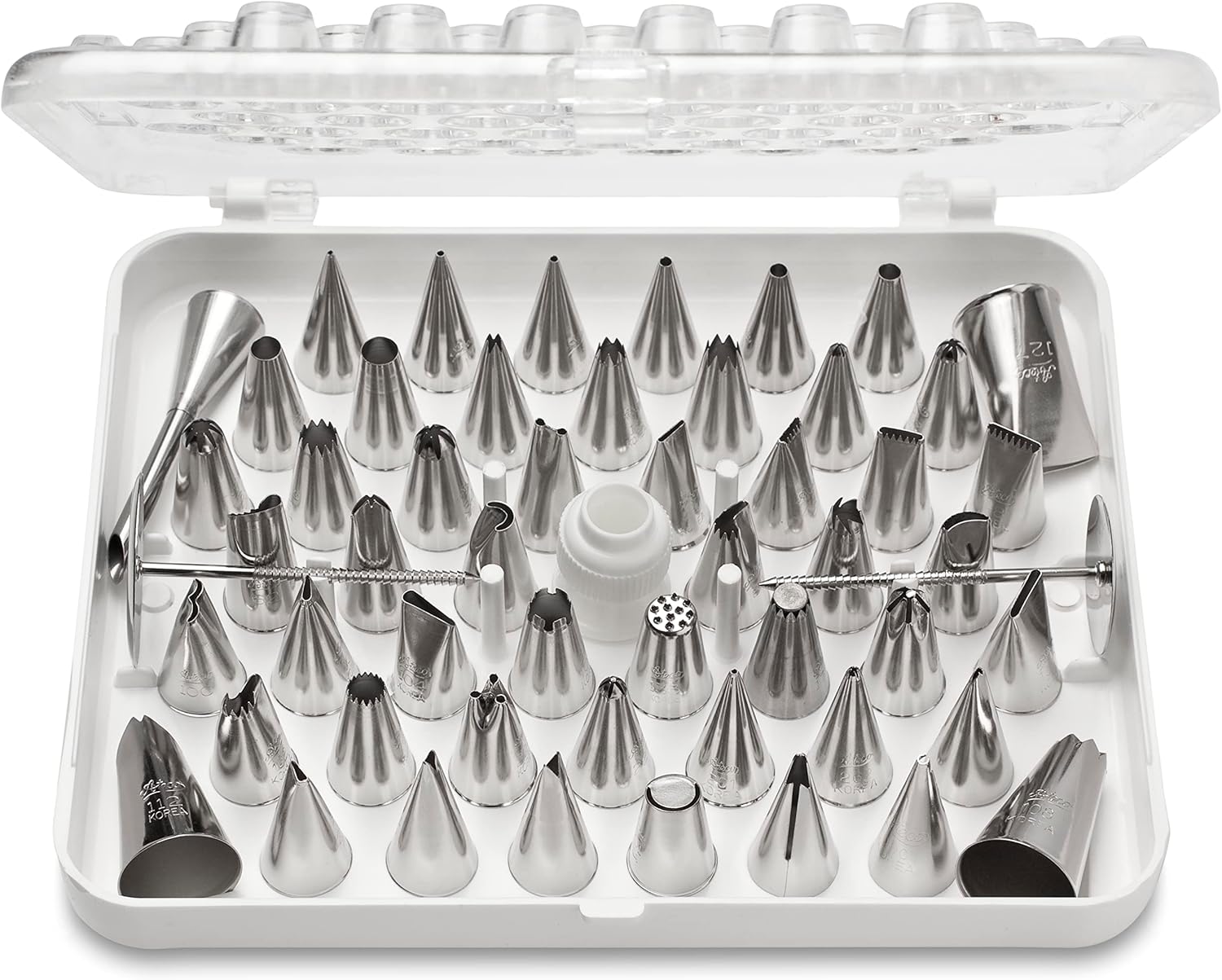
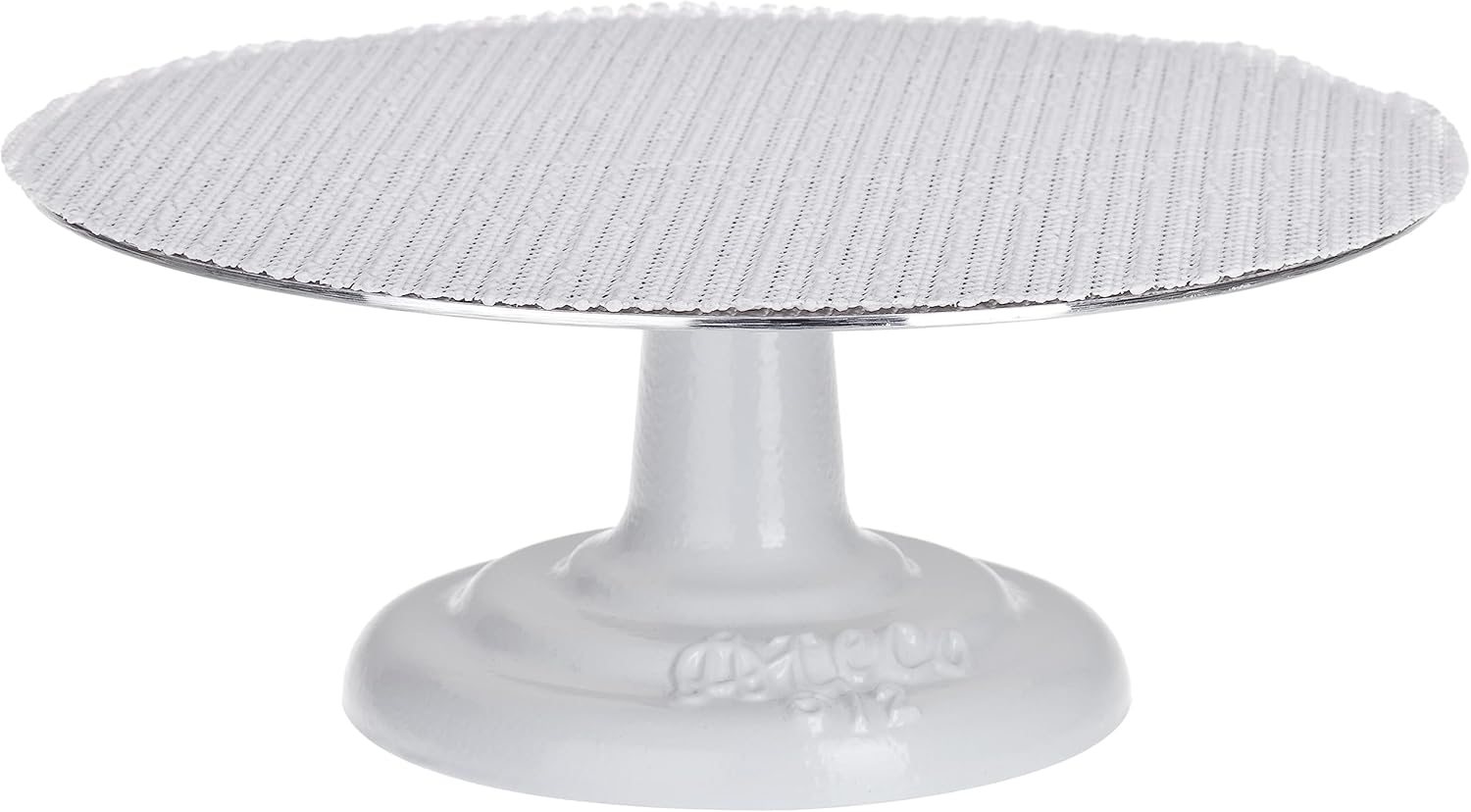
Ateco has manufactured pastry decorating tools and equipment in Glen Cove, New York since 1905. Their pastry tip numbering system has become the industry standard — when a professional pastry chef calls for a #1M star tip, they're using Ateco's taxonomy. The turntables, offset spatulas, and pastry bag systems round out a complete American-made professional baking toolkit.
Browse All Home & Kitchen Products
See all 776 verified American-made home & kitchen products in our catalog.
Frequently Asked Questions
Is Lodge Cast Iron actually made in the USA?
Yes. Lodge has operated its foundry in South Pittsburg, Tennessee continuously since 1896. Every piece in their standard line — skillets, Dutch ovens, griddles, and grill pans — is cast, seasoned, and packaged at that facility. The Blacklock line is also American-made.
What's the difference between All-Clad D3 and D5?
D3 uses three bonded layers (stainless-aluminum-stainless) while D5 uses five (stainless-aluminum-stainless-aluminum-stainless). D5 heats more slowly but distributes heat more evenly. For most home cooks, D3 is the better value; D5 is worth the premium if you frequently cook low-and-slow dishes where even heat distribution across the pan walls matters.
Where is Pyrex bakeware made?
Pyrex glass bakeware for the consumer market is made in Charleroi, Pennsylvania. The glass is tempered soda-lime rather than the original borosilicate formula, which means it's not suitable for direct-from-freezer-to-oven use or placement on a wet cold surface directly from a hot oven.
Is Liberty Tabletop flatware dishwasher safe?
Yes. Liberty Tabletop stainless flatware is dishwasher safe and is designed for daily use. The steel is an 18/10 or 18/0 alloy depending on the pattern — 18/10 has slightly better corrosion resistance. The company recommends removing flatware promptly after the cycle to prevent water spots.
Does Cutco's Forever Guarantee actually cover sharpening?
Yes. Cutco's Forever Guarantee covers free sharpening by mail, as well as repair or replacement for any piece that breaks or fails. The company has honored this guarantee since 1949. You ship the knife to their Olean, New York facility, they sharpen it and return it at no charge — no proof of purchase required.
Are Pendleton blankets machine washable?
Pendleton's Eco-Wise Washable wool blankets are machine washable on a gentle cycle with cold water. Standard Pendleton wool blankets should be dry-cleaned or hand-washed to avoid shrinkage and felting. Check the specific blanket's care label — the Eco-Wise line is marked distinctly from the standard wool collection.
How do you season and care for Lodge cast iron?
Lodge skillets come pre-seasoned from the factory. To maintain seasoning, wash gently with warm water and mild soap (the pre-seasoning is durable), dry thoroughly, and rub lightly with neutral oil before storing. Avoid prolonged soaking or dishwasher use. If you're starting from scratch with a new skillet, cooking fatty foods (bacon, sausage) naturally builds seasoning over time.
Is All-Clad cookware worth the high price?
All-Clad's full-clad construction (stainless steel running the full height of the pan, not just the base) produces genuinely even heating. The durability and responsiveness justify the premium for frequent cooks. For occasional kitchen use, Heritage Steel offers the same full-clad benefit at a lower price point. Neither is necessary for basic cooking, but both outperform budget cookware noticeably.
Can you use vintage Pyrex cookware?
Yes. Vintage Pyrex bakeware and mixing bowls are safe to use. Modern Pyrex is made with tempered soda-lime glass (not borosilicate), so avoid thermal shock by not taking it directly from a hot oven to a cold wet counter. Vintage borosilicate Pyrex is more resistant to thermal shock, which is why older pieces sometimes command collector prices.
Which American knife brand is best for beginners?
Cutco's entry-level knives are a sensible choice for beginners because the Forever Guarantee eliminates replacement costs. The knives are straightforward to use and maintain. For buyers who want to build knife skills without expensive equipment, Cutco reduces the financial risk. Rada Cutlery from Iowa also offers budget-friendly kitchen knives with good functionality.
Does Heritage Steel cookware match All-Clad performance?
Heritage Steel cookware uses 5-ply construction (versus All-Clad's 3-ply D3), which distributes heat even more evenly. For most cooking, you won't notice the difference. Heritage Steel's titanium-reinforced interior is slightly more durable than All-Clad's standard interior. Heritage Steel is the better value; All-Clad has brand heritage and slightly more refined handles.
Is it worth buying American-made blenders?
Vitamix and Blendtec blenders are assembled in the USA with domestically manufactured motors and containers. Vitamix is the market leader with variable-speed control; Blendtec uses pre-programmed cycles. Both are premium machines built to commercial specifications. If blending is central to your cooking (smoothies, nut butters, hot soups), either brand's durability justifies the premium over budget alternatives.
Which American cutting board material lasts longest?
John Boos end-grain maple boards last longest because the wood fibers close around knife blades rather than being cut across. End-grain boards hide knife marks better and develop a beautiful patina over years of use. A well-maintained John Boos board can last decades. Edge-grain boards are more affordable but show wear more visibly.
Is Anchor Hocking glass as good as Pyrex?
Both are made in the USA with tempered soda-lime glass. Functionally, they're equivalent for most baking applications. Pyrex is made in Charleroi, Pennsylvania; Anchor Hocking in Lancaster, Ohio. Pyrex has brand recognition; Anchor Hocking often costs slightly less. Mixing the two brands in your kitchen is common and totally fine.
Can you use Fiesta dinnerware in the microwave?
Yes. Fiesta dinnerware is microwave safe. The vitrified china construction is also dishwasher safe and chip-resistant. The lead-free glaze is fired into the clay, so it won't crack or peel. Fiesta has been produced since 1936 with excellent durability — pieces from the 1930s are still in active use in households today.
What makes Weber grills American-made?
Weber has made charcoal and gas grills in Palatine, Illinois since 1952. The Original Kettle and Smokey Mountain lines are assembled in the US using domestic and international components. Weber's manufacturing is transparent about sourcing — they don't claim 100% domestic content, but US assembly and quality control ensure consistency.