Best American-Made Garden & Patio Tools
Garden tools made in American factories — forged steel, fiberglass handles, and decades of use built into every piece.
Quick Answer
The best American-made garden tools include Bully Tools from Steubenville, Ohio (100% American steel), POLYWOOD outdoor furniture from Syracuse, Indiana (made from recycled materials), and Water Right polyurethane hoses made in the USA.
Last updated: April 2026
Made in USA Garden & Patio: by the numbers
- 402 verified American-made garden & patio products from 82 U.S. brands in our catalog, each checked against factory locations and manufacturer statements.
- Top manufacturing states for these brands: Pennsylvania (11 brands), Illinois (7 brands), North Carolina (6 brands).
- U.S. manufacturing employed 12.6 million Americans as of May 2026 (U.S. Bureau of Labor Statistics), and 70% of consumers say buying American-made matters to them (DuraPlas survey, Feb 2025).
Catalog figures recompute at every site build. More data and sources on our American manufacturing statistics page.
Quick Comparison
Shovels and Digging Tools: Bully Tools and True Temper
Bully Tools manufactures garden and digging tools in Steubenville, Ohio using 12-gauge steel — thicker than the 14-gauge material common in imported tools. The practical difference is measurable: a 12-gauge steel head bends less under prying load and resists the edge deformation that eventually makes imported shovels useless for anything but soft soil. Bully Tools uses fiberglass handles rather than wood because fiberglass doesn't crack, split, or absorb moisture. The handles are thicker than average and provide slightly more grip surface, which some users prefer and others find tiring.
Bully Tools' broad fork (also called a garden broadfork or bio-fork) is a particularly useful tool for raised-bed gardeners. The design — a wide U-shaped handle attached to several tines — allows aerating and loosening compacted soil without inverting it, which preserves the soil's biological structure. For raised beds that have been worked for several years, a broadfork loosens compaction without disrupting the earthworm populations and fungal networks that make established beds productive.
True Temper, based in Camp Hill, Pennsylvania, is the largest manufacturer of long-handled tools in the US. Their D-grip digging shovel is a standard in construction and landscaping; the D-grip handle design concentrates force at the blade and makes one-handed blade repositioning easier than a straight handle. True Temper's heat treatment process is well-regarded for edge retention — the blade stays sharp through rocky soil longer than many competitors. For chemical-free weed control, Flame Engineering has built Red Dragon and Weed Dragon propane torches at its single factory in La Crosse, Kansas since 1959.
Watering Tools: Water Right, Swan, Teknor Apex, and Gilmour
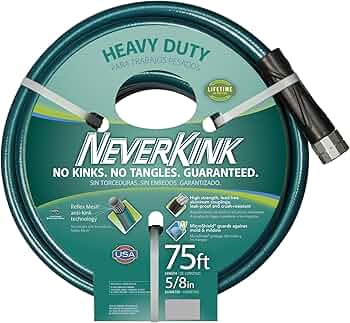
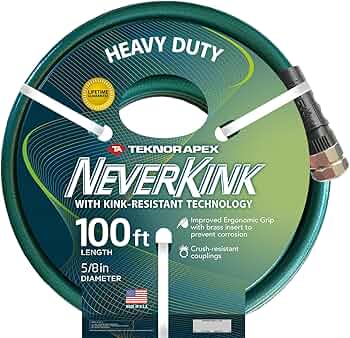
The American-made side of watering is hoses and hose-end tools. Water Right in Portland, Oregon makes polyurethane garden hoses in the USA — lighter than rubber, drinking-water safe, and sold in 25 to 100-foot lengths with lead-free brass fittings. Teknor Apex has extruded hose in Pawtucket, Rhode Island since 1924; its NeverKink line uses a reinforced construction that resists the kinking that shortens the life of cheaper hose. Swan Products manufactures WEATHERFLEX and PressureMASTER hoses in Waco, Texas.
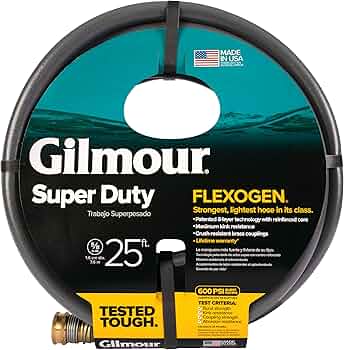
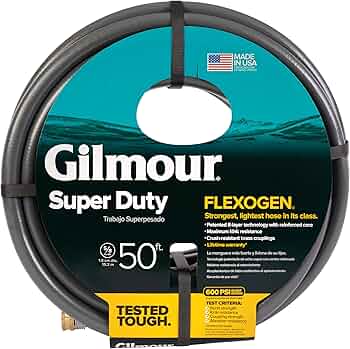
Gilmour, based in Excelsior Springs, Missouri, covers the Flexogen hose line and the nozzles and sprinklers that go on the end of it. For seedlings, hanging baskets, and raised beds, pair any of these hoses with a soft-spray wand or shower-pattern nozzle — the point is water delivered at a velocity that does not displace seeds or disturb young plants, which a plain jet nozzle cannot do.
Hose-end fittings are the usual failure point on imported watering tools; solid brass fittings with standard threading are worth paying for because they are the part that survives being dropped, stepped on, and left out over winter.
Rakes, Pruners, and Spreaders: Flexrake, Corona Tools, and Chapin
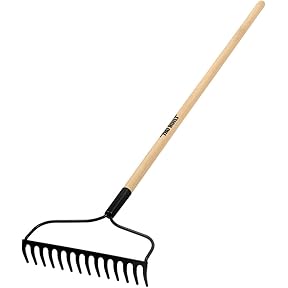
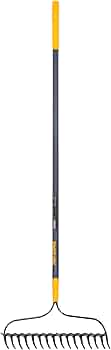
Flexrake has manufactured garden rakes and hand tools in City of Industry, California since 1945. Their steel-head lawn rakes use a design principle that differentiates them from most competitors: the tines are set at a slight flex angle that causes them to spring back rather than bend permanently when they encounter resistance. This is the functional meaning of the brand name — the tines flex rather than deform. For raking leaves over lawn surfaces with roots and surface irregularities, this flex characteristic reduces the frustration of tines catching and bending.
Corona Tools, based in Corona, California, makes bypass pruners and hand tools primarily for the professional horticultural market. Their ClassicCUT and RazorTOOTH lines are made domestically with chrome-steel blades. Corona's bypass pruners use a blade geometry that pulls rather than crushes when cutting small branches, which produces a cleaner cut that heals more quickly on plants. The quality difference between Corona pruners and cheap imports is immediately apparent in use.
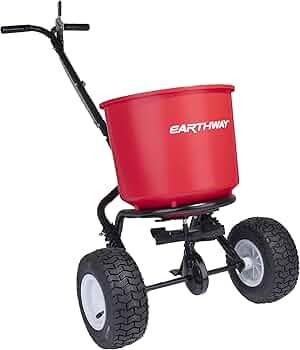
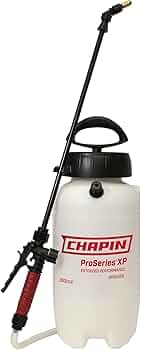
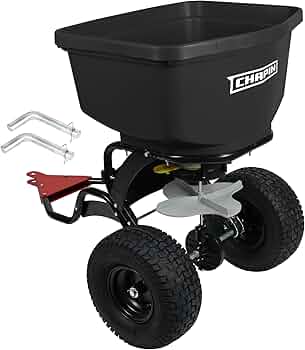
Chapin International makes spreaders in Batavia, New York. Their tow-behind broadcast spreaders are used extensively in lawn care — the 150-pound capacity Tow-Pro model is appropriate for larger residential properties and light commercial use. The hopper and frame are designed to resist fertilizer corrosion, which is the primary failure mode of low-end spreaders. Chapin also makes handheld sprayers; the janitorial-grade sprayers use a stainless steel wand that resists chemical degradation from common cleaning concentrates.
Outdoor Furniture: POLYWOOD
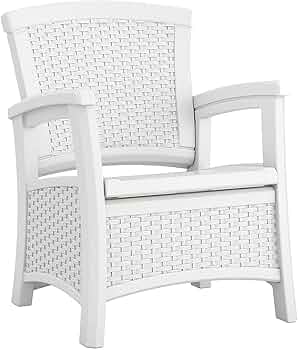
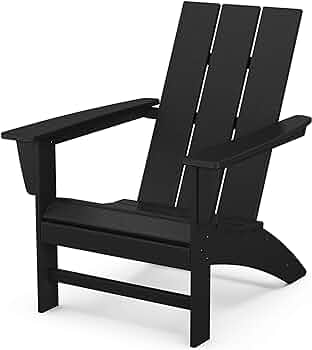
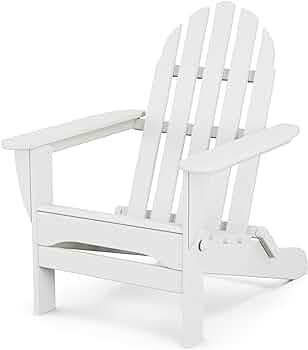
POLYWOOD makes outdoor furniture in Syracuse, Indiana from recycled lumber — specifically, the company processes recycled plastic bottles and containers into a material that resembles wood in appearance but is impervious to moisture, rot, insects, and UV degradation. The production facility in Syracuse has manufactured POLYWOOD furniture since the company pioneered the recycled-plastic lumber process in 1990. The furniture requires no sealing, staining, or painting, and the color runs through the material rather than being a surface coating.
POLYWOOD's Adirondack chairs, benches, rocking chairs, and dining sets are among the most widely available American-made outdoor furniture options. The Adirondack chair is the flagship product — it's available in a dozen colors, several styles including the Classic and Vineyard variants, and in folding configurations for storage. The material is heavier than wood or aluminum alternatives, which contributes to stability in wind. POLYWOOD furniture carries a 20-year warranty against material degradation, which is backed by the company's track record since 1990.
Pruners and Forged Tools: Florian Tools and Red Pig Garden Tools
Florian Tools in Orland Park, Illinois makes the case that pruning tool design can be improved meaningfully with a patented ratchet mechanism. Where conventional bypass pruners require the user to exert full cutting force in a single squeeze, Florian's ratchet system breaks each cut into multiple smaller actions, each requiring less force than the last. For gardeners who prune regularly — roses, ornamental shrubs, small trees — the accumulated fatigue reduction over a session of pruning is the practical benefit. The mechanism adds slight complexity to the tool but is reliable enough that commercial horticulturalists use Florian alongside professional gardeners.
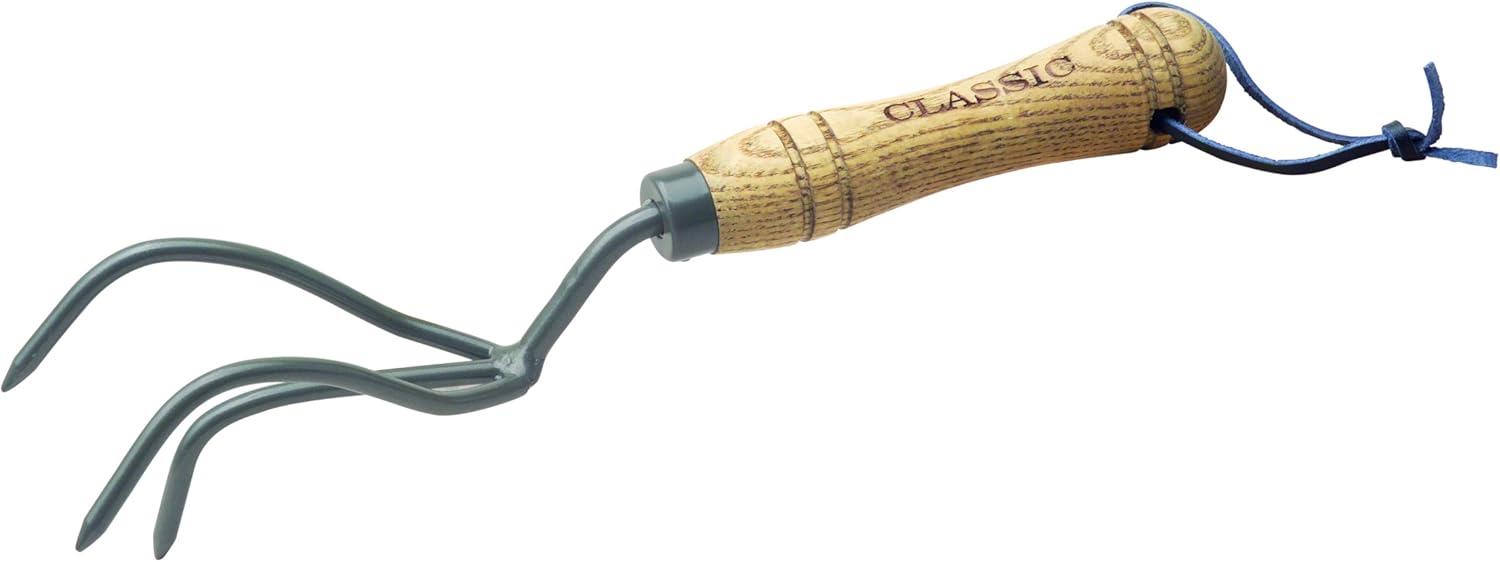
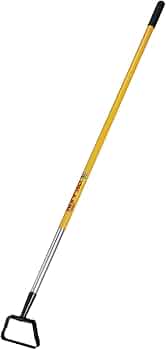
Red Pig Garden Tools represents a different approach to premium garden tools: hand-forging. Each tool at the West Linn, Oregon forge is individually shaped by a blacksmith from high-carbon steel, which work-hardens the metal during shaping. This produces tool heads stronger than stamped alternatives and capable of holding an edge through resharpening over decades. The product line — hoes, weeders, trowels, cultivators, and forks — is available only at prices that reflect the hand labor required, but the value calculation is in lifetime service rather than initial cost.
Patio Furniture and Garden Decor: Telescope Casual and Panacea Products
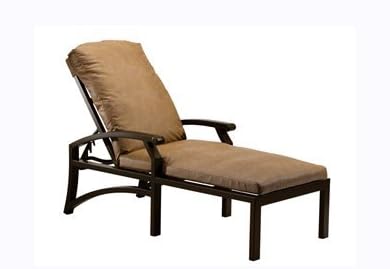
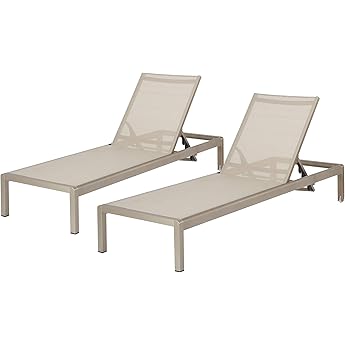
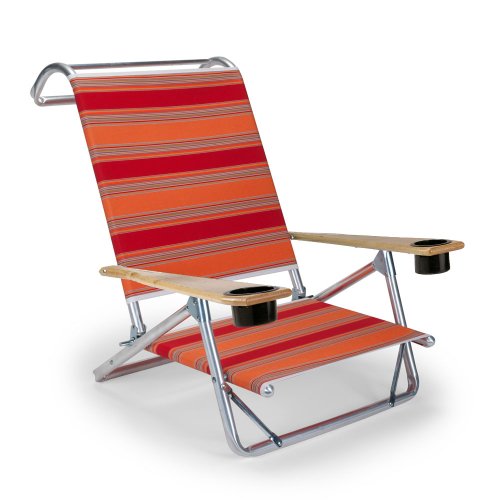
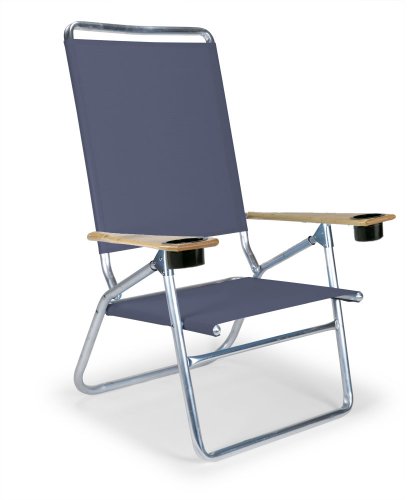
Telescope Casual has manufactured outdoor furniture in Granville, New York since 1903, making it one of the oldest American outdoor furniture companies still in production. The company makes aluminum and wrought iron dining sets, lounge chairs, and chaise lounges at the Granville factory. Telescope Casual's sling furniture — chairs and lounges with woven fabric seats stretched over aluminum frames — is built for commercial hospitality use (pools, resorts) but sold to residential buyers who want the same durability standard. The aluminum frames are powder-coated for UV and corrosion resistance, and the sling fabric is designed to withstand years of direct sun without fading or stretching.
Panacea Products has manufactured garden décor and landscape products in Columbus, Ohio since 1927. Their wire tomato cages, plant stakes, garden trellises, and decorative metalwork are made from steel wire and sheet metal at the Columbus facility. For vegetable gardeners, Panacea's heavy-gauge steel tomato cages are a meaningfully better product than the lightweight pyramid cages common at mass retailers — the heavy gauge resists the lateral force that mature indeterminate tomato plants exert as they grow past cage height. Panacea also makes garden torches and decorative metal yard art, giving the brand the widest range of garden hardgoods from a single American manufacturer.

Browse All Garden & Patio Products
See all 402 verified American-made garden & patio products in our catalog.
Frequently Asked Questions
Why is 12-gauge steel better for shovels?
Gauge refers to steel thickness — lower numbers are thicker. A 12-gauge steel blade is approximately 2.7mm thick compared to approximately 1.9mm for 14-gauge. The thicker blade resists permanent bending when prying rocks or compacted soil, and holds an edge longer. Most imported shovels use 14-gauge or thinner material to reduce cost.
Are fiberglass or wood handles better for garden tools?
Fiberglass doesn't crack, split, rot, or absorb moisture, which gives it a longer service life in outdoor conditions. Wood handles have a warmer feel and are easier to grip when wet for some users, and they can be replaced if damaged. Bully Tools uses fiberglass for longevity; True Temper offers both. Either is a reasonable choice for normal garden use.
What is the advantage of bypass pruners over anvil pruners?
Bypass pruners cut with two blades passing each other like scissors, which produces a clean, close cut. Anvil pruners use a single blade pressing against a flat surface, which can crush stem tissue on one side of the cut. For living plants, bypass pruners produce cleaner cuts that heal faster and are less likely to introduce disease.
Does POLYWOOD furniture require maintenance?
No. POLYWOOD furniture made from recycled plastic lumber requires no painting, staining, sealing, or weatherproofing. The material does not rot, splinter, or absorb moisture. Cleaning is done with soap and water or a power washer for heavier dirt. The 20-year warranty covers material degradation and structural failure.
What is a broadfork and why would I need one?
A broadfork (or biofork) is a wide U-shaped tool with multiple tines that loosens compacted soil without inverting it. Unlike a spade that chops and flips soil, a broadfork aerates while preserving the soil structure, which maintains beneficial earthworms, fungi, and microbial networks. For established raised beds or garden plots, a broadfork loosens seasonal compaction without the disruption that full digging causes.
Are Corona pruners worth the premium price?
Yes, if you prune regularly. Corona's bypass pruners produce clean cuts on living branches that heal quickly and resist disease entry. A quality pruner used for years costs less per use than cheap pruners that crush stems and require frequent replacement. The stainless steel blades resist rust and corrosion from regular use.
What is the difference between a Rain Wand and a standard hose nozzle?
A Rain Wand delivers water at a soft, dispersed rate rather than a concentrated stream. For watering seedlings, hanging baskets, or newly seeded areas, this soft delivery prevents soil displacement and washout. A standard nozzle concentrates force and is appropriate for general watering and cleaning. A soft-spray wand or nozzle head is the tool for situations requiring gentle delivery.
Why does Bully Tools use fiberglass instead of wood handles?
Fiberglass doesn't rot, split, crack, or absorb moisture. In garden use where handles are regularly exposed to water, soil, and UV, fiberglass lasts longer than wood. Wood handles have a warmer feel in the hand and can be replaced if damaged. For durability over decades of storage and use, fiberglass offers longer service life.
Can POLYWOOD furniture survive winter conditions?
Yes. POLYWOOD furniture is designed to withstand temperature extremes, UV exposure, moisture, and freeze-thaw cycles. The recycled plastic lumber doesn't absorb water, so ice buildup on the surface won't cause cracking. The 20-year warranty is backed by products placed outdoors year-round in all climates.
What makes True Temper shovels different from generic imported shovels?
True Temper uses a proprietary heat-treating process that creates a blade hardness calibrated for edge retention without brittleness. The D-grip handle design concentrates force at the blade and prevents the handle flexibility that imported shovels often develop. True Temper's Pennsylvania manufacturing dates to the 1800s, with current production maintaining the original quality standards.
Are garden tools you'll use daily worth investing in quality American brands?
Yes. A quality American-made shovel costs $40-60 and lasts decades; a cheap imported shovel costs $15-20 and lasts 2-3 years. Over a decade, the expensive tool becomes cheaper per year of use. For tools you'll use regularly — daily watering (a Water Right or Teknor Apex hose), frequent digging (Bully or True Temper), regular pruning (Corona) — quality justifies the premium.
What spreader capacity do I need for my lawn?
A 75-150 pound hopper suits residential lawns up to 5,000-10,000 square feet. For larger properties, the Chapin Tow-Pro 150 or larger spreaders are appropriate. The hopper size determines refill frequency — a large property with a small spreader requires many trips. For residential properties, a handheld spreader or a small push-type works fine.
Can Flexrake tools work on surfaces other than lawn?
The leaf-raking design is optimized for lawn surfaces. The flex tines work well on loose materials (leaves, mulch, dirt) but less effectively on compacted surfaces or large stones. Flexrake also makes a standard landscape rake with rigid tines for tougher jobs. Choose based on what you'll be raking regularly.
Is POLYWOOD furniture suitable for shade areas or only full sun?
POLYWOOD furniture is appropriate for any location — shade, partial shade, or full sun. The UV-stabilized material doesn't fade significantly in sunlight and develops a desirable patina over time. In shaded areas, the material doesn't degrade, so furniture lasts indefinitely regardless of light exposure.