Best American-Made Clothing, Boots & Apparel
Socks knit in Vermont, boots welted in Wisconsin, and workwear cut in Michigan — American-made apparel built for real use.
Quick Answer
The best American-made clothing includes Darn Tough socks from Northfield, Vermont (lifetime guarantee), Red Wing Heritage boots from Red Wing, Minnesota (since 1905), and Filson outerwear from Seattle, Washington (since 1897).
Last updated: April 2026
Made in USA Clothing & Apparel: by the numbers
- 494 verified American-made clothing & apparel products from 98 U.S. brands in our catalog, each checked against factory locations and manufacturer statements.
- Top manufacturing states for these brands: California (12 brands), North Carolina (8 brands), Tennessee (8 brands).
- U.S. manufacturing employed 12.6 million Americans as of May 2026 (U.S. Bureau of Labor Statistics), and 70% of consumers say buying American-made matters to them (DuraPlas survey, Feb 2025).
Catalog figures recompute at every site build. More data and sources on our American manufacturing statistics page.
Quick Comparison
Socks and Base Layers: Darn Tough Vermont and Wigwam
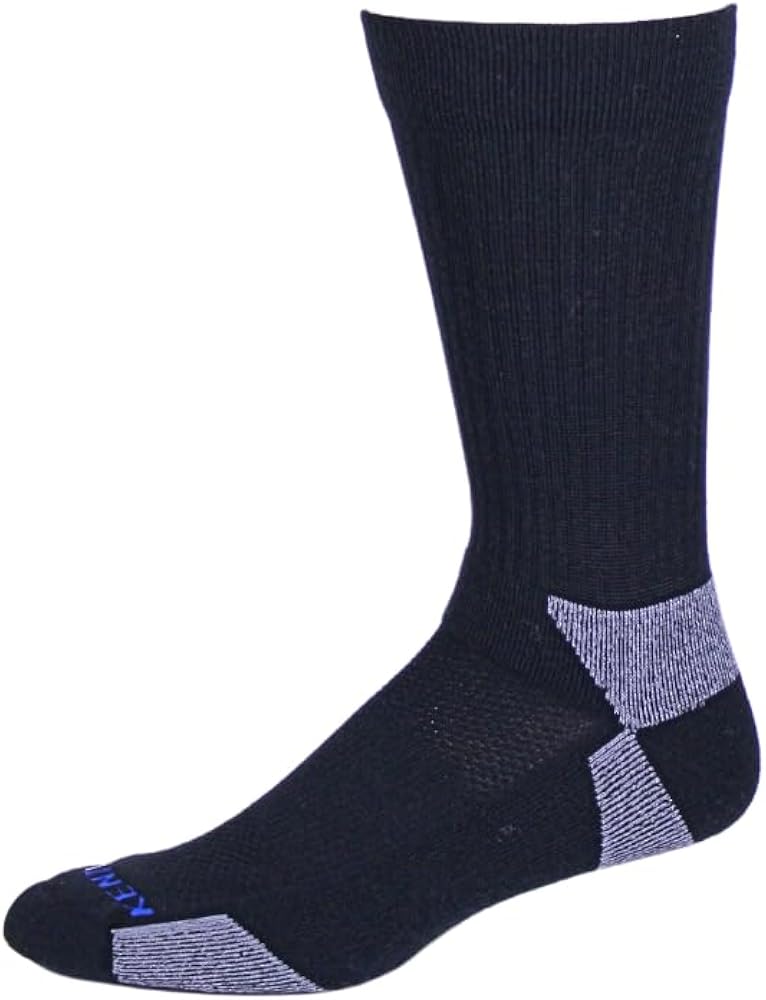
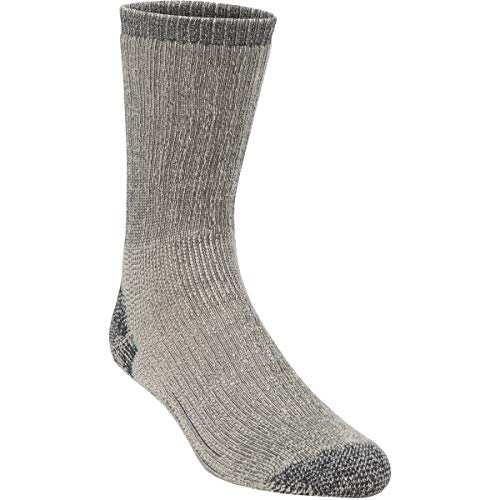
Darn Tough Vermont knits all of its socks in Northfield, Vermont, at the Cabot Hosiery Mills facility that has operated since 1978. The socks are made from merino wool combined with nylon and Lycra for durability, and the company guarantees them unconditionally for life — if they ever develop a hole, you send them back and get a new pair. This is not marketing; the company processes thousands of warranty claims annually and replaces socks without quibble.
The merino wool in Darn Tough socks provides temperature regulation across a wide range: warm enough for winter hiking, cool enough for summer walking. The cushion levels range from ultralight (barely there) to full cushion (significant padding), and the height options cover no-show through over-the-calf. For buyers who go through socks regularly, the math on the lifetime guarantee becomes compelling within two or three years.
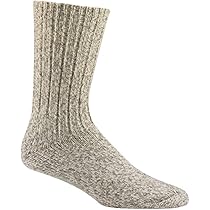
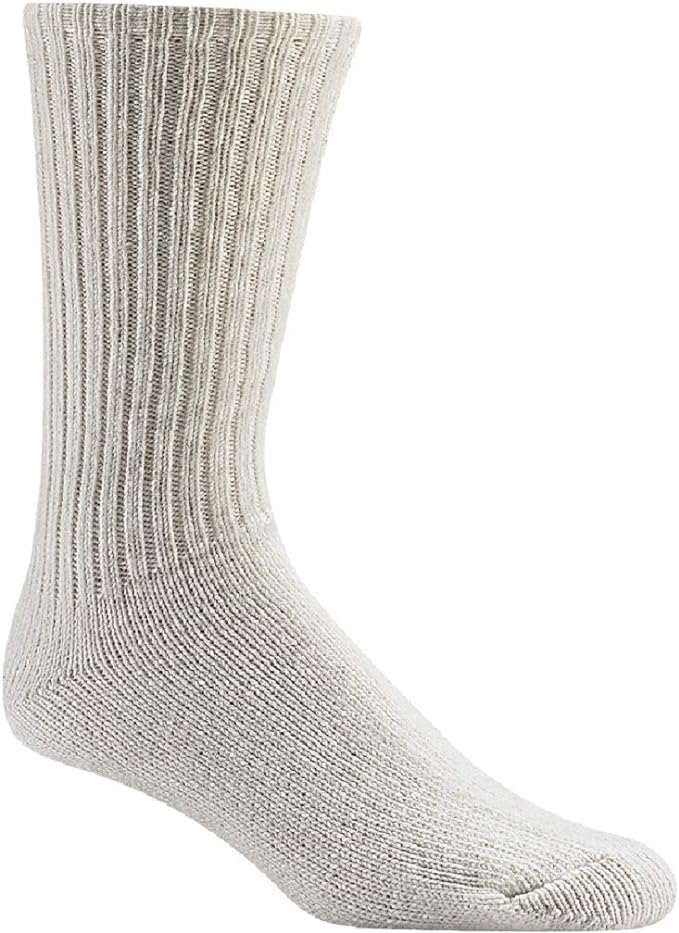
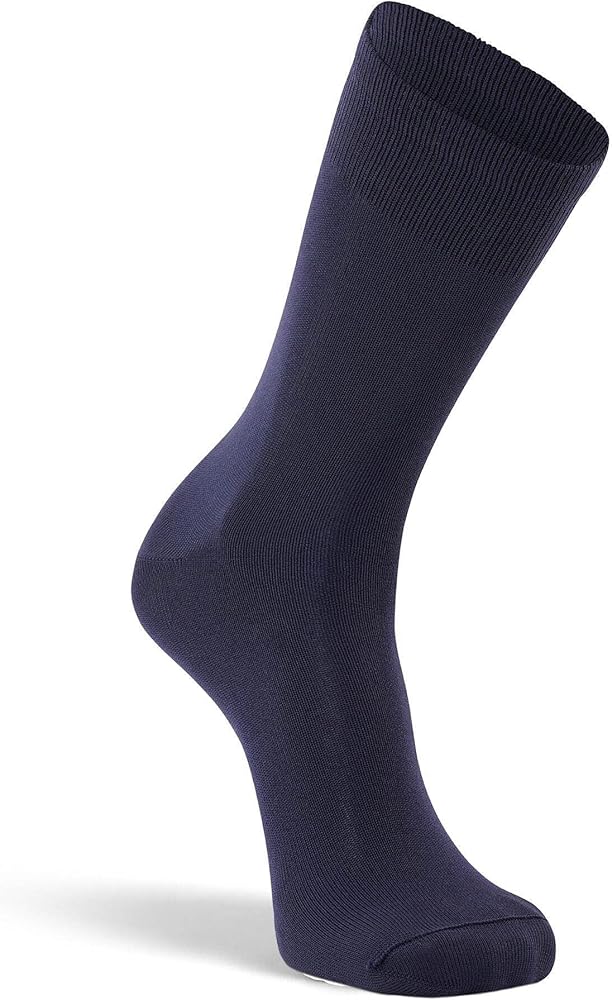
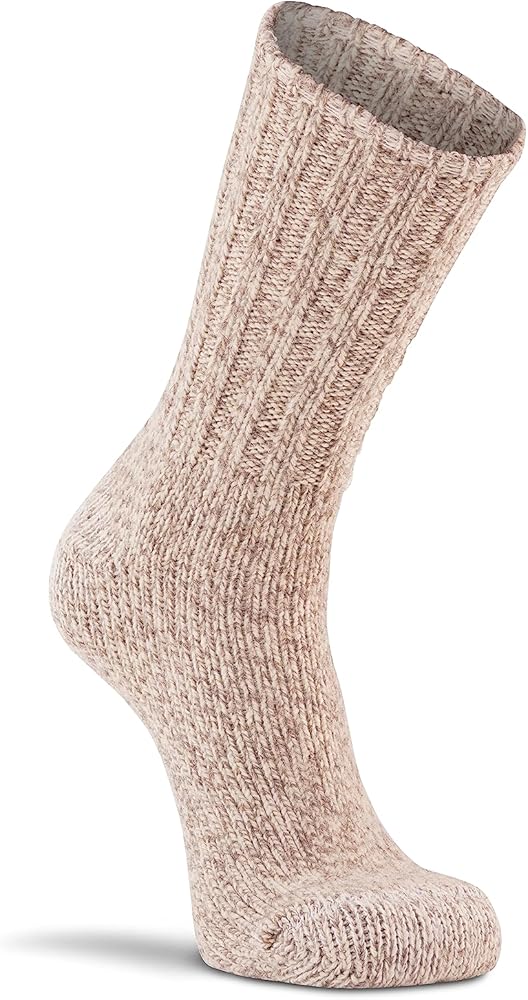
Wigwam has made socks in Sheboygan, Wisconsin since 1905. Their construction uses a range of fiber blends including merino, Coolmax polyester, and classic wool. The Cool-Lite Hiker series is a particularly strong product for warm-weather hiking — the construction manages moisture well without the weight of full wool. Wigwam doesn't offer a lifetime guarantee like Darn Tough, but the pricing reflects that and the quality is genuine.
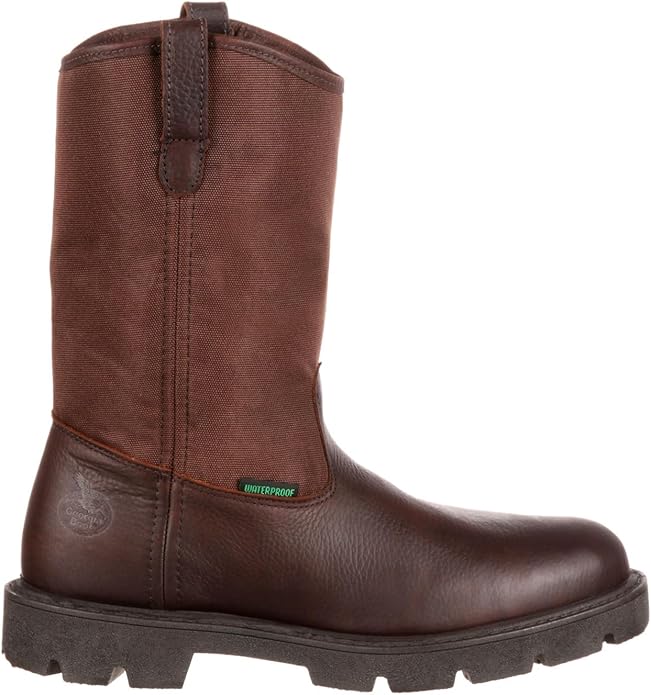
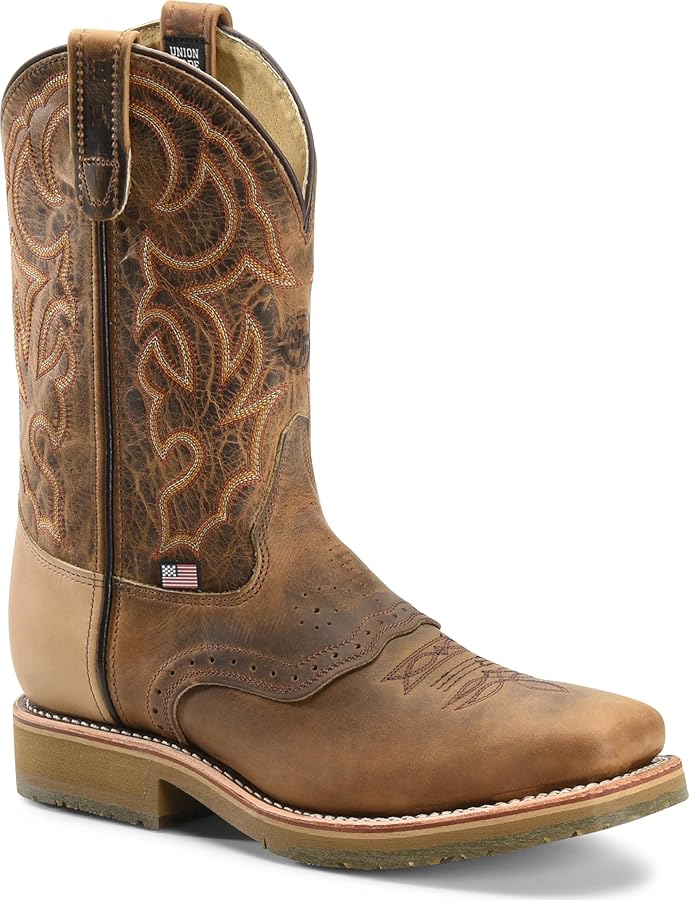
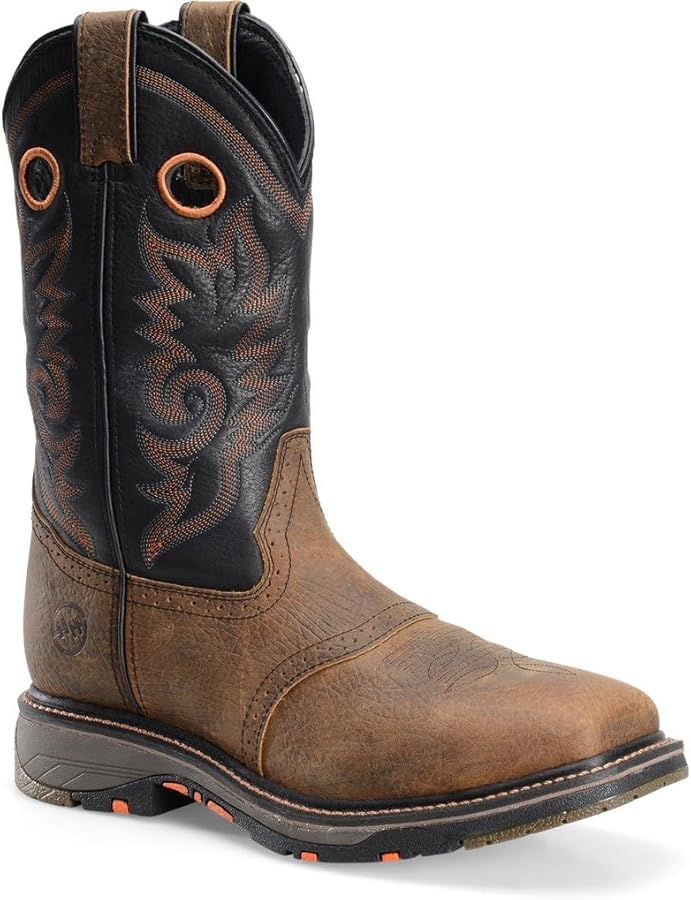
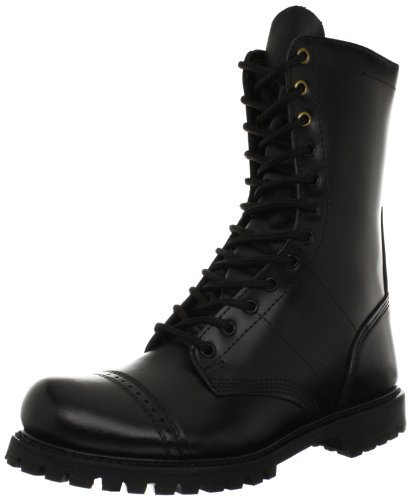
Work Boots: Thorogood and Red Wing Heritage
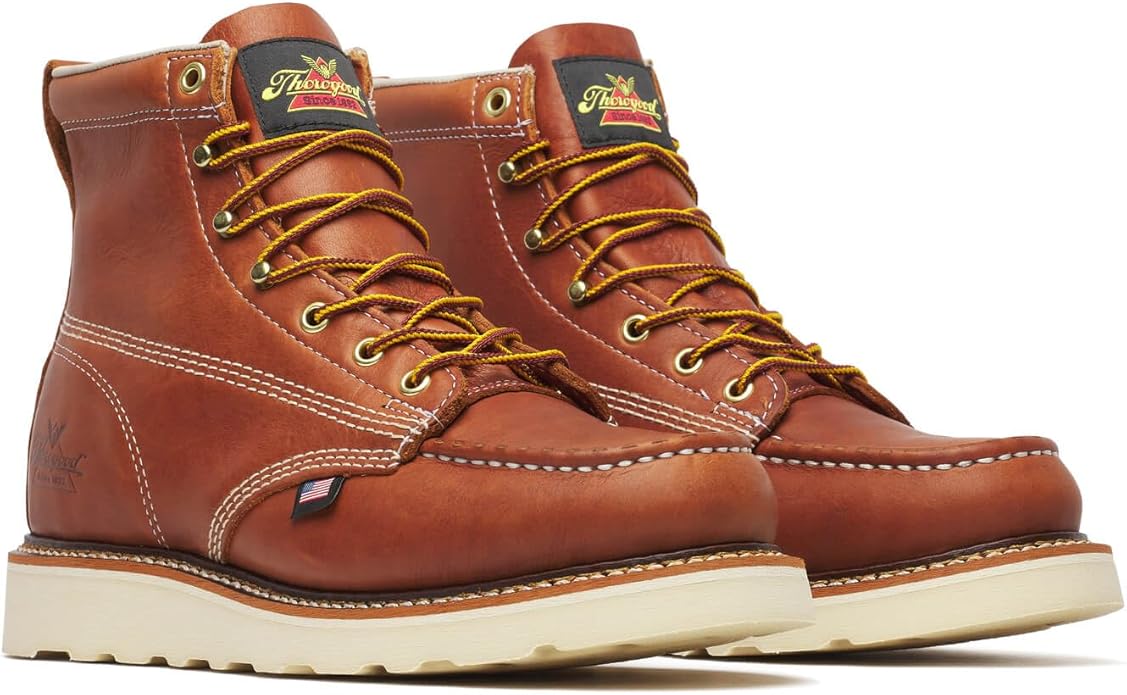
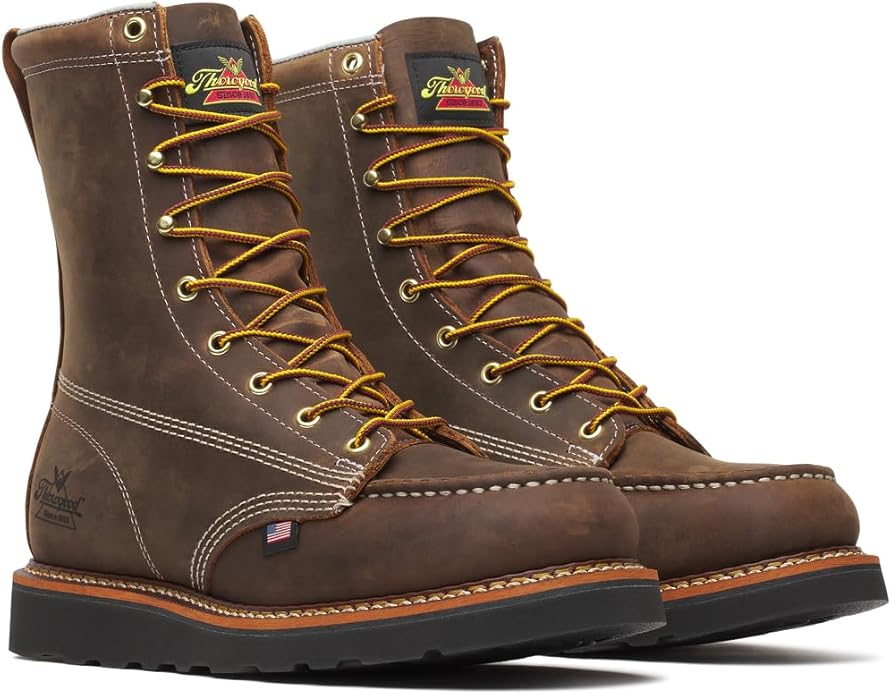
Thorogood boots are made in Merrill, Wisconsin by Weinbrenner Shoe Company, which has operated there since 1892. Their American Heritage line is constructed using Goodyear welt construction, which means the upper and outsole are joined by a welt stitch rather than glue — making the boots resoleable. A quality cobbler can resole a pair of Thorogoods multiple times, meaning a pair of boots bought today could last fifteen to twenty years with proper care. The leather is sourced from American tanneries where possible, and the Vibram outsoles are appropriate for general work environments including light electrical work (EH rated).
Red Wing Heritage makes boots in Red Wing, Minnesota. The Heritage line is the lifestyle-oriented branch of the Red Wing company — these are Goodyear-welted boots designed for all-day wear rather than the hardest industrial applications. The Iron Ranger and Moc Toe silhouettes are classic American boot designs that have been in continuous production for decades. Red Wing's leather tannery, S.B. Foot Tanning Company, is one of the few full-process domestic tanneries still operating.
For buyers choosing between Thorogood and Red Wing Heritage: if primary use is a job site or heavy outdoor work, Thorogood's American Heritage or 1957 series is the more purpose-built option. If you want a boot that transitions between work and everyday wear, Red Wing Heritage offers a cleaner aesthetic with comparable durability.
Workwear and Outdoor Apparel: Carhartt and Filson
Carhartt was founded in Dearborn, Michigan in 1889, and while much of their production has moved offshore over the decades, they maintain significant American manufacturing for several lines. Their duck canvas pieces — double-front work pants, bib overalls, and Detroit jackets — have a reputation built on genuine field use by farmers, contractors, and tradespeople. The triple-stitched seams and ring-spun cotton duck fabric are not design choices; they're engineering choices made for durability under physical labor.
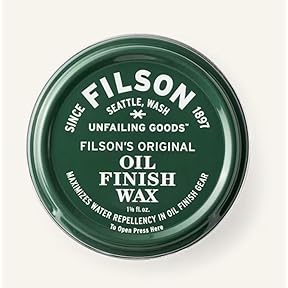
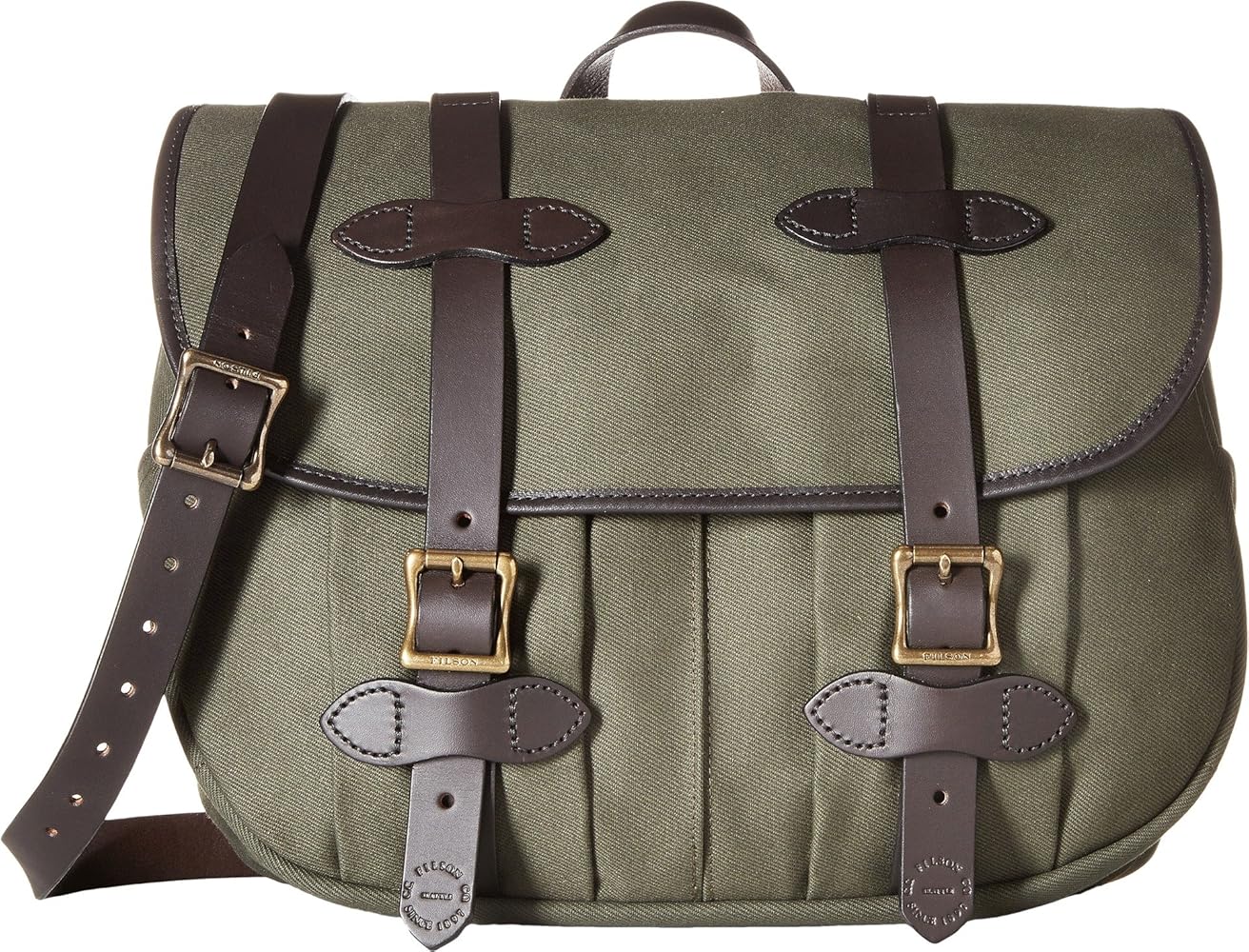
Filson has been making heavy-duty outdoor goods in Seattle, Washington since 1897. The brand's original customer was the Klondike Gold Rush prospector, and the philosophy hasn't changed: use heavier materials and better construction than you think you need, because the field doesn't offer easy repairs. The Tin Cloth line — waxed cotton oiled with a petroleum-based compound — is virtually waterproof without being breathable. The Rugged Twill line offers similar construction in a more manageable weight. Filson bags are made in Seattle from materials sourced to their specifications; the briefcases and tote bags are designed to outlast several ordinary bags.
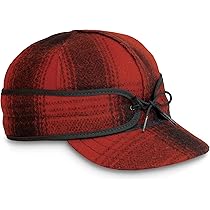
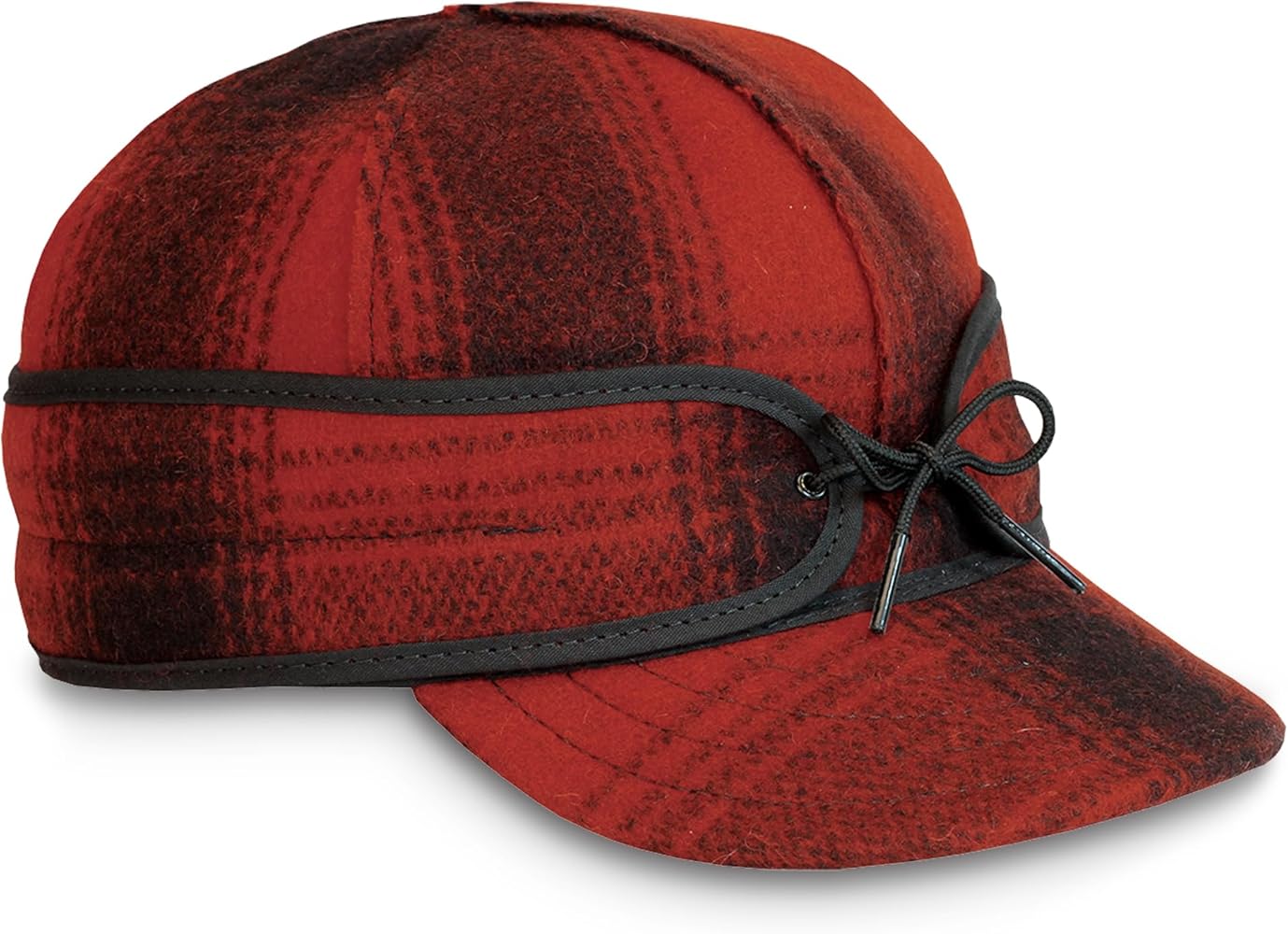
Stormy Kromer makes its signature wool caps in Ironwood, Michigan. The design — a six-panel wool cap with an earband and brim — was engineered for a railroad engineer named George Stormy Kromer in 1903 and has remained functionally unchanged. The wool is blended and the caps are cut and sewn domestically; the result is a genuinely warm, windproof hat for cold-weather work.
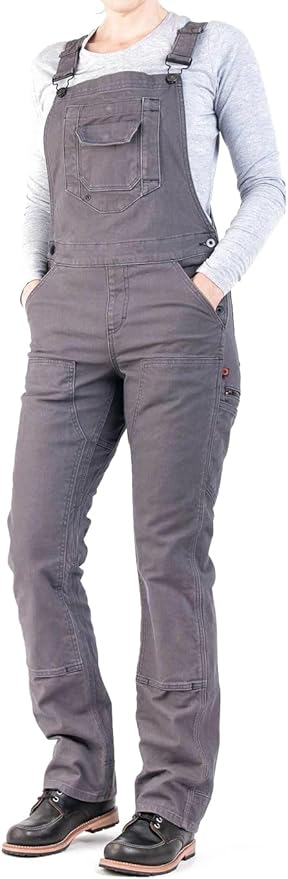
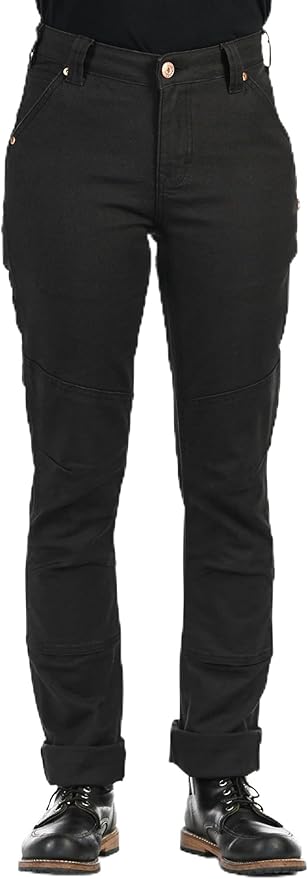
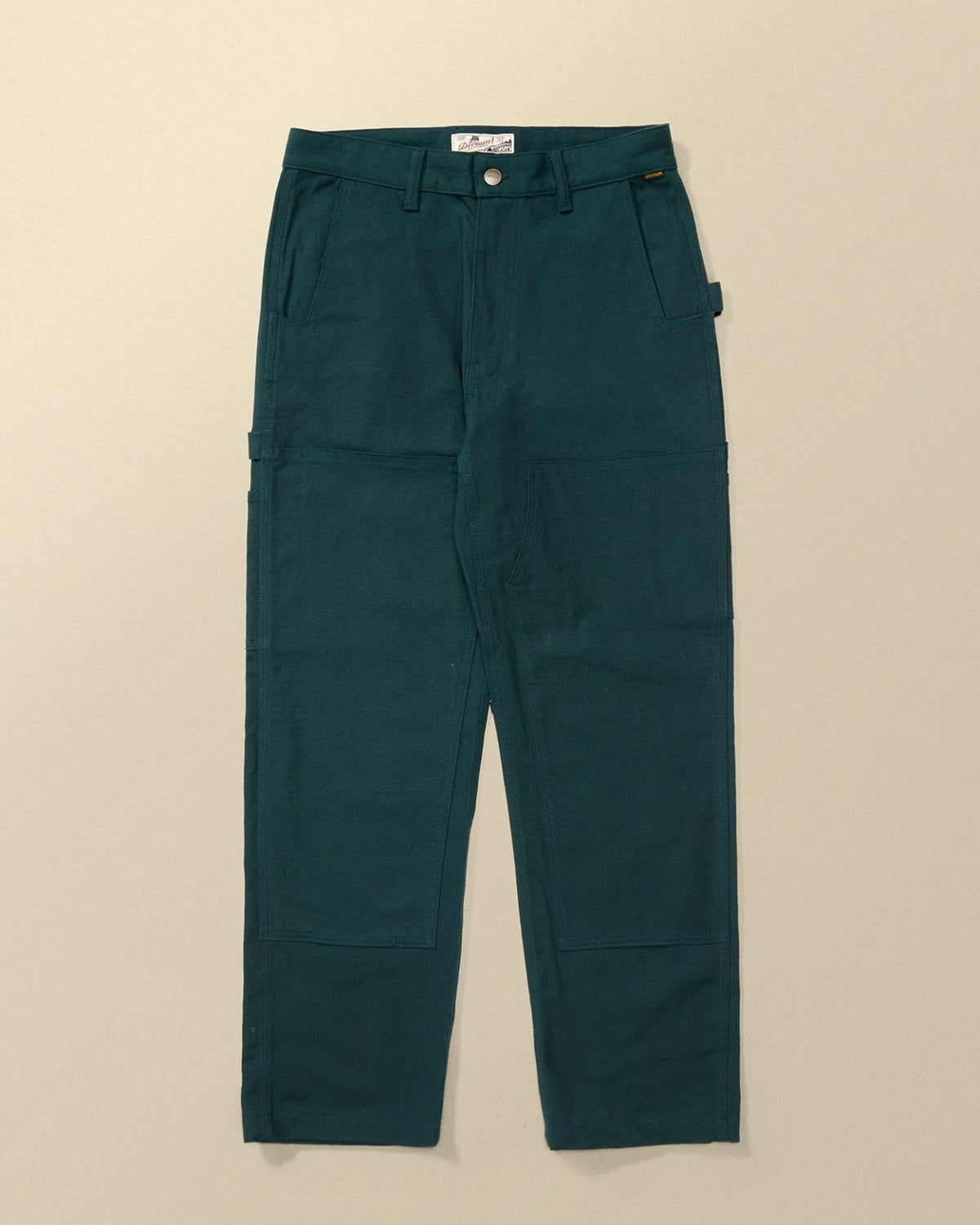
Devium, founded in 2015 in Truckee, California, takes the domestic-supply-chain standard further than almost anyone: every garment is 100% American made from fiber to tag — American-woven fabrics, thread, buttons, and zippers, cut and sewn at legacy small businesses across California, Missouri, New York, and North Carolina. Its yarn-dyed flannels, waxed-canvas jackets, and canvas work pants are made in small batches and backed by a lifelong repair-or-replace guarantee.
Athletic Footwear and Dress Shoes: New Balance, Chaco, and Allen Edmonds
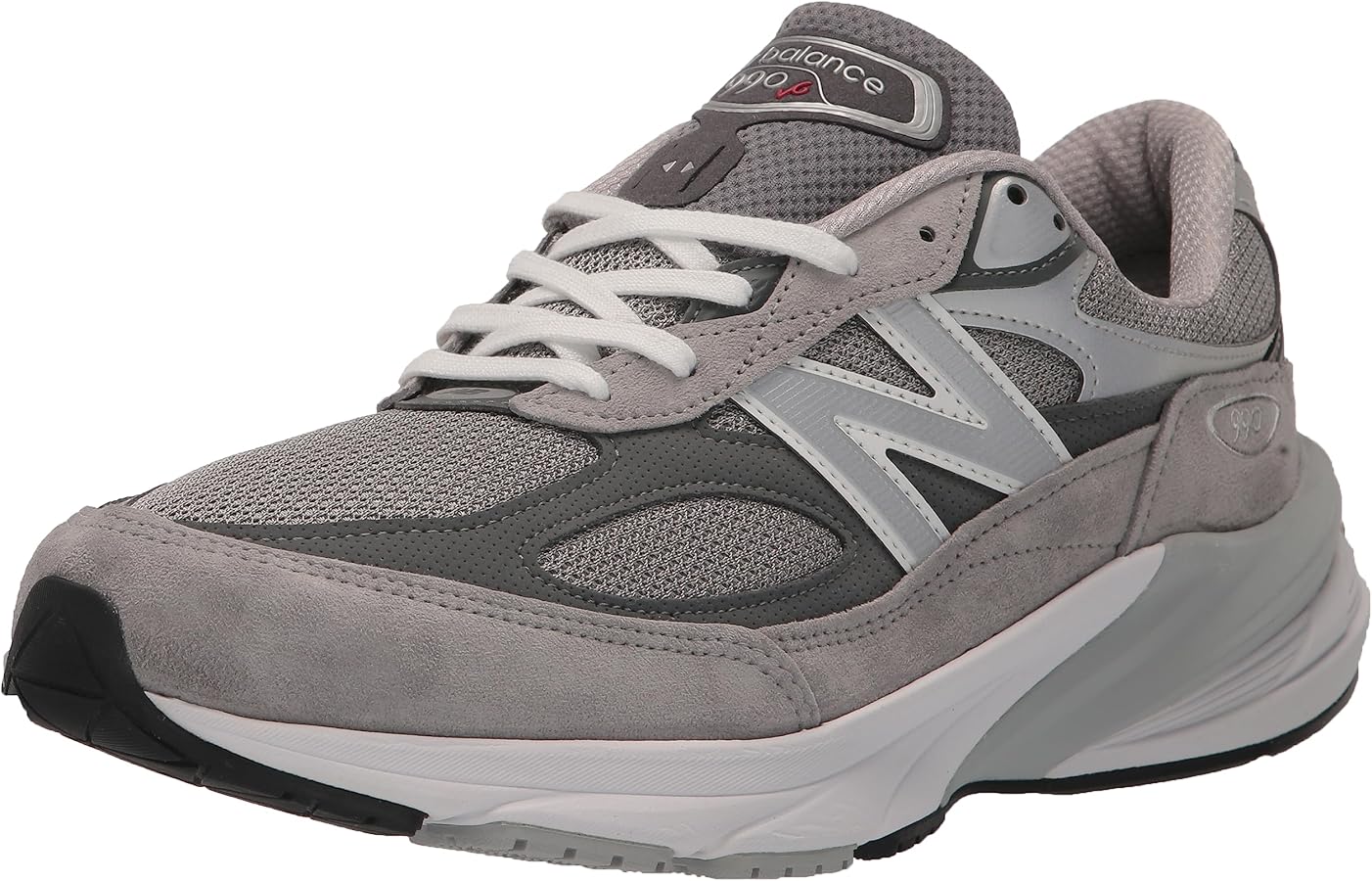
New Balance manufactures a subset of its running shoes in New England — facilities in Massachusetts and Maine account for a significant portion of their Made in USA production. The 990 series, introduced in 1982, remains the flagship American-made line; the 990v6 is built using domestic materials and labor. New Balance is candid about which models are US-made versus imported, which is more transparency than most athletic footwear companies provide.
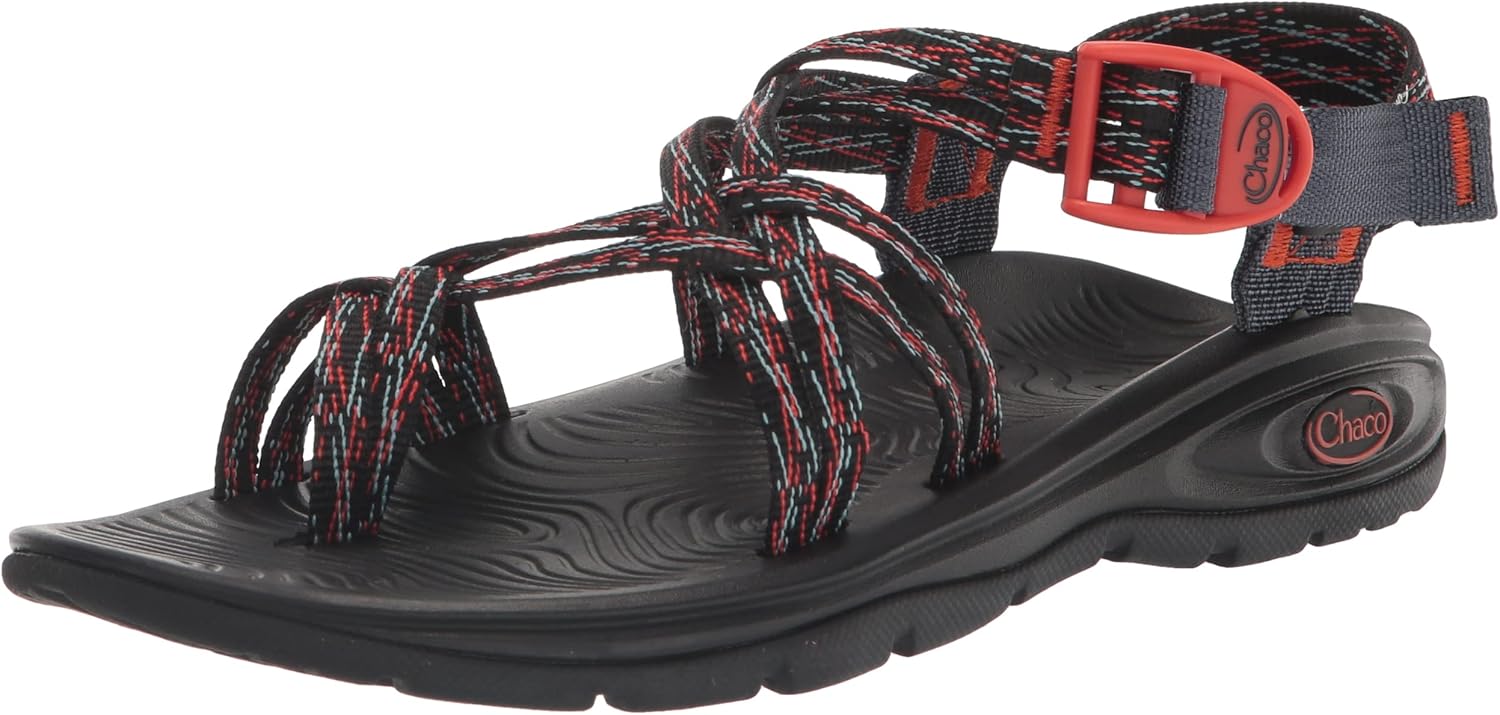
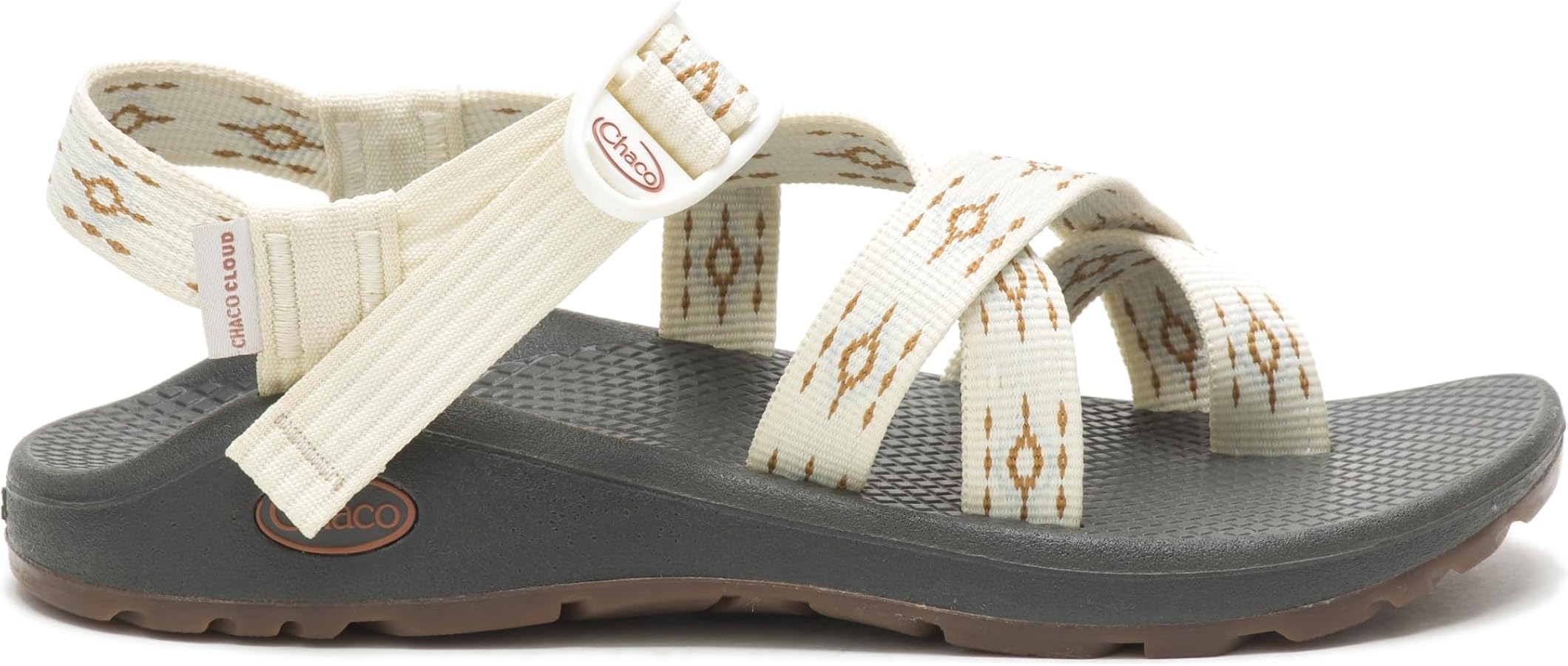
Chaco sandals are assembled in Rockford, Michigan. The Z/1 and Z/2 models use a single-piece polyester webbing strap that runs through the footbed rather than gluing at attachment points — this construction eliminates the most common sandal failure mode. The ChacoGrip rubber outsole is molded in Rockford and provides reliable grip on wet rock and trail surfaces. The fit adjustment via the strap system allows precise customization, which is why Chacos have a notably loyal following among hikers who've tried multiple sandal brands.
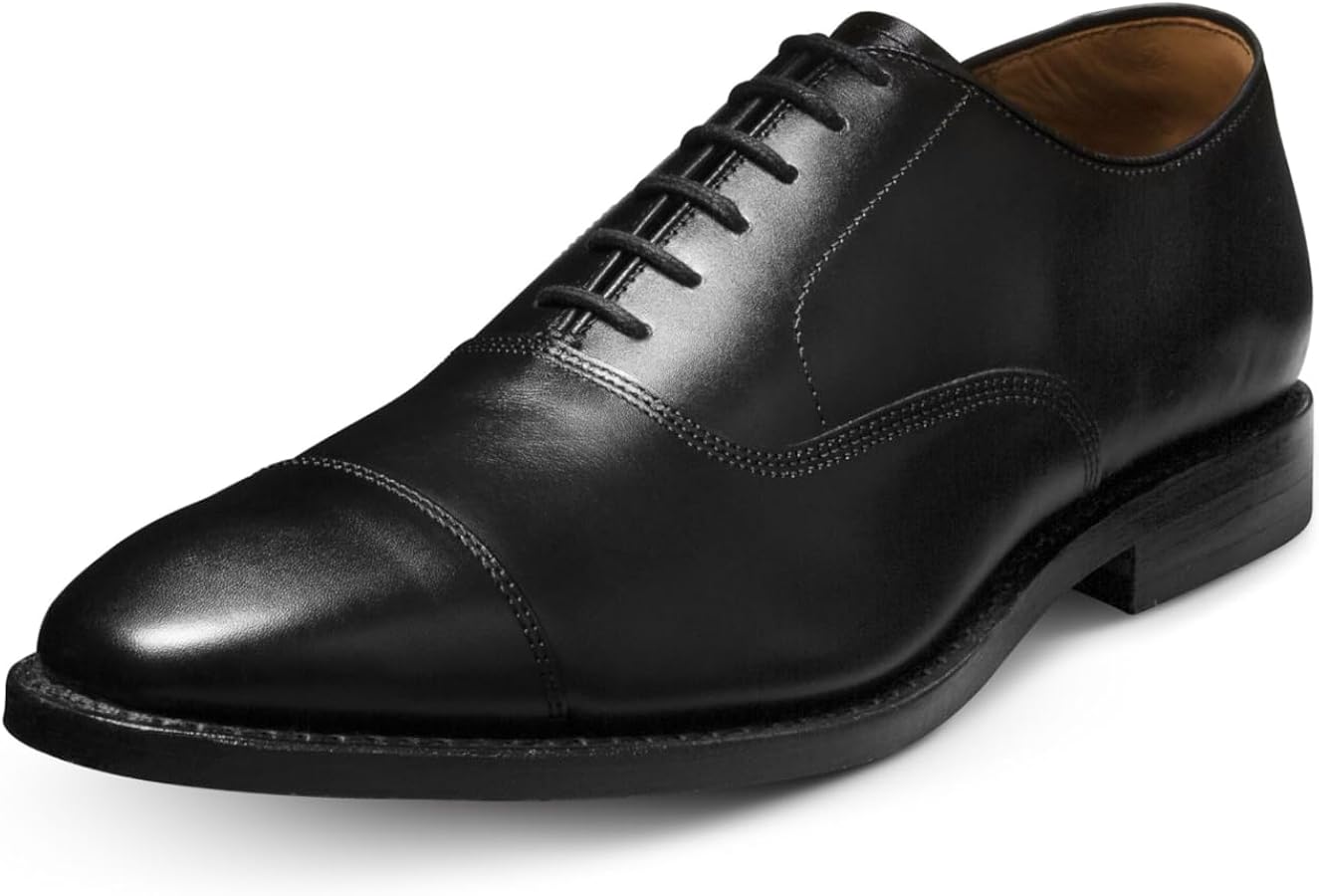
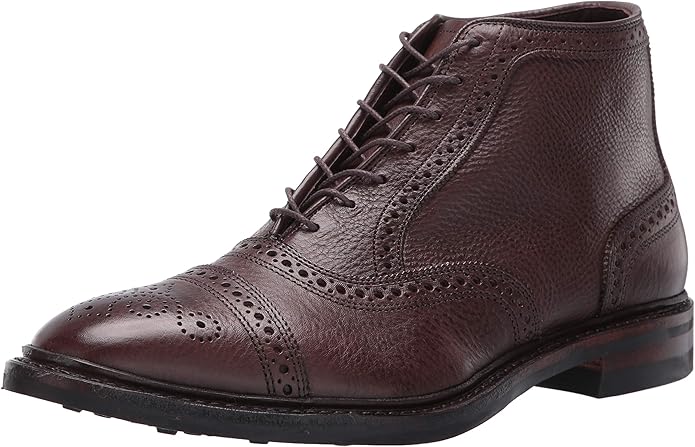
Allen Edmonds makes dress shoes in Port Washington, Wisconsin using Goodyear welt construction. Like Thorogood, this means the shoes are resoleable — a well-maintained pair of Allen Edmonds can last twenty years or more with periodic resoling. The company's "recrafting" service allows sending worn pairs back to the factory for a full rebuild. For buyers who wear dress shoes regularly, the per-year cost of a resoleable American shoe often beats the disposable imported alternative.
Hiking Boots: Danner and White's Boots
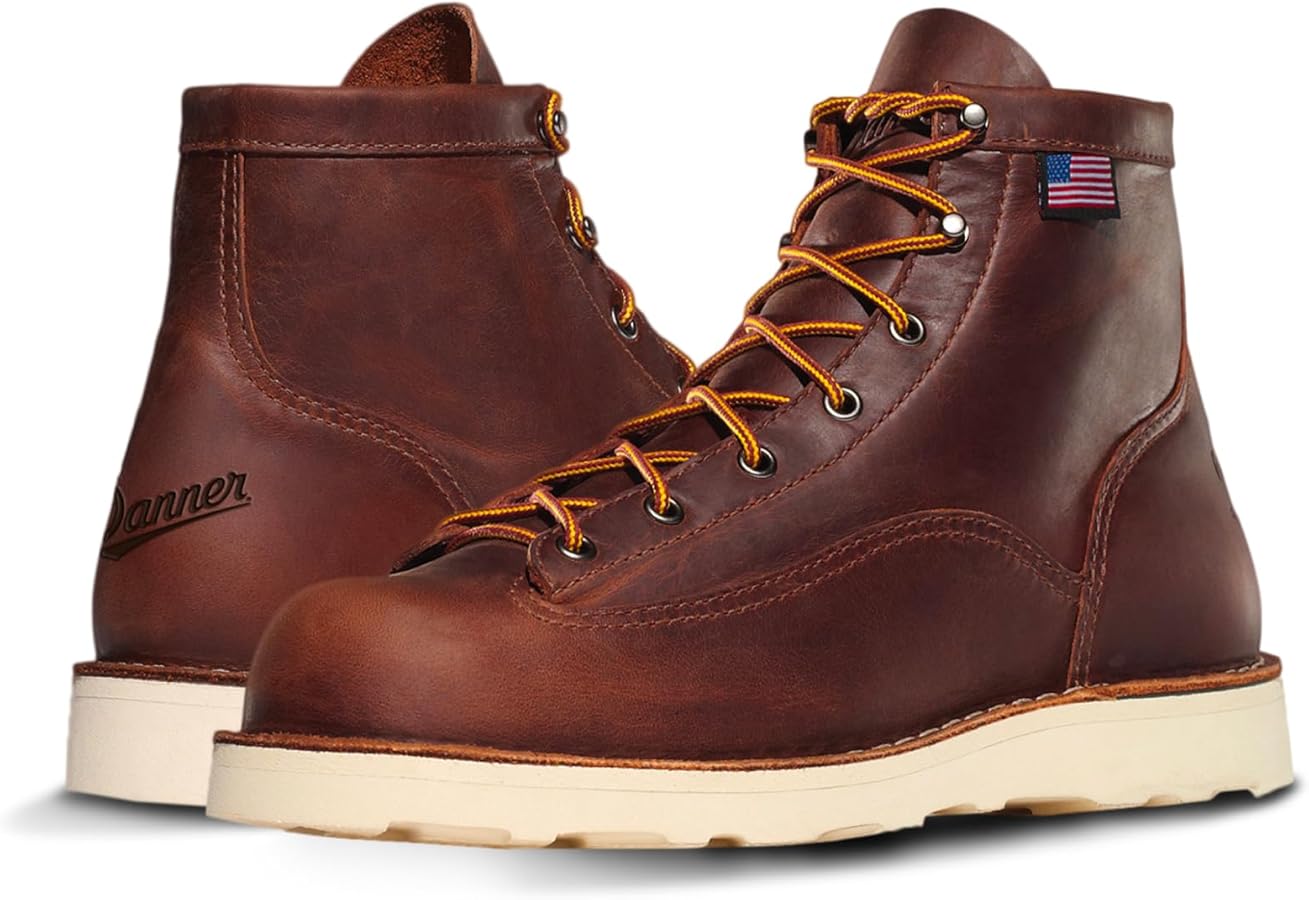
Danner has made boots in Portland, Oregon since 1932. Their Mountain Light and Quarry USA lines are built using Goodyear welt construction with full-grain leather uppers and a GORE-TEX lining — a combination that produces a boot with genuine waterproofing and resoling capability. Danner's stitch-down construction creates a lower-profile welt than most Goodyear-welt boots, which produces a boot that's more flexible underfoot without sacrificing resoling access.
Danner's Portland, Oregon factory produces the Made in USA lines; the company is transparent about which styles are domestic versus imported. The Mountain Light is the most recognized domestic product — it uses the original combination last that Danner developed for backpackers who wanted a boot narrow in the heel and wider in the forefoot. For buyers who spend significant time on trail or in wet field conditions, Danner's combination of GORE-TEX, quality leather, and domestic construction produces a boot worth the investment.
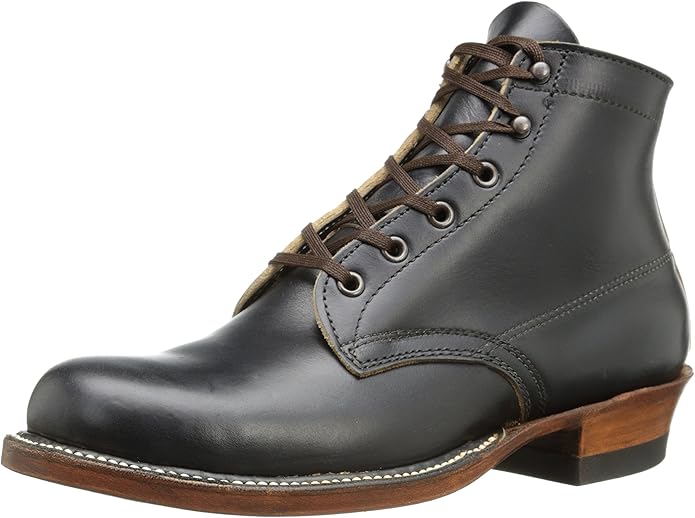
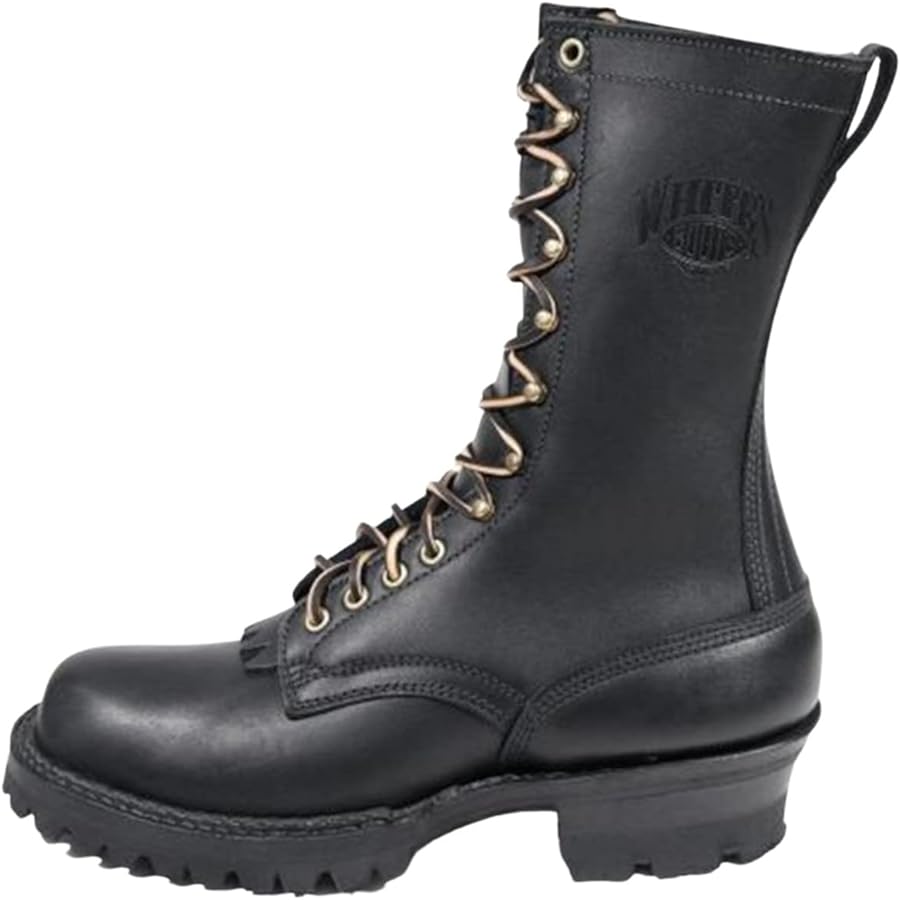
White's Boots has handcrafted premium leather boots in Spokane, Washington since 1853, making it one of the oldest continuously operating bootmakers in the United States. The company built its reputation supplying boots to loggers, firefighters, and smokejumpers who required footwear that would last under extreme conditions. White's boots are fully custom-built to the buyer's foot measurements and feature a heavy-duty welt construction resoleable many times over.
Workwear and Sandals: Round House and Rainbow Sandals
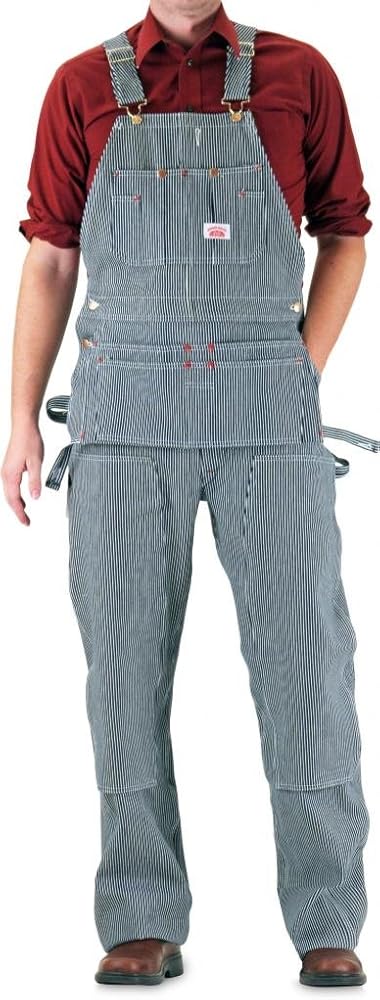
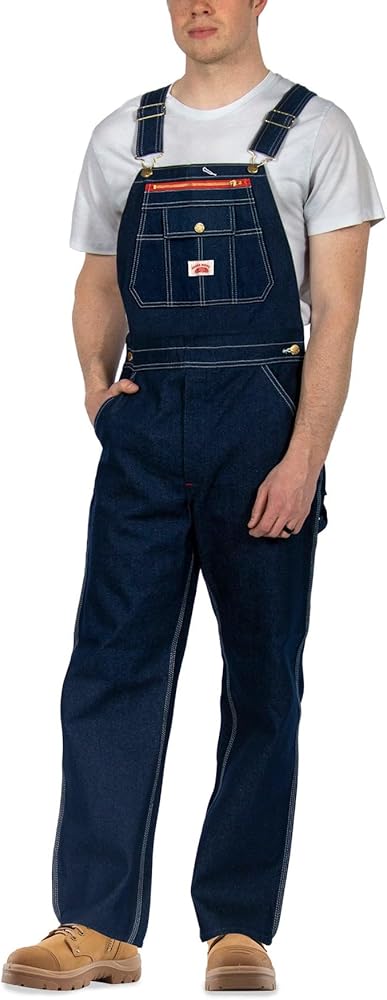
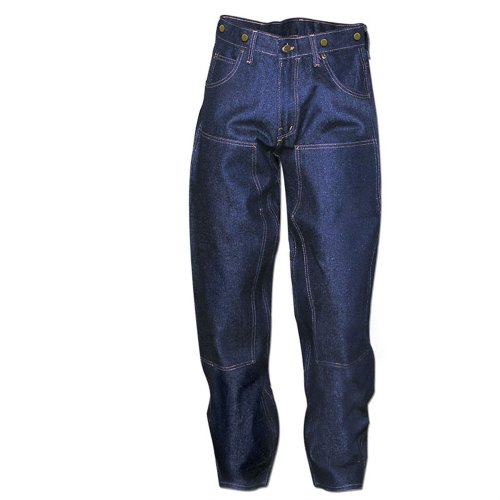
Round House Manufacturing has made overalls, jeans, and workwear in Shawnee, Oklahoma since 1903. Their denim bib overalls are cut and sewn in Oklahoma from American denim; the construction uses bar-tacking at stress points and heavy-gauge thread throughout. Round House is one of very few remaining American manufacturers producing full work overalls domestically — most competition in this category has moved offshore entirely. The overalls are sized generously and built for physical work rather than fashion, which means they fit differently than contemporary slim-cut denim.
Rainbow Sandals has made leather sandals in San Clemente, California since 1974. The founder, Jay Longley, began making sandals by hand and eventually built the San Clemente facility that continues domestic production today. Rainbow's single-layer and double-layer Premier Leather sandals use full-grain leather over a rubber sole with a layered neoprene arch support. The leather molds to the wearer's foot over the break-in period — the first week or two is uncomfortable, but the resulting custom fit is why Rainbow customers replace their sandals with the same model for decades. Hemp and recycled rubber options are also available for buyers who prefer non-leather materials.
Wool Socks: Farm to Feet
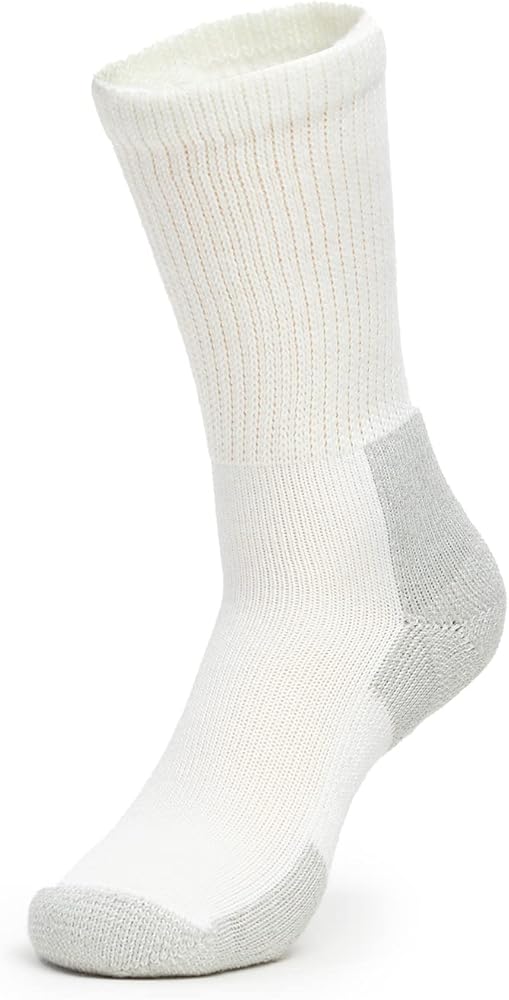
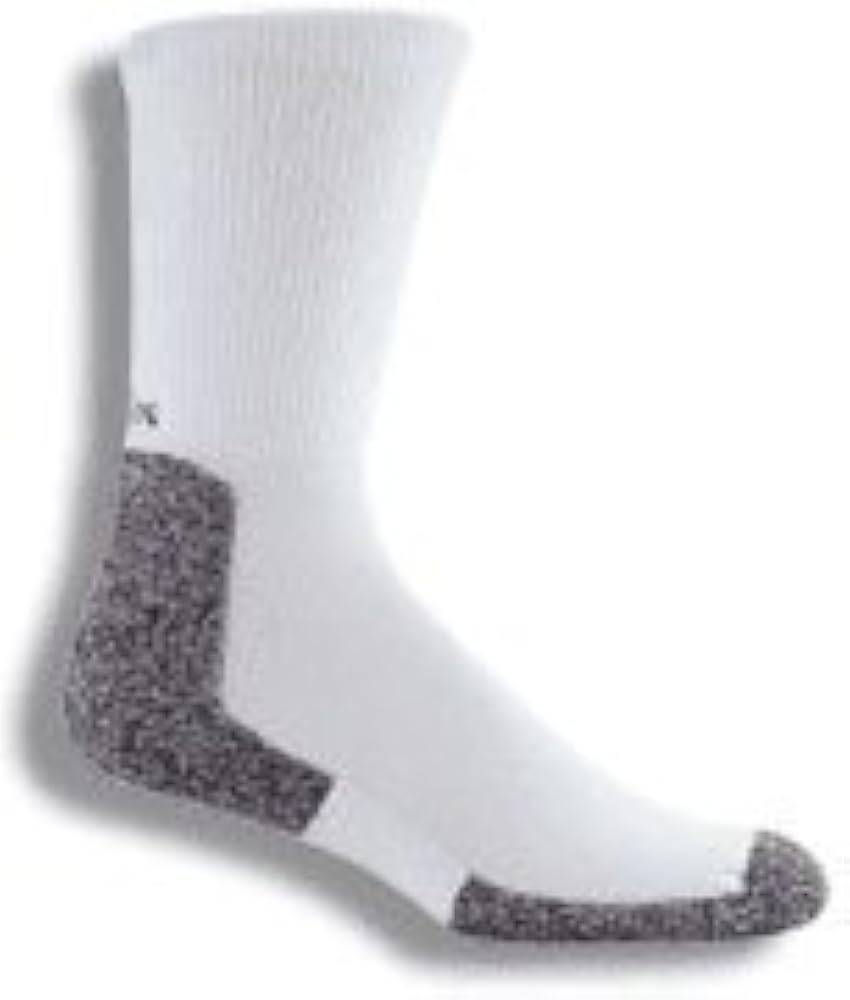
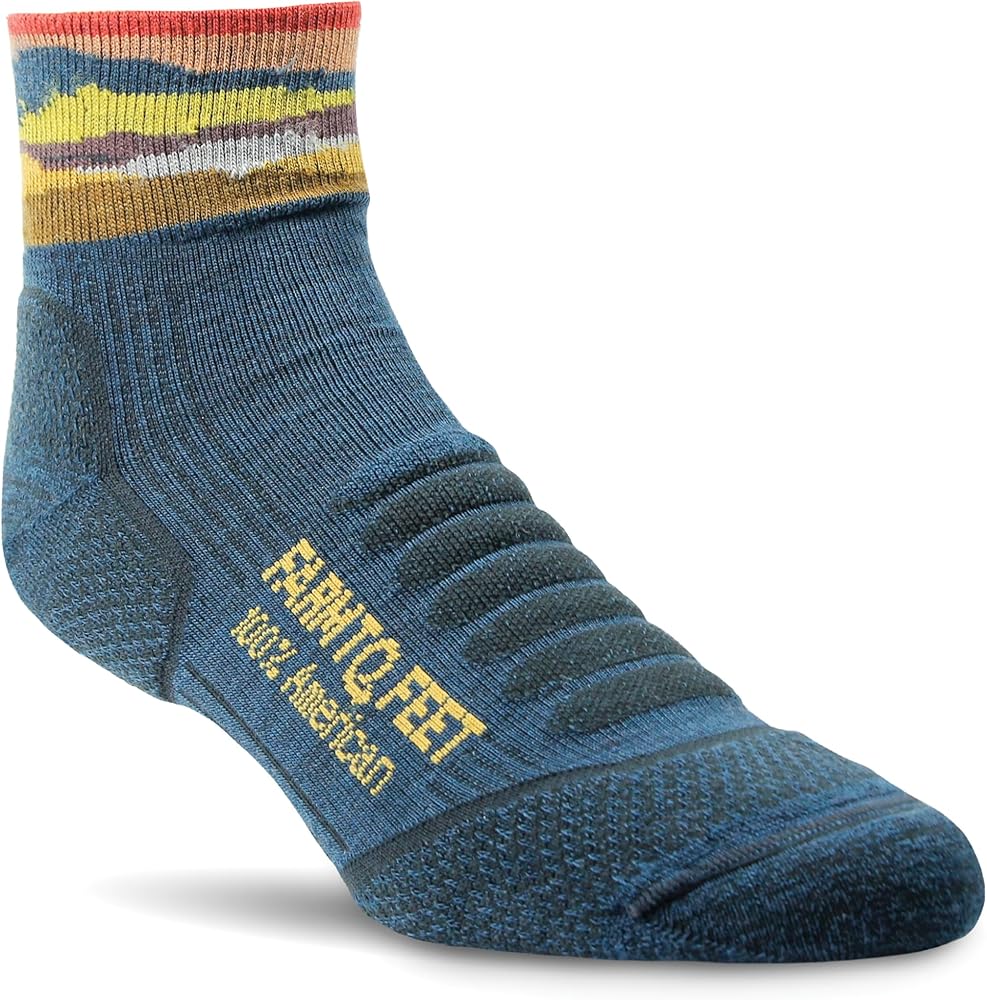
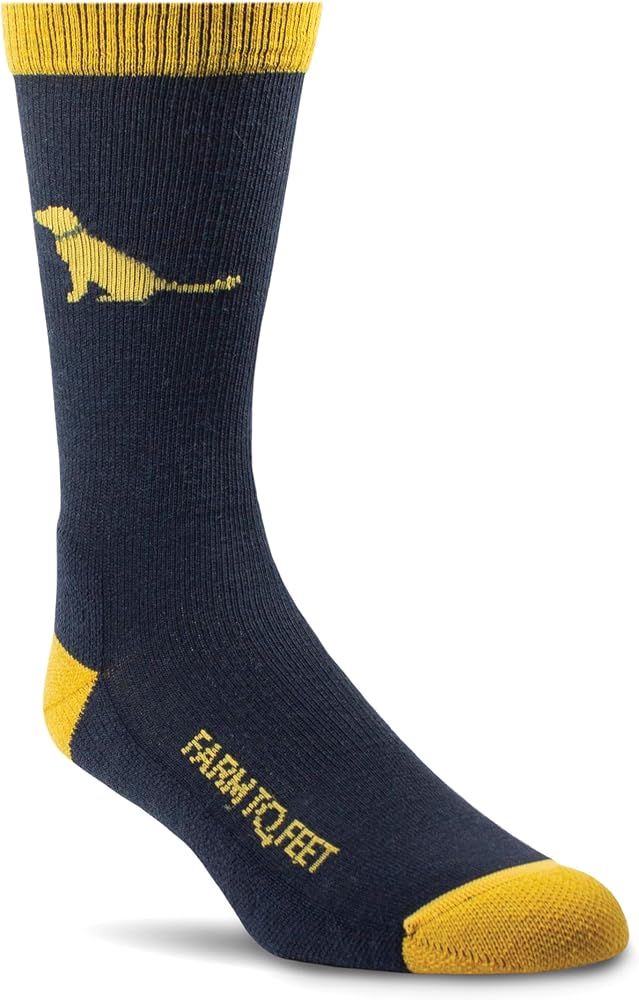
Farm to Feet makes merino wool socks in Mount Airy, North Carolina, with a fully domestic supply chain: the wool is sourced from American farms, yarn is spun in the US, and the socks are knit in North Carolina. This level of domestic traceability is rare in the sock category — most brands that claim American manufacturing source fiber internationally. Farm to Feet publishes the names of their fiber and yarn partners, which makes the supply chain claim verifiable rather than aspirational.
The Boulder crew and hiker series are the most practical Farm to Feet products for regular use. The merino wool provides the same temperature regulation advantages as Darn Tough and Wigwam — warmth without moisture retention — with the added weight of a fully American fiber chain. The socks are not as aggressively marketed as Darn Tough and are typically priced similarly; for buyers who specifically want American fiber in addition to American manufacturing, Farm to Feet is the clearest choice in the catalog.
Heavyweight American Fleece: American Giant
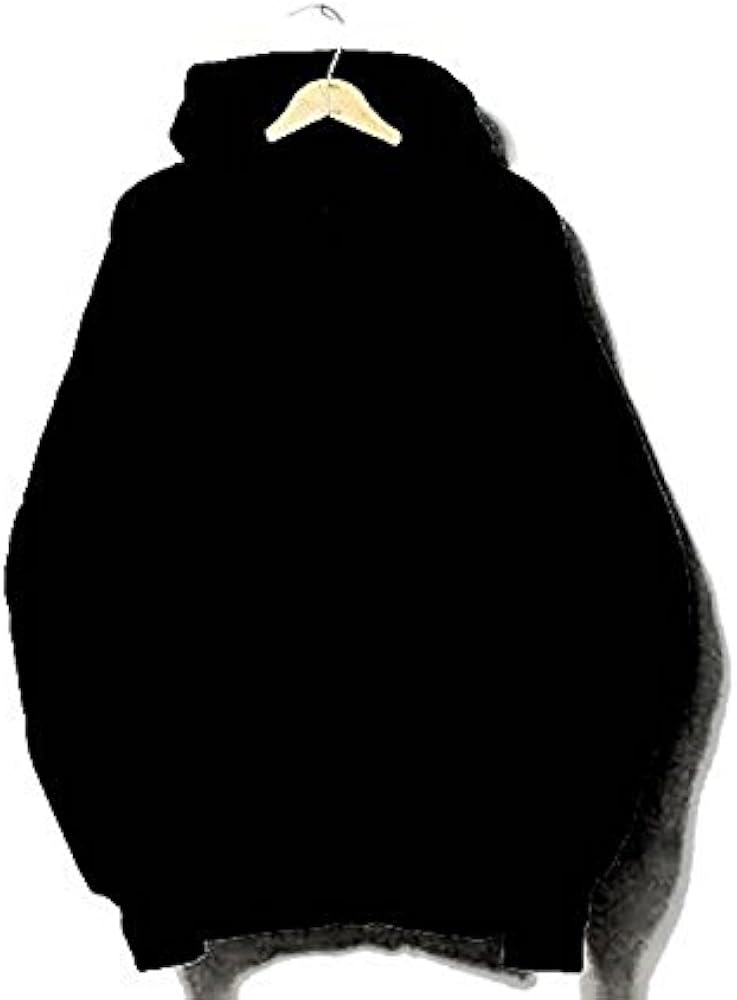
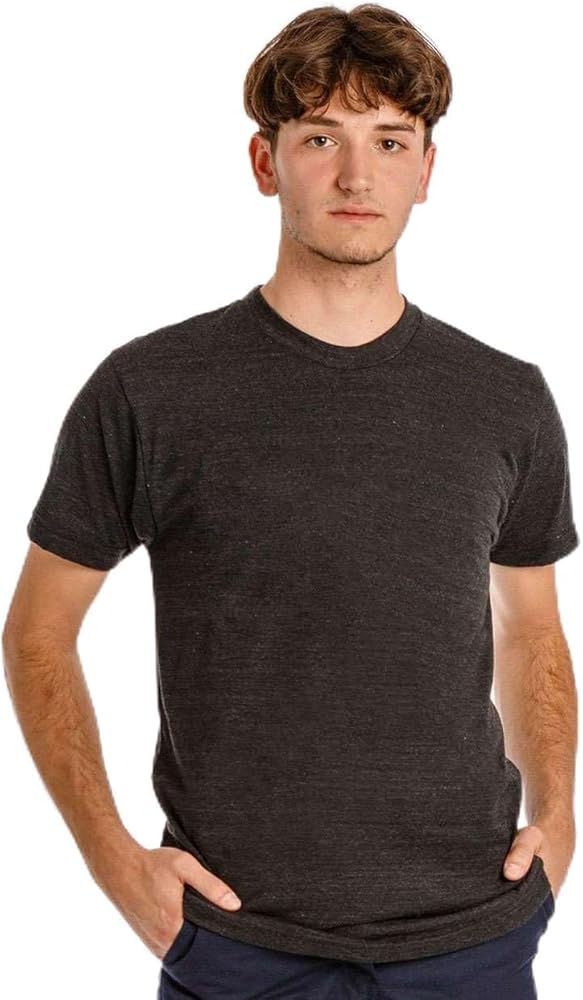
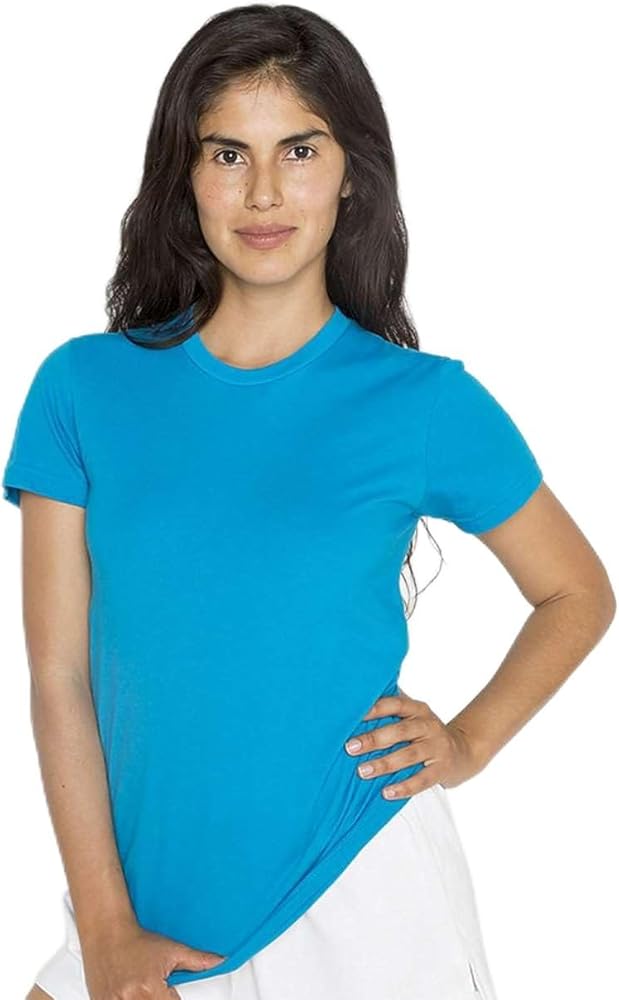
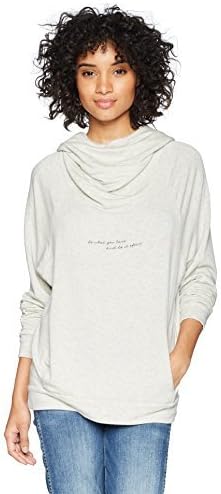
American Giant launched in 2012 with a single product — a heavyweight cotton pullover hoodie that a Slate article declared "the greatest hoodie ever made." The overnight attention exposed genuine demand for American-made quality clothing at accessible prices. The company has since expanded into tees, crewnecks, sweatpants, and activewear, but the heavyweight fleece remains the defining product.
American Giant uses 100% USA-grown cotton that is ring-spun, combed, and woven into a custom 13-oz fleece — roughly twice the weight of typical sweatshirt material. The hoodies are cut and sewn in US contract factories, primarily in North Carolina and California. The direct-to-consumer model is what makes the domestic supply chain economically viable: by eliminating retail markups, American Giant can use domestically grown and processed cotton without pricing the garments out of reach.
The Classic Pullover Hoodie involves over 100 separate construction steps and is built with a double-lined hood, brass grommets, flat drawcord, and reinforced ribbed cuffs. These construction details are borrowed from workwear and athletic gear rather than fast fashion — the result is a sweatshirt designed to last a decade with normal care rather than a season.
Cowboy Hats: Stetson
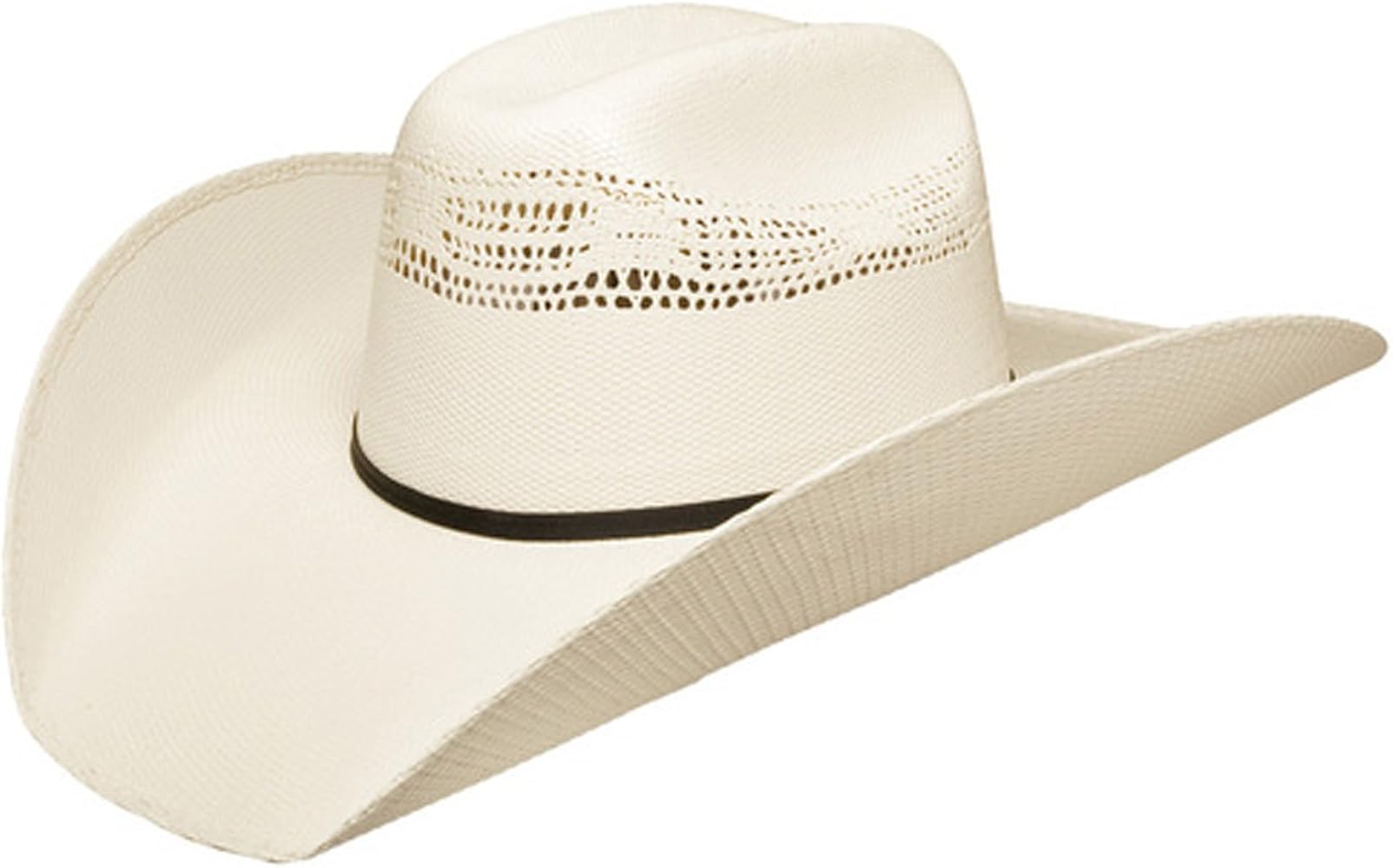
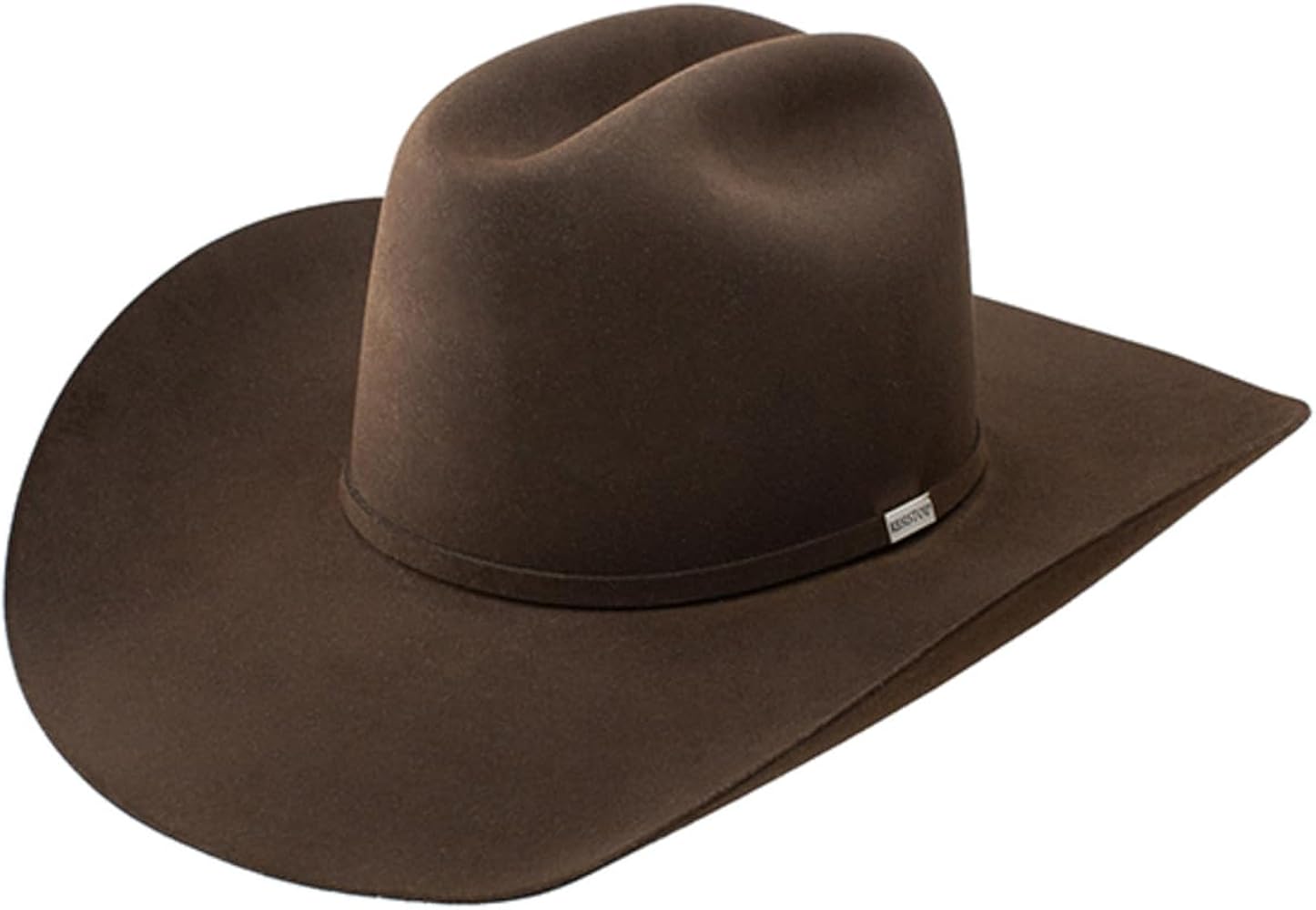
Stetson has made cowboy hats in the United States since 1865, when John B. Stetson developed the Boss of the Plains design for Western settlers who needed a hat built for the environment — wide-brimmed for sun and rain protection, made from durable felt that shed water without losing its shape. The Garland, Texas manufacturing facility continues domestic felt and straw hat production, making Stetson the most direct link between the original American cowboy hat and current production.
Stetson felt hats use a blend of rabbit and beaver fur fibers processed through traditional felting. The grade system — 4X, 6X, and higher — indicates the proportion of beaver fur, which is finer and more water-resistant than rabbit. Higher-grade hats have better moisture resistance and more refined drape, and are worth the premium for buyers who will wear the hat in wet conditions or who want the surface quality that distinguishes a premium felt hat on visual inspection. For ranch work, Western events, or anyone who wants the hat that defined American Western style from a manufacturer with 160 years of uninterrupted domestic production, Stetson remains the definitive choice.
Browse All Clothing & Apparel Products
See all 494 verified American-made clothing & apparel products in our catalog.
Frequently Asked Questions
Does Darn Tough really replace socks for life?
Yes. Darn Tough's unconditional lifetime guarantee replaces any pair that develops a hole, wears through, or fails for any reason. You register the purchase online and mail back the worn pair; they send a replacement. The company processes these claims routinely and doesn't require proof of purchase after initial registration.
Are Carhartt products made in the USA?
Some are, some aren't. Carhartt manufactures certain lines domestically — primarily heavy duck canvas workwear. Other products, particularly fleece and lighter-weight apparel, are made overseas. Look for the 'Made in USA' tag or check product listings specifically; Carhartt doesn't apply the label inconsistently.
What makes Goodyear welt construction worth the premium?
Goodyear welt boots and shoes are constructed so the upper and sole can be separated and the sole replaced. A quality cobbler can resole Goodyear welt boots multiple times, turning a $300-400 boot investment into footwear that lasts a decade or more. Cemented or directly-attached soles cannot be resoled and are effectively disposable.
Which New Balance models are made in the USA?
The 990, 991, 992, 993, and 1540 series are the primary Made in USA running shoes. New Balance labels domestically produced shoes clearly on the box and product page. The Made in USA models are assembled in Massachusetts and Maine using domestic and imported components.
How long does Rainbow Sandals break-in take?
Rainbow Sandals' full-grain leather models typically take one to two weeks of regular wear to fully conform to your foot. The leather softens and the footbed compresses to match your arch. Some buyers find the first few days uncomfortable until the leather loosens. The break-in period is the trade-off for the custom fit that makes Rainbow Sandals so durable and comfortable long-term.
What makes Farm to Feet different from other American-made sock brands?
Farm to Feet sources wool from American farms and spins yarn domestically before knitting the socks in North Carolina — a fully American supply chain. Darn Tough and Wigwam knit domestically but source merino wool internationally (primarily from New Zealand). For buyers who specifically want American fiber, Farm to Feet is the verifiable domestic-from-fiber-to-finished-sock option.
Are Red Wing Heritage boots resoleable?
Yes. Red Wing Heritage boots use Goodyear welt construction, meaning they're resoleable by any qualified cobbler. A resoled Red Wing can have 5-10+ years of additional life. The upfront cost is higher than cemented boots, but the per-year cost becomes significantly lower over time if you actually resole them rather than replacing them.
What's the best Thorogood boot for electrical work?
Thorogood's American Heritage line includes EH (electrical hazard) rated boots suitable for light electrical work. The 1957 and 2414 series are the most popular electrical work options. EH-rated boots are required for specific electrical hazards; if you're working with live circuits, verify the boots are certified for your specific application.
Is Filson clothing actually worth $300+ for a jacket?
Filson's Tin Cloth is virtually waterproof without modern fabric technology and is built from materials that soften and improve with age. A Filson jacket is engineered to outlast ten ordinary jackets. The per-year cost over 20 years of use is actually economical. The upfront sticker shock is real, but the long-term value proposition is sound.
How long do New Balance 990 shoes last?
New Balance 990s are resoleable if damaged but aren't designed for resoling like heritage boots. Most runners get 400-600 miles before needing replacement. For casual wear (not running), they typically last 2-3 years. The longevity depends heavily on use; daily casual wear lasts longer than running.
Can you actually hike in Chaco sandals?
Yes. Chaco sandals are engineered specifically for hiking and trail use. The webbing strap system provides excellent ankle support and foot positioning. For technical hiking on rough terrain, many experienced hikers prefer Chacos over boots because the foot movement and grip are superior. Casual hikers should break them in at home first — they're not immediately comfortable.
Which is better for work: Danner or White's Boots?
Danner boots are more accessible (made in Portland with good availability) and suitable for most outdoor work. White's Boots are fully custom-made in Spokane with a significant wait time. For production-line availability, Danner. For premium handcrafted quality and full customization, White's is unmatched. Danner uses GORE-TEX; White's does not.
How do you care for Filson wool apparel?
Filson Tin Cloth and wool items require minimal care. Tin Cloth can be spot-cleaned and naturally repels water. Wool items should be dry-cleaned or hand-washed in cold water with wool-specific detergent. The patina that develops with age is part of the intended aesthetic — scratches and scuffs are features, not defects.
Are Danner boots good for rocky hiking?
Yes. Danner Mountain Light and Quarry USA boots are engineered for rocky, technical terrain. The Vibram Frostby sole provides excellent grip on rock and the GORE-TEX lining keeps feet dry. For hikers who encounter lots of stream crossings or wet conditions, Danner's combination of waterproofing and resolability makes them worth the investment.
Should you buy Allen Edmonds if you wear dress shoes daily?
Yes. If you wear dress shoes more than two days a week, Allen Edmonds' resolability and recrafting service make them the economical choice. The per-year cost of a properly maintained pair over 15-20 years is substantially lower than buying cheaper shoes every few years. They also age beautifully — the leather develops a personal patina.