Best American-Made Tools & Hardware
Pliers, wrenches, hammers, and multi-tools forged and assembled in the USA — the brands professionals reach for by choice.
Quick Answer
The best American-made hand tools include Channellock pliers from Meadville, Pennsylvania (since 1886), Estwing hammers from Rockford, Illinois (since 1923), and Klein Tools electrical equipment from Chicago, Illinois (since 1857).
Last updated: April 2026
Made in USA Tools & Hardware: by the numbers
- 602 verified American-made tools & hardware products from 97 U.S. brands in our catalog, each checked against factory locations and manufacturer statements.
- Top manufacturing states for these brands: Pennsylvania (10 brands), Illinois (7 brands), Ohio (6 brands).
- U.S. manufacturing employed 12.6 million Americans as of May 2026 (U.S. Bureau of Labor Statistics), and 70% of consumers say buying American-made matters to them (DuraPlas survey, Feb 2025).
Catalog figures recompute at every site build. More data and sources on our American manufacturing statistics page.
Quick Comparison
Pliers and Hand Tools: Channellock and Klein Tools
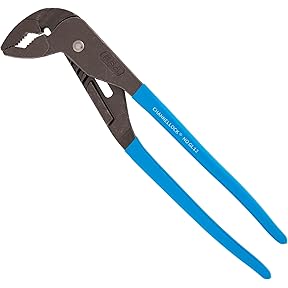
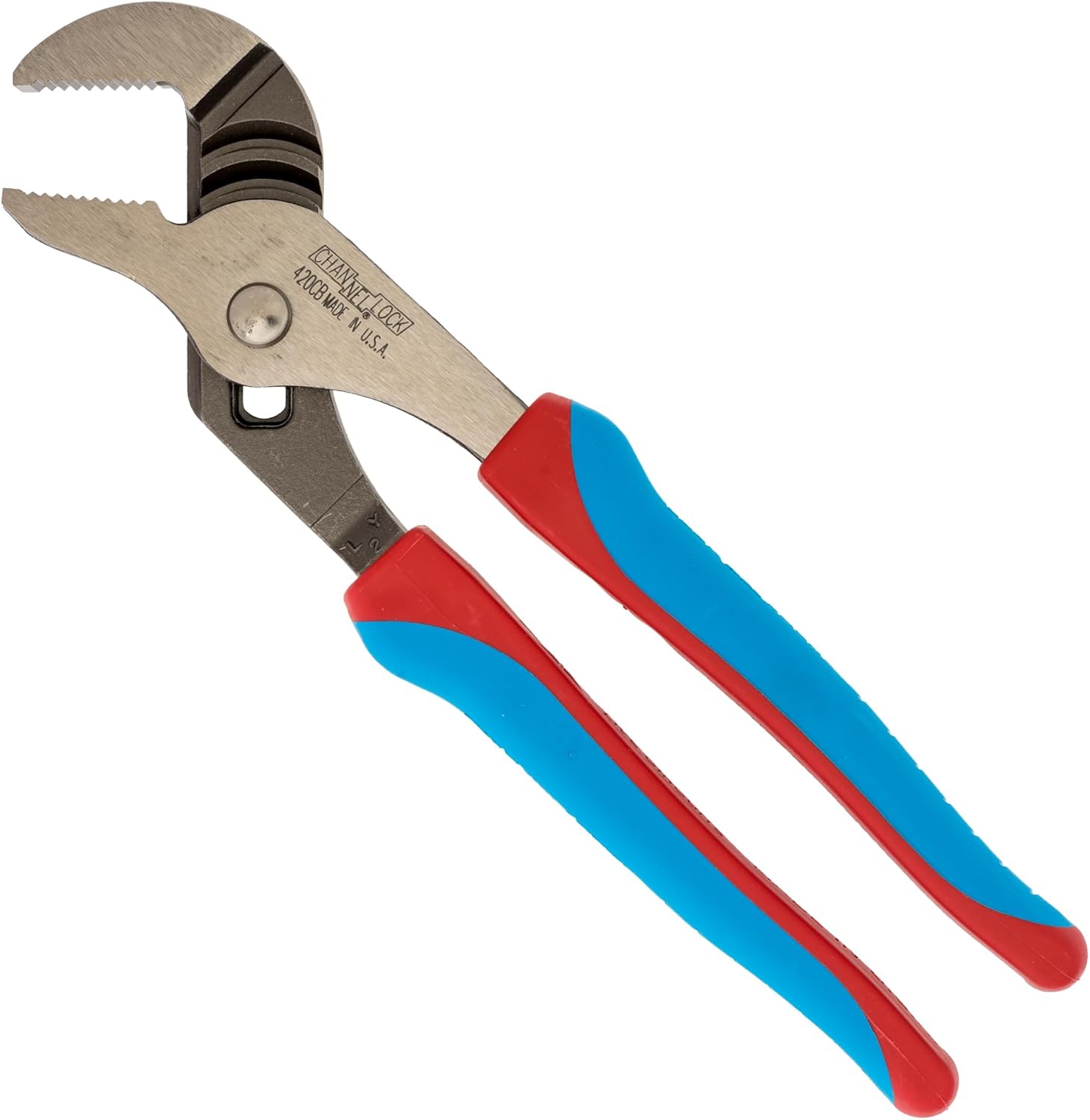
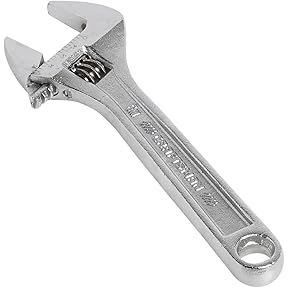
Channellock has manufactured pliers in Meadville, Pennsylvania since 1886. The brand name has become so synonymous with tongue-and-groove pliers that many tradespeople use "channellock" as a generic term — which is either a burden or a compliment depending on how you look at it. The company stamps, machines, and assembles in Meadville using steel bar stock; the manufacturing process has been refined but not fundamentally changed in over a century. The Channellock blue grips are a deliberate design marker, made from a proprietary material the company calls Permalock.
Klein Tools has made electrical tools in the Chicago area since 1857, though manufacturing is now spread across several US facilities. Their lineman's pliers, wire strippers, and screwdrivers are standard issue for electricians throughout North America. Klein's advantage is specialization: where Channellock focuses on pliers, Klein has engineered a complete ecosystem of tools for electrical work, telecom, and general construction. The quality control is notably consistent — professionals who buy Klein at the start of their career often retire with the same brand.
For a home workshop, two or three Channellock pliers (needle-nose, tongue-and-groove, and diagonal) combined with a Klein screwdriver set covers the majority of household repairs. The upfront cost is higher than imported options but the tools last decades without play developing in the joints.
Hammers and Striking Tools: Estwing
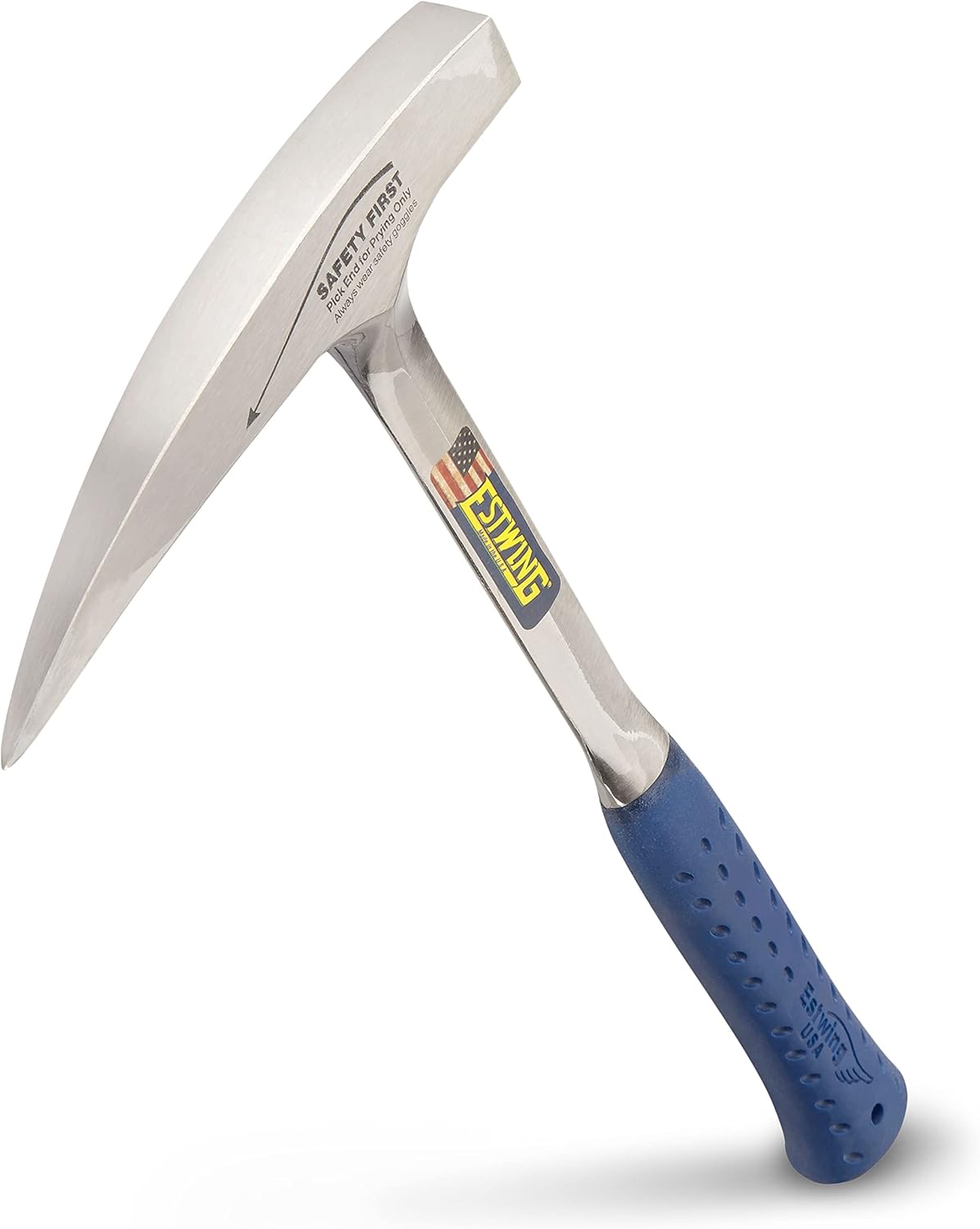
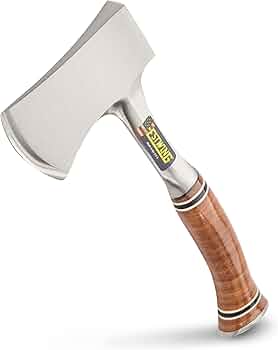
Estwing has made hammers in Rockford, Illinois since 1923. The defining characteristic of an Estwing is one-piece steel construction: the head and handle are forged from a single billet, then the handle is covered with a nylon vinyl grip. There are no wood or fiberglass joints to fail, split, or loosen. This construction makes Estwing hammers indestructible under normal use — the company has decades of stories about Estwings being recovered from demolished buildings still functional.
The shock-absorption question is worth addressing honestly: a solid steel handle transmits more vibration than a wood or fiberglass handle, which is why some professional framers prefer wood-handled hammers for full-day nailing. But for general use — household repairs, light construction, driving stakes — the difference is negligible. The Estwing E3 series is the standard line; the Ultra series adds a different grip material that absorbs a bit more shock for buyers who notice the difference.
Estwing also makes rock hammers, rock picks, and geology tools that have been the standard in that field for generations. If you buy an Estwing hammer today and hand it down in twenty years, the recipient will have a functional tool — that's the practical case for the American-made premium.
Multi-Tools and Hex Keys: Leatherman and Bondhus
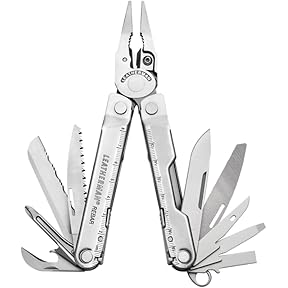
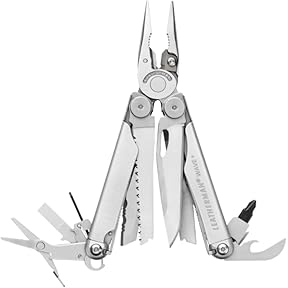
Leatherman has designed and assembled multi-tools in Portland, Oregon since the first model shipped in 1983. The company's founder, Tim Leatherman, spent years trying to sell the concept before REI placed the initial order that launched the brand. Today Leatherman manufactures its tools in Portland using American-sourced stainless steel; the assembly is done by hand, which is why the tools feel balanced in a way that mass-produced alternatives often don't.
The Leatherman lineup has proliferated but the core models remain the most useful. The Wave+ is the most popular for general use — it opens all implements with one hand, the blades lock, and it fits in a belt sheath without being obtrusive. The Surge is heavier and bulkier but the full-size blades are suitable for tasks the Wave+ handles awkwardly. The Rebar is the stripped-down option for buyers who want essential tools in a smaller package.
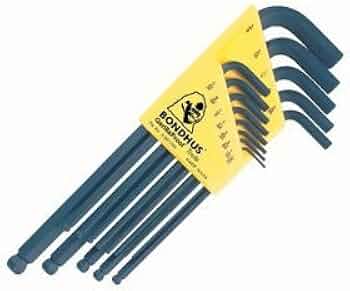
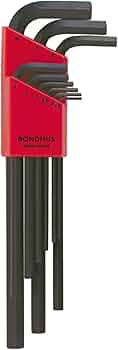
Bondhus has manufactured hex keys and ball-end drivers in Monticello, Minnesota since 1964. Their ball-end hex keys allow driving fasteners at up to 25 degrees off-axis, which matters enormously when working in tight engine bays or furniture assemblies. Bondhus uses a proprietary hardening process called Protanium that makes the tips more resistant to rounding under torque than most competitors. A complete set covers SAE and metric in both short-arm and long-arm formats.
Folding Knives: Kershaw, Benchmade, Zero Tolerance, Buck Knives, and Case Knives
Kershaw Knives has manufactured folding knives in Tualatin, Oregon since 1974. Their SpeedSafe assisted-opening mechanism — a torsion bar that snaps the blade open once the user initiates deployment — is among the most copied designs in the folding knife market. Kershaw's domestic production lines include the Blur, Leek, Chive, and Scallion series, all made in Tualatin using Japanese and American steel. The Blur is the most popular: a 3.4-inch blade in a handle that fits a wide range of hand sizes, with an aluminum frame that keeps weight under 4 ounces.
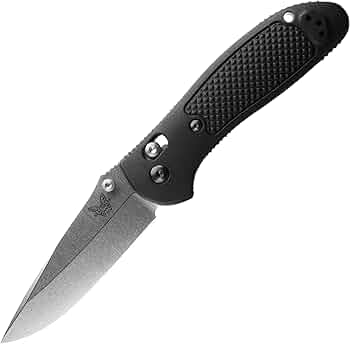
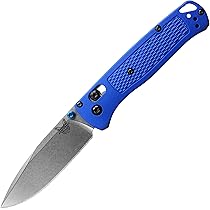
Benchmade makes premium folding knives in Oregon City, Oregon. The AXIS lock mechanism — a spring-loaded crossbar that engages the blade tang — is one of the most secure and smooth-operating knife locks available at any price point. Benchmade knives are precision-machined from steel bar stock, and the tolerances are tight enough that blade play is essentially nonexistent out of the box. The company offers a LifeSharp service: you can send any Benchmade knife back for professional sharpening, adjustment, and cleaning at no charge, indefinitely.
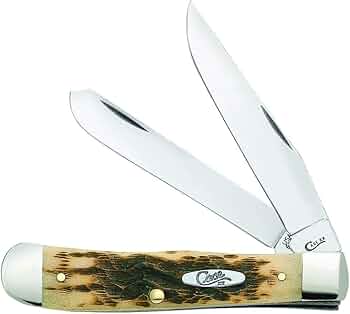
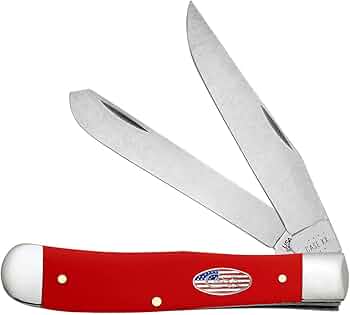
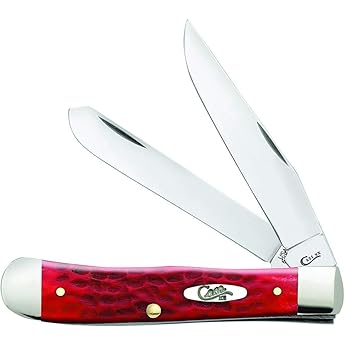
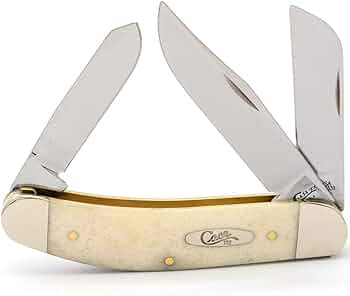
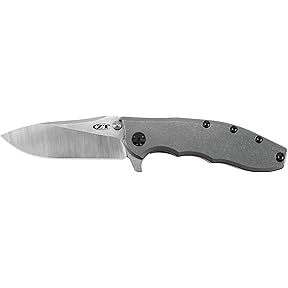
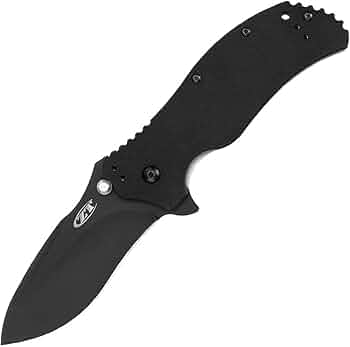
Zero Tolerance, also based in Tualatin under the Kai USA parent company as Kershaw, produces premium tactical folders aimed at more demanding professional and enthusiast users. Their 0640 and 0562 models use CPM-20CV or CPM-S35VN steel with titanium framelock construction — materials and build quality that compete with custom knifemakers at a fraction of the cost. Buck Knives, made in Post Falls, Idaho since 1902, produces the iconic Model 110 folding hunter that has been the benchmark American folding knife for over half a century. Case Knives, made in Bradford, Pennsylvania since 1889, produces traditional slip-joint folders from American steel — the preferred pattern for collectors and buyers who want a non-locking folding knife with genuine American heritage.
Hammers, Pry Bars, and Layout Tools: Vaughan and Swanson Tool
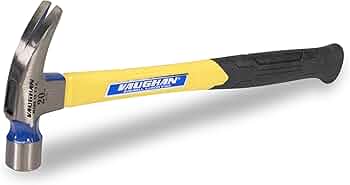
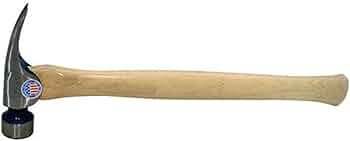
Vaughan Manufacturing has made hammers and pry bars in Hebron, Illinois since 1869. Their California framing hammers, curved-claw finish hammers, and steel pry bars are made from drop-forged steel with fiberglass or wood handles. Vaughan's pry bars — the Super Bar and Mini Bar series — are particularly well-regarded among finish carpenters and contractors who need controlled leverage without damaging adjacent surfaces. The steel is heat-treated for hardness while maintaining enough toughness to absorb shock without cracking.
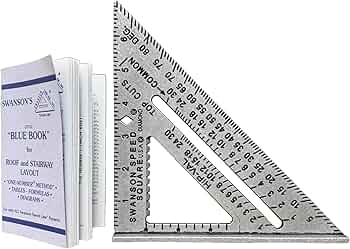
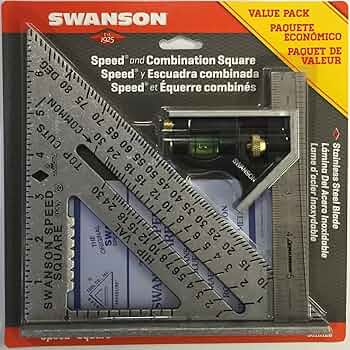
Swanson Tool Company has made layout squares and marking tools in Frankfort, Illinois since 1925. Their Speed Square is the most ubiquitous layout tool in American framing construction — a triangular square that functions as a try square, miter square, and saw guide simultaneously. The aluminum Swanson Speed Square is the de facto standard; the markings are cast into the aluminum rather than printed, so they don't wear off. Speed Squares have been standard issue on American job sites for a century, and the Swanson version is the original.
Axes, Fixed Blades, and Forestry Tools: Council Tool and KA-BAR
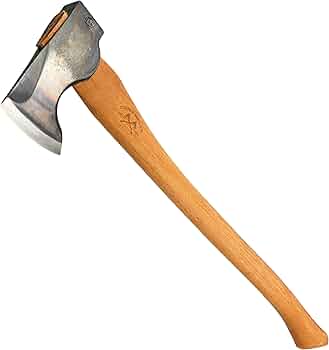
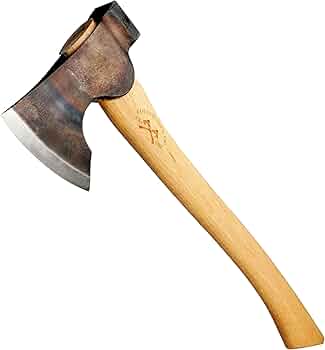
Council Tool has manufactured axes and forestry tools in Lake Waccamaw, North Carolina since 1886. Their axes are drop-forged from 5160 high-carbon steel and fitted with American hickory handles — the same specification used in the axes supplied to the US Forest Service. The Hudson Bay camp axe, Velvicut premium line, and single-bit felling axes cover the range from bushcraft to professional logging applications.
Council Tool's Velvicut line uses a premium steel with a higher Rockwell hardness than the standard working-axe specification, allowing a finer edge with better retention. The hickory handles are fitted by hand and tested for grain orientation — a handle with grain running parallel to the bit will split under hard use; Council Tool's quality control ensures the grain runs correctly. For buyers who want a working axe rather than a collectible, Council Tool is the serious domestic option.
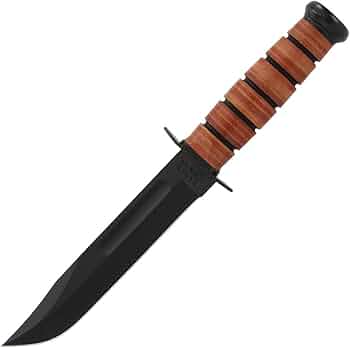
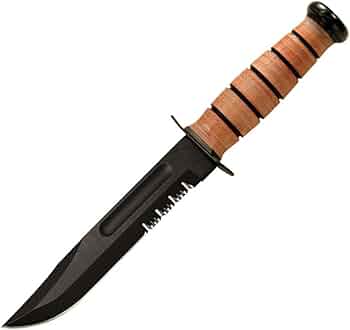
KA-BAR has forged fixed-blade knives in Olean, New York since 1898, and its USMC Fighting/Utility Knife — adopted by the Marine Corps in 1942 — is one of the most recognized military blades in American history. Ka-Bar's fixed-blade lineup, including the Becker series designed by Ethan Becker, is manufactured at the Cutco facility in Olean; buyers should note that Ka-Bar's folding knives are produced overseas.
Garden and Digging Tools: Ames True Temper
Ames True Temper brings together two of America's oldest tool-making traditions: the Ames Company, which began forging shovels in Massachusetts in 1774 (supplying tools to Continental Army soldiers), and True Temper, which developed industrial heat-treating processes for tool steel in Ohio starting in 1808. The combined company manufactures shovels, rakes, hoes, spades, and garden forks in Camp Hill and Carlisle, Pennsylvania.
The True American product line uses American-made steel heads and handles from North American hickory and ash. The heat-treating process applied to True Temper steel heads creates a hardness balance that allows edge retention after contact with rocks while maintaining enough toughness to absorb impact without cracking — a combination cheaper imported tools often fail to achieve. For gardeners who've broken a spade head on rocky ground, the difference is noticeable.
Ames True Temper covers the full range of long-handled garden tools: round and square point shovels, garden spades, transplanting spades, drain spades, rakes, hoes, cultivators, and spading forks. The company produces millions of tools annually from Pennsylvania facilities that have been producing domestically for over two centuries.
Professional-Grade: Snap-on, Wright Tool, Gorilla Glue, Zippo, and Maglite
Snap-on makes professional hand tools in multiple US facilities including Kenosha, Wisconsin. Their prices are significantly higher than Channellock or Klein, and the quality difference is real but incremental for most users — Snap-on's advantage is consistency at scale and the lifetime warranty that the company backs aggressively. For professional mechanics who use tools eight hours a day, the warranty and ergonomics justify the premium. For occasional use, Wright Tool or Bondhus deliver comparable performance at lower price points.
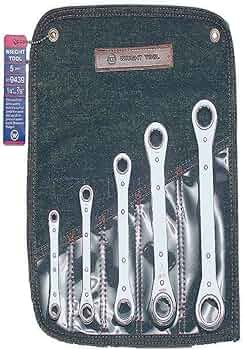
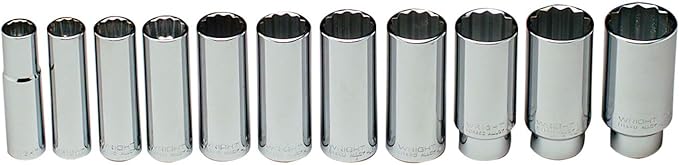
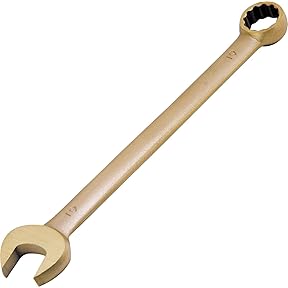
Wright Tool, made in Barberton, Ohio, produces combination wrenches and socket sets that compete directly with Snap-on on quality at a meaningfully lower price. Their 12-point combination wrenches and metric socket sets are well-regarded by mechanics who have used both. The steel alloy and heat treatment are comparable to top-tier competitors.
Gorilla Glue Company formulates and packages adhesives in Cincinnati, Ohio. Their polyurethane glue expands as it cures, filling gaps in porous materials — wood, stone, ceramic, and metal. The expansion characteristic is both a feature (it fills voids) and a limitation (it can push joints apart if clamping pressure is insufficient). Gorilla Wood Glue and Gorilla Super Glue are the most practically useful products for workshop and household repair use.
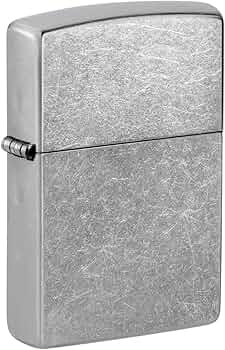
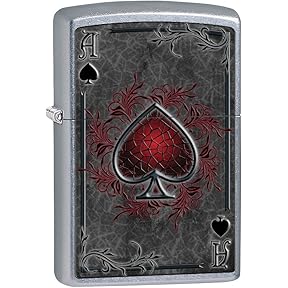
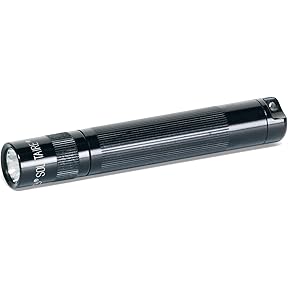
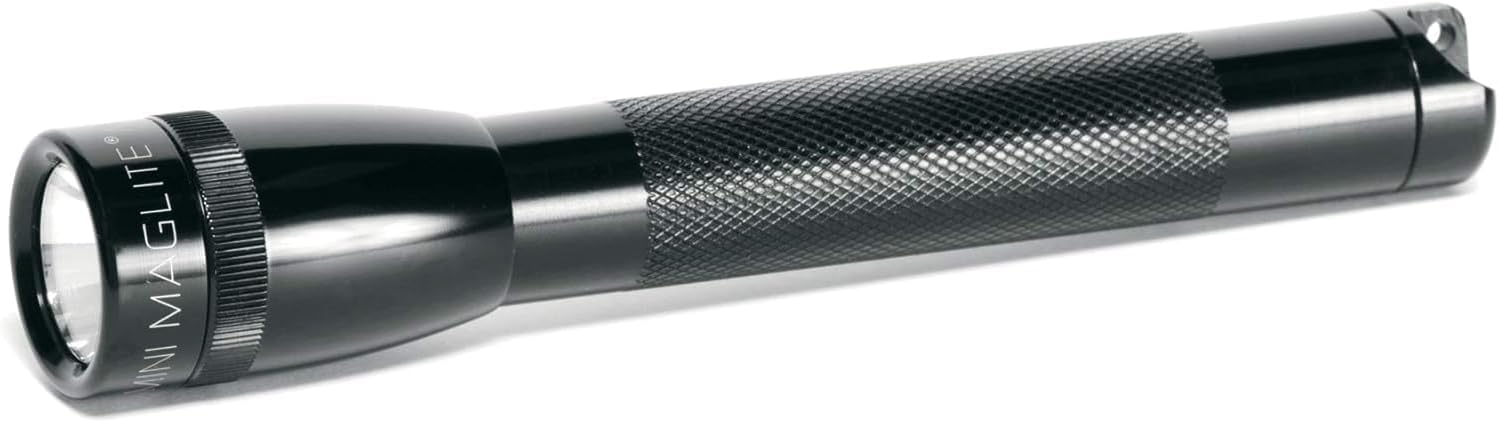
Zippo lighters and hand warmers are made in Bradford, Pennsylvania, where the company has operated since 1932. The hand warmers run on lighter fluid and provide genuine warmth for several hours — a practical tool for outdoor workers and hunters. Maglite flashlights are made in Ontario, California; the aluminum bodies are machined domestically and the LED upgrade kits allow older incandescent Maglites to be brought current.

Gear Ties, Flashlights, and Everyday Carry: Nite Ize
Nite Ize designs and manufactures a range of everyday carry and organization products at their facility in Boulder, Colorado. Their Gear Tie reusable rubber twist ties — a simple wire-core rubber rod that bends and holds any shape — are one of the most copied product concepts in the organization category, with the original Boulder-made version consistently outperforming imitations in rubber quality and wire retention. The Gear Tie comes in lengths from 3 to 24 inches and is used by mechanics, cyclists, kitchen workers, and cable managers for its reusability and grip strength.
Nite Ize's S-Biner series of dual-gate aluminum carabiners are made in Boulder and cover the range from keyring size to load-bearing outdoor clips. The SpotLit LED clip lights are a product the company has refined through multiple generations — a small, weatherproof LED on a carabiner clip that functions as a visibility marker for bags, dog collars, and outdoor gear. Nite Ize's products occupy the intersection of hardware utility and everyday carry, and the Boulder manufacturing means the quality control on materials and construction tolerances is under domestic oversight.
Browse All Tools & Hardware Products
See all 602 verified American-made tools & hardware products in our catalog.
Frequently Asked Questions
Are Channellock pliers really made in the USA?
Yes. Channellock manufactures all of its pliers in Meadville, Pennsylvania. The steel is sourced domestically and the full manufacturing process — forging, machining, heat treating, and assembly — takes place at the Meadville facility.
Which Leatherman model should I buy?
The Wave+ is the most versatile choice for general use — it opens with one hand, all blades lock, and it's compact enough to carry daily. If you want a larger tool with more robust blades, the Surge is worth the extra size. The Rebar is the best option if you want a compact, no-frills multi-tool at a lower price point.
What's special about Estwing's one-piece construction?
Estwing hammers are forged from a single piece of steel, eliminating the handle joint that fails on conventional hammers. The handle is wrapped with a shock-reducing grip. The practical result is that an Estwing simply doesn't break under normal use — there's no wood to split, no fiberglass to shatter, and no head to loosen.
What's the difference between Kershaw and Benchmade knives?
Kershaw makes affordable to mid-range folding knives with SpeedSafe assisted opening, produced in Tualatin, Oregon. Benchmade makes premium folders in Oregon City, Oregon with tighter tolerances, higher-end steel options, and the AXIS lock mechanism. Kershaw is the practical everyday-carry value; Benchmade is the step up for buyers who want a precision-built knife at a higher price point. Both offer the LifeSharp or equivalent sharpening service.
Are Council Tool axes better than imported axes?
Council Tool axes are drop-forged from 5160 high-carbon steel in North Carolina with American hickory handles — the same specification used by the US Forest Service. Comparable-priced imported axes typically use lower-grade steel and mass-produced handles with less attention to grain orientation. For serious chopping use, the quality difference is real and justifies the price premium.
Can you use Klein Tools if you're not an electrician?
Yes. While Klein Tools is built for professional electricians and telecom workers, their hand tools are functional for any general construction, household repair, or workshop use. The precision and durability of Klein screwdrivers, pliers, and lineman's tools make them excellent choices for DIY use. Many DIYers buy Klein specifically because the tools don't strip screw heads or develop loose joints like cheaper alternatives.
Is a Leatherman necessary if you have regular tools?
A Leatherman is justifiable if you want a single compact tool for travel, EDC (everyday carry), camping, or field work where carrying a full toolbox isn't practical. The Wave+ or Surge are genuinely useful; most owners keep using them years after purchase. If you have full access to a proper tool set, a Leatherman becomes a convenience rather than a necessity.
Why are Snap-on tools so expensive?
Snap-on tools cost more because of consistent quality control, the lifetime warranty backed by mobile distributors, ergonomic design refined through decades of professional feedback, and availability through a direct-sales model. For a professional mechanic using tools eight hours daily, the warranty and consistency justify the premium. For casual use, Wright Tool or Bondhus deliver comparable quality at lower prices.
Are Gorilla Glue and Gorilla Super Glue both made in Ohio?
Yes. Gorilla Glue Company formulates and packages both polyurethane glue and cyanoacrylate (Super Glue) products in Cincinnati, Ohio. The two products serve different purposes: polyurethane glue fills gaps and works well on porous materials; Super Glue creates fast bonds on non-porous surfaces. Neither should be used interchangeably — the choice depends on the materials being joined.
Which American multi-tool is best for backpacking?
Leatherman's Wave+ or Rebar are the top choices for backpacking. Both are compact enough to clip to a belt loop and light enough that you'll actually carry them. The Wave+ (3.6 oz) is the sweet spot between features and weight. For ultralight backpacking where every ounce counts, the smaller Rebar (2.5 oz) drops some tools but maintains the essential ones.
What's the best American-made flashlight?
Maglite flashlights made in Ontario, California are the most recognized American-made option. The aluminum bodies are durable and the LED upgrades allow older incandescent models to be brought current. If you want a flashlight with genuine heritage, a Maglite purchased today was made using the same methods and materials as one purchased decades ago.
Do I need a Benchmade knife if Kershaw is cheaper?
If price is the primary concern, Kershaw delivers solid performance at half the cost. If you want a precision knife with tighter tolerances, higher-end steel options, and don't mind paying for the difference, Benchmade is worth it. The reality is that most users don't push a folding knife hard enough to notice the quality gap. A Kershaw serves 90% of carry scenarios perfectly well.
What's the difference between Wright Tool and Snap-on wrenches?
Both are made in the USA with comparable quality — Wright Tool in Ohio, Snap-on in Wisconsin. The practical difference is price (Wright Tool is typically 40-50% less) and the warranty model (Snap-on's lifetime warranty is more comprehensive). For a professional mechanic, Snap-on's warranty and ergonomic refinement may justify the premium. For home garage use, Wright Tool wrenches perform identically at a better price.
Are Bondhus ball-end hex keys worth the premium?
Bondhus ball-end hex keys allow driving fasteners at up to 25 degrees off-axis — useful in tight engine bays, machinery assemblies, or furniture. If your work rarely involves tight angles, standard hex keys are fine. If you frequently work in confined spaces, the ball-end capability becomes genuinely valuable and the Protanium hardening treatment resists rounding better than most competitors.
Why choose American-made pliers over imported ones?
American-made pliers from Channellock and Klein use heat-treated steel with consistent quality control, resulting in tools that don't develop loose joints or stripped fastener-gripping surfaces. Imported pliers at the same price point often use lower-grade steel and looser tolerances. The difference becomes apparent within a year or two of regular use when imported tools start developing play in the joints.
Can you sharpen an Estwing hammer that's dull?
Yes. Unlike wooden-handled hammers that can't be sharpened without damaging the wood, an Estwing's steel face can be touched up with a file. In practice, most homeowners use their hammers for nailing and light demolition where a dull face is fine. For finish work where hammer face finish matters, professional framers occasionally touch up with a file, but this isn't a common maintenance need.
Should I buy Cutco knives if I already have good kitchen knives?
Cutco's value proposition is the Forever Guarantee and the direct sales model offering customization. If you already have good kitchen knives, a Cutco set might be redundant. The guarantee becomes compelling if you want the certainty that any knife can be sharpened and replaced indefinitely — which appeals to buyers who keep tools for decades or households with heavy use.